


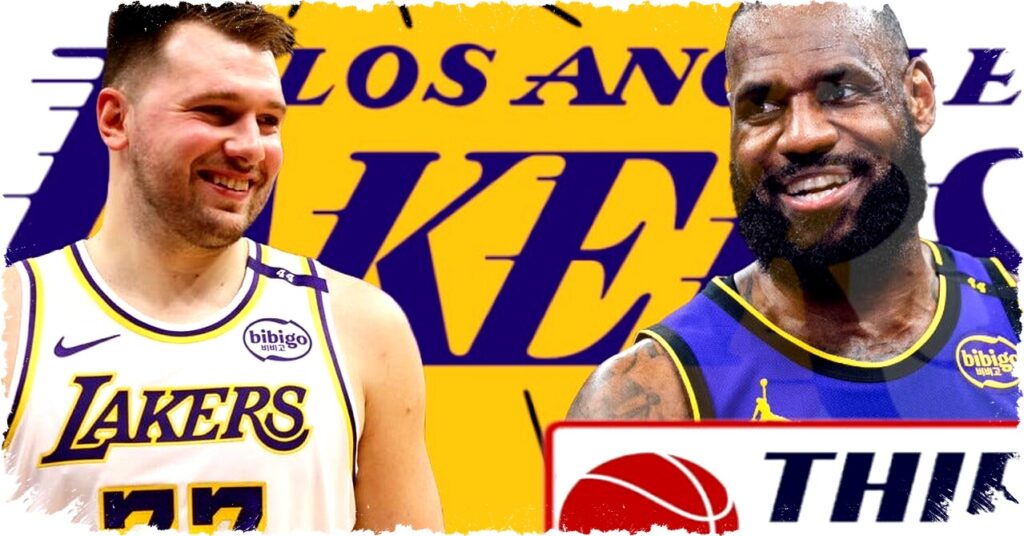
The Los Angeles Lakers headline the Western Conference with their powerful start this season, yet their recent trade deadline activity revealed a cautious approach rather than aggressive roster upgrades. Despite a 34-22 record positioning them in a crowded race for third place, the team notably failed to address significant defensive gaps, especially in rim protection and point-of-attack defense. Their lack of a positive net rating remains a key concern, emphasizing that playoff aspirations could be hampered without strategic reinforcements.
The only trade the Lakers executed involved acquiring sharpshooter Luke Kennard from the Atlanta Hawks in exchange for Gabe Vincent and a second-round pick. While Kennard adds scoring depth, his role may be limited in playoff rotations that heavily rely on high-minute players like Luka Doncic and Austin Reaves. This move appeared more symbolic than transformative, reflecting the Lakers’ broader strategy of patience amid an already potent offense.
Defensive Deficiencies and Playoff Challenges
Lakers’ early season success masked underlying defensive weaknesses that critics argue prevent the team from being a legitimate title contender. The frontcourt lacks rim protection, and the perimeter defense is vulnerable, creating matchup problems against elite offenses. Austin Reaves has emerged as an All-Star-caliber talent, providing offensive versatility and playmaking akin to past complements of Doncic. Meanwhile, head coach JJ Redick has optimized the team’s potential, with his floor-raising tactics partly mitigating roster deficiencies.
However, without significant improvements to the defensive unit, sustaining deep playoff runs remains difficult. The trade deadline’s quietness suggests management believes substantial upgrades won’t materialize through midseason deals but instead will come in the summer.
Cap Space Strategy and Asset Management
The Lakers’ limited trade deadline activity coincides with deliberate asset management aimed at preserving salary cap flexibility for the upcoming offseason. Currently, the team holds only one first-round and zero second-round picks available for trade. They depleted second-round assets in prior transactions, such as acquiring Dorian Finney-Smith and moving Jalen Hood-Schifino. This limited currency constrained their ability to engage in blockbuster deadline trades.
The front office’s long-term vision prioritizes financial maneuverability to attract or retain impactful players who can maximize Luka Doncic’s prime years. The star guard’s arrival heralded a new era, but the existing roster remains ill-equipped to surround him with the necessary complementary talent. Maintaining cap space affords the Lakers the opportunity to pursue high-impact free agents or orchestrate meaningful sign-and-trade deals during the summer.
Outlook and Upcoming Strategic Focus
With the trade deadline behind them, the Lakers now turn toward offseason planning that leverages their cap space advantage. The team’s approach aligns with a larger league trend emphasizing patience and flexibility during midseason windows to ensure a stronger push in free agency. Analysts and insiders expect the Lakers to be highly active in pursuing roster retooling once the regular season concludes.
In parallel, platforms specializing in salary cap and transaction analysis will intensify coverage in the coming months. Detailed player contract evaluations and team offseason previews will shed light on the Lakers’ potential moves, offering fans and observers deeper insights into the front office’s strategy. These resources aim to clarify market dynamics, free agency valuations, and the salary cap landscape that the Lakers must navigate.
Key Points of Lakers’ Trade Deadline and Cap Space Plans
- Lakers ended the trade period with a single deal acquiring Luke Kennard for Gabe Vincent and a second-round pick.
- Defensive issues, especially rim protection, were left unaddressed at the deadline.
- Limited draft assets reduced flexibility to engage in larger trades.
- Maintaining cap space is the priority to build a roster around Luka Doncic’s prime.
- Postseason and summer are expected to bring aggressive moves enabled by salary cap maneuvering.
This measured approach highlights the complexities of balancing immediate competitiveness against long-term roster construction. While the Lakers may appear dormant in the trade market, their focus on cap flexibility signals intent to reshape the team fundamentally in pursuit of championship contention.