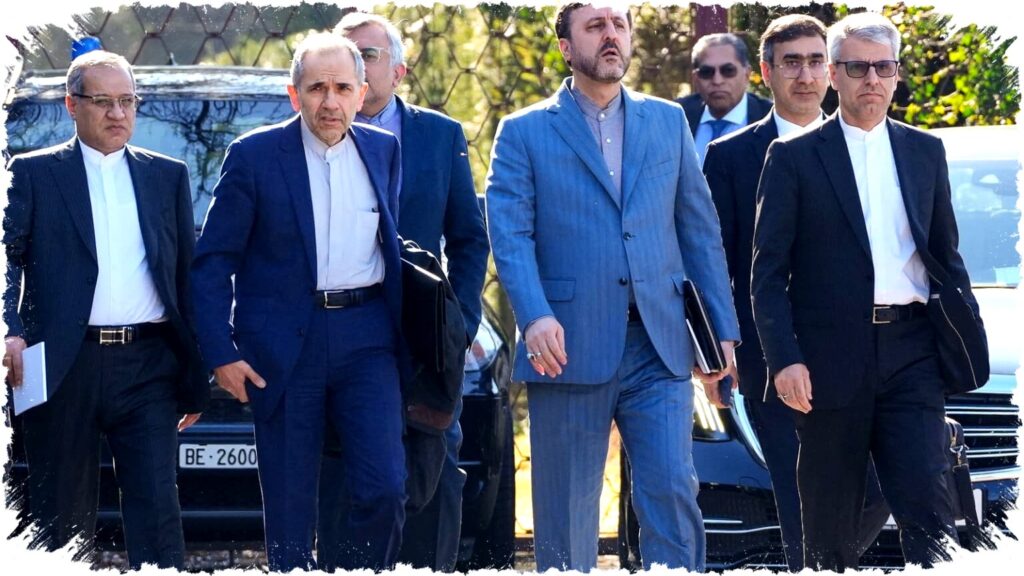
The latest round of nuclear talks between the United States and Iran concluded without an agreement, although both sides described the discussions as the most intense to date. Iranian Foreign Minister Seyed Abbas Araghchi confirmed that significant progress was made but emphasized that further negotiations are planned to resolve remaining issues.
Discussions took place over critical matters such as the termination of U.S. sanctions on Iran and nuclear-related commitments. Oman’s Foreign Minister Badr Al Busaidi, serving as the mediator, highlighted that the talks in Geneva advanced substantially and scheduled follow-up technical meetings in Vienna for the upcoming week.
The U.S. delegation was led by Special Envoy Steve Witkoff and Jared Kushner, President Donald Trump’s son-in-law and advisor. Iran’s team was headed by Araghchi. Despite the progress, a full deal remained elusive, particularly due to differing stances on the dismantling of Iran’s nuclear infrastructure.
Key U.S. Demands and Iranian Objections
According to reports, the U.S. team demanded that Iran destroy its three main nuclear sites located in Fordow, Natanz, and Isfahan. The U.S. also requested that Iran hand over all remaining enriched uranium. Additionally, American negotiators insisted that any nuclear deal should have a permanent status without sunset clauses.
Iran rejected these terms, defending its right to uranium enrichment as essential for energy production. Tehran’s refusal to accept an unconditional nuclear weapons ban remains a significant sticking point. President Trump underscored this in his recent State of the Union address, stating the U.S. had not yet heard Iran explicitly commit to never developing nuclear weapons.
Expansion Beyond Nuclear Issues
The U.S. also sought to limit Iran’s ballistic missile program and reduce its support for regional armed groups. Secretary of State Marco Rubio described Iran’s unwillingness to discuss intercontinental ballistic missiles as a major obstacle to progress.
U.S. demands extended to Iran ceasing repression of domestic protesters amid widespread demonstrations triggered by economic hardship exacerbated by sanctions. Tehran insisted on sanction relief as a prerequisite for further concessions.
Risks of Escalation and Regional Stability
Analysts warn of the potential for military conflict if diplomatic efforts collapse. Michael Hanna, director at the International Crisis Group, cautioned that without a breakthrough, the risk of escalatory military clashes remains high. Unresolved tensions threaten to destabilize the broader Middle East, with possible repercussions for global oil markets.
Impact on Oil Markets
Current geopolitical anxieties have kept oil prices volatile. West Texas Intermediate futures recently declined slightly to $64.97 per barrel, while Brent crude fell to $70.54 per barrel. Market observers anticipate that any U.S. military action limited to targeted strikes, avoiding energy infrastructure, might result in only a temporary surge in prices.
However, sustained conflict or broader retaliation from Iran could keep oil supplies constrained and prices elevated. Traders will closely monitor upcoming OPEC+ decisions on oil output adjustments, which could influence the supply outlook and prices.
Next Steps in the Negotiations
Mediator Badr Al Busaidi plans to engage U.S. officials in Washington to discuss the pathway forward. The two sides are expected to continue detailed talks in Vienna to address technical aspects. Despite no immediate deal, both parties remain engaged, indicating ongoing dialogue aimed at preventing escalation and resolving core issues logically and peacefully.
Read more at: www.cnbc.com