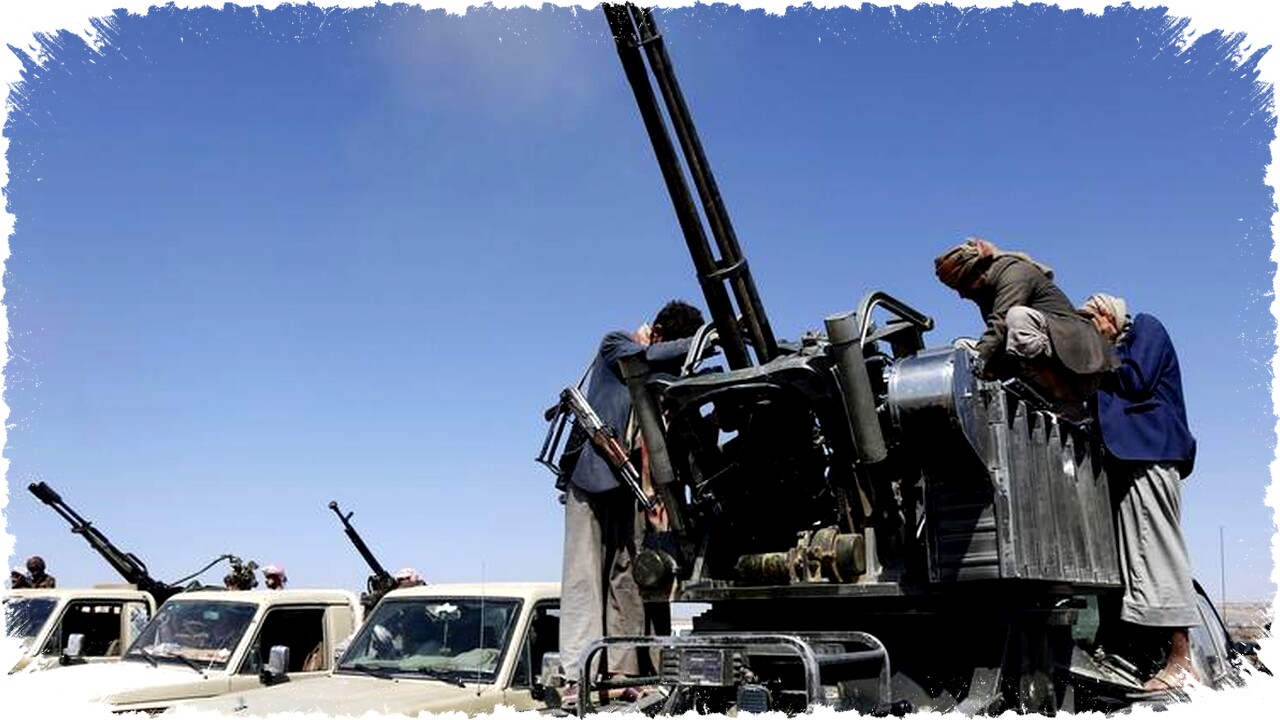
The Iran-backed Houthi militia in Yemen has openly declared its readiness to engage in a potential conflict between the United States and Iran. Recently, members of Ansar Allah’s political bureau warned the U.S. against initiating military aggression toward Iran, emphasizing that such an attack would be considered a war in which they are prepared to participate. This stance reflects the Houthis’ alignment with the Iran-led "Axis of Resistance," a coalition that also includes Hamas, Hezbollah, and Shiite militias in Iraq, all of which regard the U.S. and Israel as adversaries.
In recent weeks, the Houthis have increased military activity within Yemen. Analysts have noted the redistribution of fighters and missile launchers, along with a show of heightened militancy. These movements coincide with tighter internal security measures, increased surveillance, and arrests among officials within Houthi-controlled areas. Such actions suggest concerns over becoming targets in the event of regional escalation, indicating preparations both for active conflict participation and defensive survival.
Entrenched Conflict and Territorial Control


The ongoing Yemen war traces back to the Saudi-led coalition’s intervention in 2015, launched to support the internationally recognized government against the Houthis after their 2014 insurgency. The United Nations reports the conflict has resulted in over 150,000 fatalities to date. Despite a 2022 truce that largely paused direct fighting, Yemen remains divided, with the Houthis controlling the north, west, and central regions including the capital, Sanaa. The internationally recognized government and southern separatist factions hold the south and east, with the government operating from Riyadh due to internal fragmentation caused by secessionist movements.
Houthis’ Military Capabilities and Potential Actions
The Houthis have demonstrated independent weapons production capabilities, assembling a formidable arsenal of weapons, drones, and missiles from parts delivered via complex smuggling routes. Despite repeated U.S. and Israeli airstrikes, their long-range strike capacity remains intact. Analysts warn that in a conflict scenario, the Houthis could target U.S. military bases in Gulf countries and strategic maritime routes in the Red Sea and Gulf of Aden. Attacks on commercial shipping and Israeli targets, including Tel Aviv, are also plausible, representing both symbolic and strategic actions intended to support Iran and divert attention away from Tehran.
The group’s designation as a terrorist organization by the U.S. earlier this year reflects the threat they pose beyond Yemen’s borders. However, military responses by the U.S. and Israel to Houthi attacks are expected to remain limited and temporary. Historical incidents reveal reliance by the Houthis on the U.S. desire to avoid prolonged military engagement in Yemen, balancing assertive attacks with caution.
Humanitarian Implications for Yemen’s Population
Yemenis bear the heavy toll of protracted conflict, political instability, and widespread hunger. Many civilians fear that a further escalation involving the Houthis in a U.S.-Iran confrontation would exacerbate the already dire humanitarian situation. Reports from local residents highlight ongoing famine conditions and deteriorating livelihoods caused by currency instability, irregular public salary payments, and stalled political negotiations. Human rights groups have noted increased abuses by the Houthis during times of regional distraction, signaling potential vulnerabilities for civilians amid heightened conflict.
Summary of Key Concerns:
- Houthis’ declared readiness to support Iran against U.S. military action.
- Increased military mobilization and internal security measures in Houthi-controlled Yemen.
- Independent drone and missile capabilities sustained despite airstrikes.
- Potential attacks on U.S. and Israeli targets, including strategic shipping lanes.
- Yemen’s humanitarian crisis worsening due to heightened tensions.
As regional tensions between the U.S. and Iran persist, the Houthis’ positioning threatens to further complicate Yemen’s fragile socio-political landscape. The group’s readiness to engage in broader conflict raises serious concerns about renewed violence and its devastating impacts on an already exhausted population.
Read more at: www.dw.com