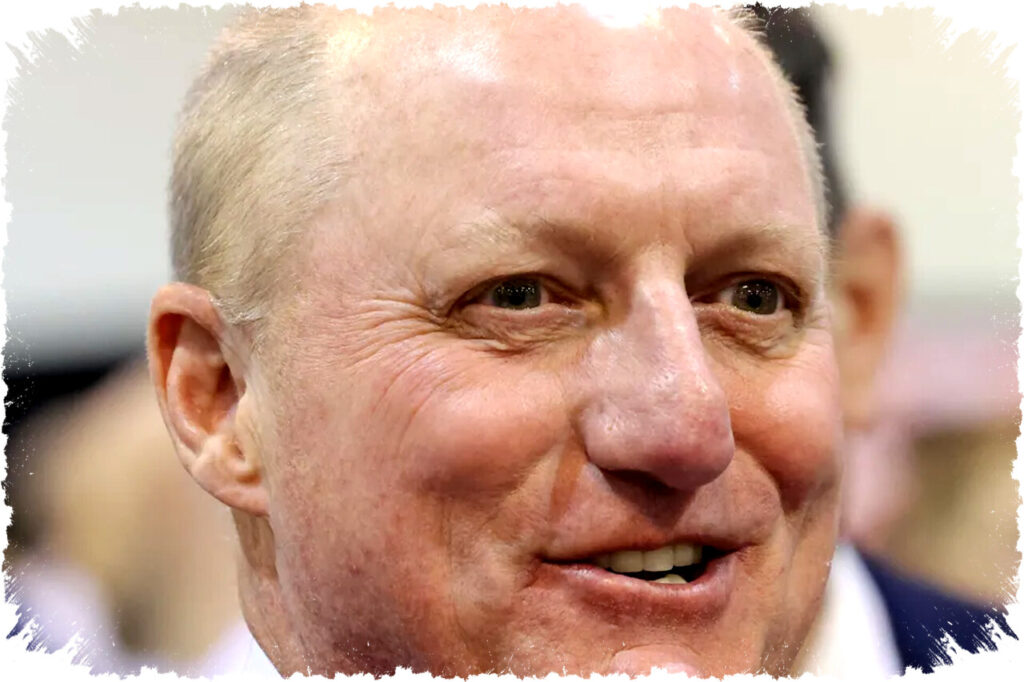
Warren Buffett’s appointed successor, Greg Abel, has published his inaugural letter to Berkshire Hathaway shareholders. The letter coincides with the company’s announcement of a $4.5 billion write-down on its investments in Kraft Heinz and Occidental Petroleum. Abel’s first communication as CEO is a critical moment for investors eager to gauge his leadership approach.
Greg Abel officially assumed the CEO role in January, marking a significant leadership transition at Berkshire Hathaway. Despite the change at the helm, Abel and Buffett have assured shareholders that the company’s longstanding operating principles will endure.
Commitment to Berkshire’s Culture and Legacy
In his letter, Abel starts by recognizing Warren Buffett’s extraordinary tenure and influence. He vowed to uphold Berkshire’s culture, which prioritizes trust, integrity, and a disciplined investment philosophy that has been effective for more than sixty years. Abel stated, “I am honored by our board’s decision to appoint me CEO of Berkshire and humbled to succeed Warren as I write my first annual letter to you. Warren is obviously a very hard act to follow.”
Warren Buffett remains chairman and maintains his position as the largest shareholder, continuing to provide strategic guidance. However, Abel now holds the responsibility for composing the annual shareholder letters, which have historically been a much-anticipated source of insight for investors worldwide.
Shareholder Meeting and Organizational Updates
Abel disclosed a few changes to the agenda of the upcoming May shareholder meeting. He will field questions alongside Vice Chairman Ajit Jain during the first Q&A session. A second panel will feature Abel with Katie Farmer, CEO of BNSF, and Adam Johnson, CEO of NetJets and overseer of Berkshire’s consumer and retail operations. These sessions indicate a collaborative style and highlight key executives within Berkshire’s complex structure.
Initial administrative changes include Abel’s filing in January that hinted at a potential sale of some or all of Berkshire’s 325 million Kraft Heinz shares. This move seems consistent with Buffett’s prior public remarks expressing regret over the premium paid during the Kraft-Heinz merger and skepticism about the company’s proposed split strategy. These signals are closely scrutinized by investors because Berkshire’s portfolio decisions often influence broader market trends.
Berkshire Hathaway’s Diverse Business Empire
Berkshire’s strength lies in its vast array of wholly owned businesses and major equity stakes. The conglomerate’s portfolio includes leading insurers like Geico, the BNSF railway, utility companies, and a variety of manufacturing and retail entities. Iconic consumer brands such as Dairy Queen and See’s Candy are part of Berkshire’s holdings. Additionally, the firm controls key industrial suppliers like Precision Castparts, Lubrizol, and Iscar Metalworking.
Since 2018, Abel has been responsible for managing Berkshire’s non-insurance businesses. His familiarity with these divisions has earned him respect from executives who oversee them. This background provides a solid foundation for his leadership moving forward.
Outlook on Future Leadership at Berkshire
The transition to Abel’s leadership comes with an expectation to balance continuity and prudent evolution. While no dramatic operational shifts are anticipated, investors will be watching how Abel navigates challenges and opportunities within a diverse, multifaceted conglomerate. His first letter sets the tone by emphasizing the continuation of Berkshire’s core values and strategic discipline.
Going forward, shareholders can expect Abel to maintain Berkshire Hathaway’s reputation for long-term value creation, carefully managing its extensive portfolio with the same rigor that defined Buffett’s era.