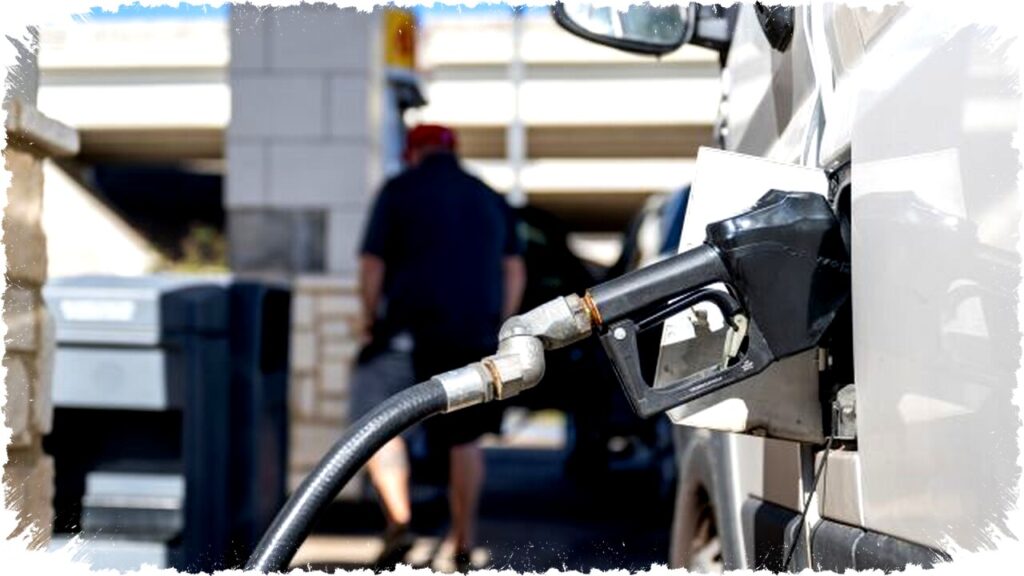
The ongoing conflict with Iran is causing a rapid increase in gasoline prices across the United States. Currently, the average price for a gallon of regular gas hovers just below $3, marking a steady rise of six cents over the past week.
This surge is partly due to the largest single-day jump in global oil prices in years. Wholesale gasoline prices jumped about 4%, while diesel futures soared nearly 12%, signaling more expensive fuel for consumers soon.
Daily Price Increases and Market Reactions
Oil analyst Tom Kloza, an adviser to Gulf Oil, predicts gas prices could rise between 5 to 10 cents daily for the near future. Some wholesalers have already raised wholesale gasoline prices by as much as 25 cents per gallon, reflecting fears of ongoing price spikes.
These increases come earlier than the usual seasonal price climb, which typically peaks around mid-April. The war with Iran has accelerated this trend, potentially bringing steep price hikes in a matter of days.
Oil Supply and Strait of Hormuz Challenges
The Strait of Hormuz plays a crucial role in global oil supply, funneling about 20% of the world’s oil. Currently, traffic through this vital shipping lane has stopped, as Iran has fired on vessels in the area, significantly disrupting oil flows.
Even if Iran does not completely block the strait, shipping companies and insurers are limiting operations and war-risk coverage. Danish shipping firm Maersk suspended vessel crossings, and insurers like Skuld are terminating war-risk policies, which could drive up shipping costs dramatically.
Regional Attacks on Oil Infrastructure
The conflict has already impacted key oil facilities. Iranian drones caused a fire at Saudi Arabia’s Ras Tanura oil refinery, forcing a temporary suspension of production as a precaution.
In addition, QatarEnergy halted liquefied natural gas (LNG) production after an Iranian attack on a facility in Ras Laffan. Kuwait also reported damage to a major refinery from falling shrapnel amid rising tensions.
Implications for Global and Domestic Markets
European natural gas prices surged over 43% amid these disruptions, although experts anticipate that LNG prices will not reach 2022’s extreme highs due to oversupply in Europe. China remains Iran’s biggest crude oil customer, but if forced to source oil elsewhere, global fuel prices could climb further.
Domestically, the diesel price spike will impact transportation costs. Trucking and rail companies may impose fuel surcharges, driving up the prices of consumer goods and affecting industries like agriculture during critical planting seasons.
Households also face higher heating costs, especially in the Northeast, where heating oil prices closely track diesel fuel costs. Higher energy expenses contribute to broader affordability concerns for millions of Americans.
Political and Economic Considerations
Rising fuel prices threaten to exacerbate the cost of living at a sensitive moment politically. Gas price hikes could influence voter sentiment ahead of upcoming elections, as economic affordability remains a top priority for many citizens.
Even former President Donald Trump acknowledges the political importance of fuel costs, having recently highlighted low gas prices in a public address before prices began its current rise.
In summary, the conflict with Iran is putting immediate upward pressure on fuel costs due to disruptions in supply chains, shipping risks, and attacks on oil infrastructure. Consumers should prepare for gradually rising gasoline and energy expenses, with potential impacts rippling through transportation, heating, and goods pricing sectors.
Read more at: www.cnn.com