


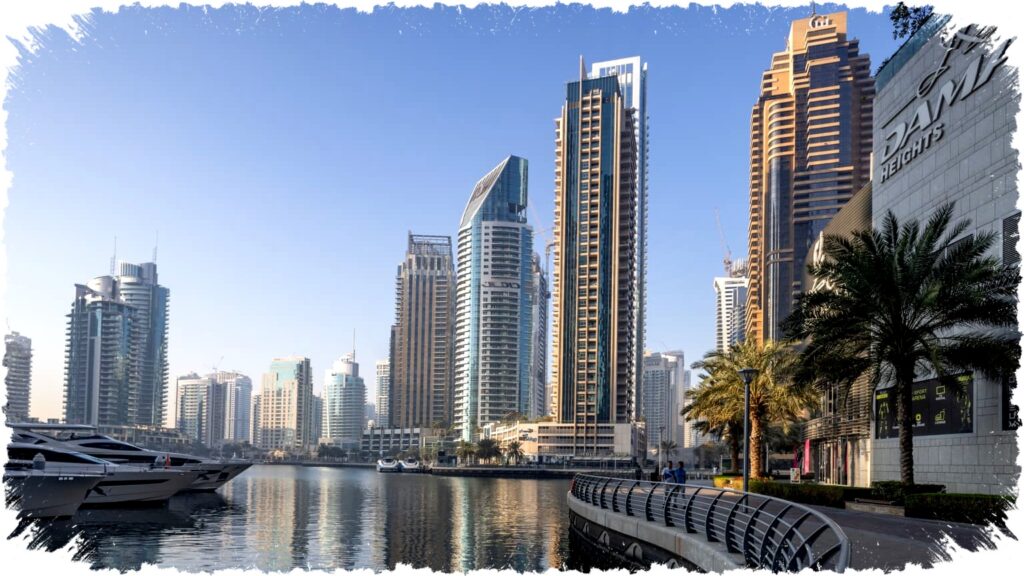
The United Arab Emirates is weighing a significant move to freeze Iranian assets held within its borders, as tensions in the Middle East continue to escalate. This potential action aims to sever Tehran’s access to billions of dollars and disrupt its ability to engage in global trade amid an economic downturn and heightened military conflicts involving the U.S. and Israel.
Sources familiar with the discussions told the Wall Street Journal that Emirati authorities have already warned Iranian officials about the possibility of freezing their funds. However, no definitive decision or timeline has been announced as of now, reflecting the delicate balance the UAE maintains between its strategic partnerships and regional security concerns.
Strategic Balancing Act
For years, the UAE has sought to maintain a complex balancing act between its longstanding alliance with the United States and its geographical proximity to Iran. The recent Iranian missile and drone strikes targeting the UAE, including infrastructure damage at Dubai International Airport and major hotels, appear to have triggered a reconsideration of this policy.
Dubai’s role as a major financial hub has historically facilitated Iranian businesses and individuals in circumventing Western sanctions. According to research by the U.S.-based Atlantic Council, Dubai-based shell companies and informal currency exchange houses have enabled Iran to sell oil abroad and funnel the proceeds toward military and proxy operations.
Financial Networks under Scrutiny
The UAE’s financial zones have harbored numerous shell companies that mask the origins of Iranian oil and commodities, while informal currency exchange networks help move vast sums outside conventional banking oversight. These mechanisms have long been a focus of U.S. Treasury sanctions against UAE entities, but enforcement has often been criticized as insufficient.
In response to mounting U.S. pressure and heightened regional conflict, Emirati officials are now reportedly considering a broad financial crackdown. Measures under review include targeted freezing of assets linked to Iranian shell companies and stringent controls on local currency exchanges that play a central role in Iran’s financial infrastructure.
Impact on Regional Stability
Iran’s retaliatory missile and drone attacks on the UAE represent more than isolated incidents; they jeopardize the stability and business confidence that Dubai has cultivated over decades. The expatriate business community and international investors are closely monitoring how Dubai’s leadership will respond, especially as it aims to project resilience in a frequently volatile neighborhood.
Despite the military aggression faced, UAE officials recently reaffirmed their commitment to a defensive stance. The Ministry of Foreign Affairs emphasized adherence to a policy of de-escalation, good neighborliness, and respect for the United Nations Charter, signaling a reluctance to engage in active military conflict.
Possible Consequences and Future Paths
If the UAE proceeds with freezing Iranian assets, it could severely limit Tehran’s access to foreign currency and disrupt critical funding channels for its military and proxy activities. Such a move would align with U.S. efforts to tighten economic sanctions but risks further heightening tensions in the Gulf.
List of potential UAE countermeasures being evaluated:
- Freezing assets held by UAE-based shell companies linked to Iran
- Enhancing regulations and crackdowns on informal currency exchange houses
- Increasing financial oversight to prevent sanction evasion
- Maintaining a defensive, non-military posture toward Iran
The situation remains fluid as the UAE weighs the risks and benefits of these financial sanctions amid a rapidly changing security environment. How the country balances its economic interests and geopolitical pressures will be crucial for both regional stability and its own role as a financial hub.
Read more at: www.cnbc.com