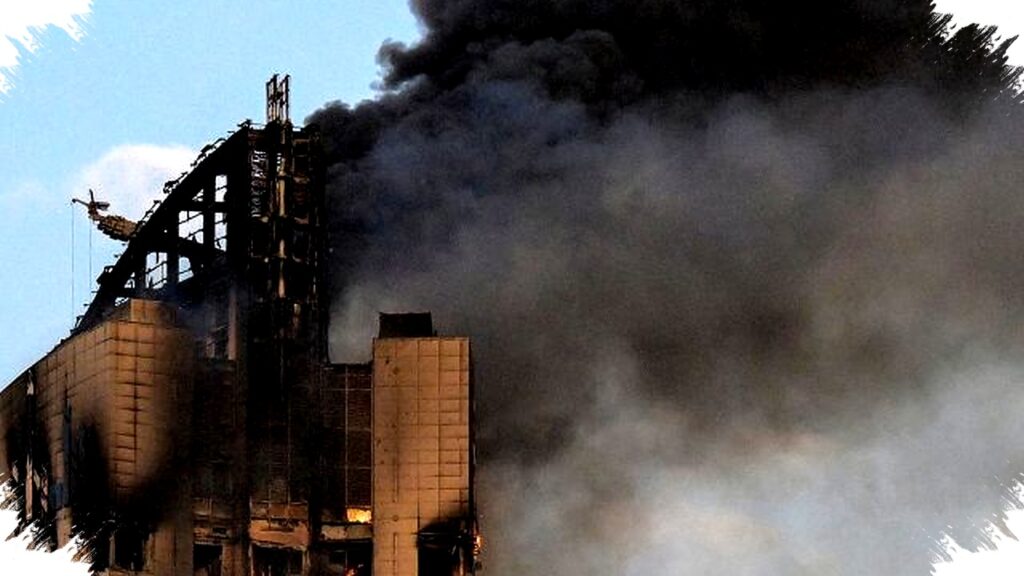
Iran has vowed severe retaliation after the killing of its top national security official in an Israeli strike. The assassination of Ali Larijani marks a significant escalation in the ongoing conflict between Iran and Israel.
Larijani was a prominent figure in Tehran, widely known as a skilled negotiator and an influential decision-maker. His death leaves a critical vacancy in Iran’s security leadership.
Impact of Ali Larijani’s Death
Ali Larijani was considered a centrist and pragmatic force within the Iranian regime. He had the ability to navigate complex internal factions and maintain working relations internationally. Analysts emphasize that replacing him will be challenging due to his unique position bridging various political camps.
The law grants Iranian President Masoud Pezeshkian the authority to appoint Larijani’s successor. Speculation points toward Saeed Jalili, a hardliner closely aligned with Supreme Leader Ayatollah Khamenei, as a likely candidate.
Potential Successor: Saeed Jalili
Jalili previously served as national security advisor and chief nuclear negotiator. He is currently a member of the Expediency Discernment Council and represents a more extreme faction within the regime. Iran analyst Arash Azizi of Yale University describes Jalili as “the leader of the most vociferously anti-Western and extremist section of the regime.”
Jalili’s potential appointment signals a shift toward a more hardline stance. Azizi explains, “His ascension to the position would highlight a sharp shift toward hardliners as Larijani was considered to be much more of a centrist and pragmatist figure.”
However, Jalili’s rigid ideology may reduce the regime’s flexibility. His inability to maneuver seamlessly within Iran’s fractious political system might hamper crisis management. Azizi notes that “his rigidity and extremism might become a vulnerability for the regime and lessen its ability to maneuver the dire straits it is in.”
Role of the Revolutionary Guards and Broader Implications
The IRGC (Islamic Revolutionary Guard Corps) wields significant influence over Iran’s security and political affairs. Azizi suggests that the guards may favor a successor with more military experience, fitting the current turbulent climate.
The new national security advisor will play a central role in any future negotiations over the ongoing conflict. Azizi stresses, “Since the National Security Council is now the main locus of power in Iran, who replaces Larijani on the council will shape the power balance of the regime and influence its posture toward the US and Israel in any potential negotiations.”
Reactions and Statements Following the Strike
In the immediate aftermath, Jalili condemned the Israeli strike, warning that it will only deepen Israel’s strategic failures. He stated, “These actions will not rescue the feeble enemy from the quagmire in which it is trapped; rather, they will accelerate the course of its defeat and humiliation,” according to Iran’s Tasnim news agency.
Iran’s leadership, backed by hardline factions and the Revolutionary Guards, appears unified in its resolve for revenge. The attack has intensified tensions and may provoke retaliatory actions, marking a dangerous escalation in the region’s long-standing conflict.
As the situation develops, the focus will be on Iran’s next moves and the international community’s response. Whoever fills Larijani’s powerful role will heavily influence how Tehran navigates this crisis moving forward.