


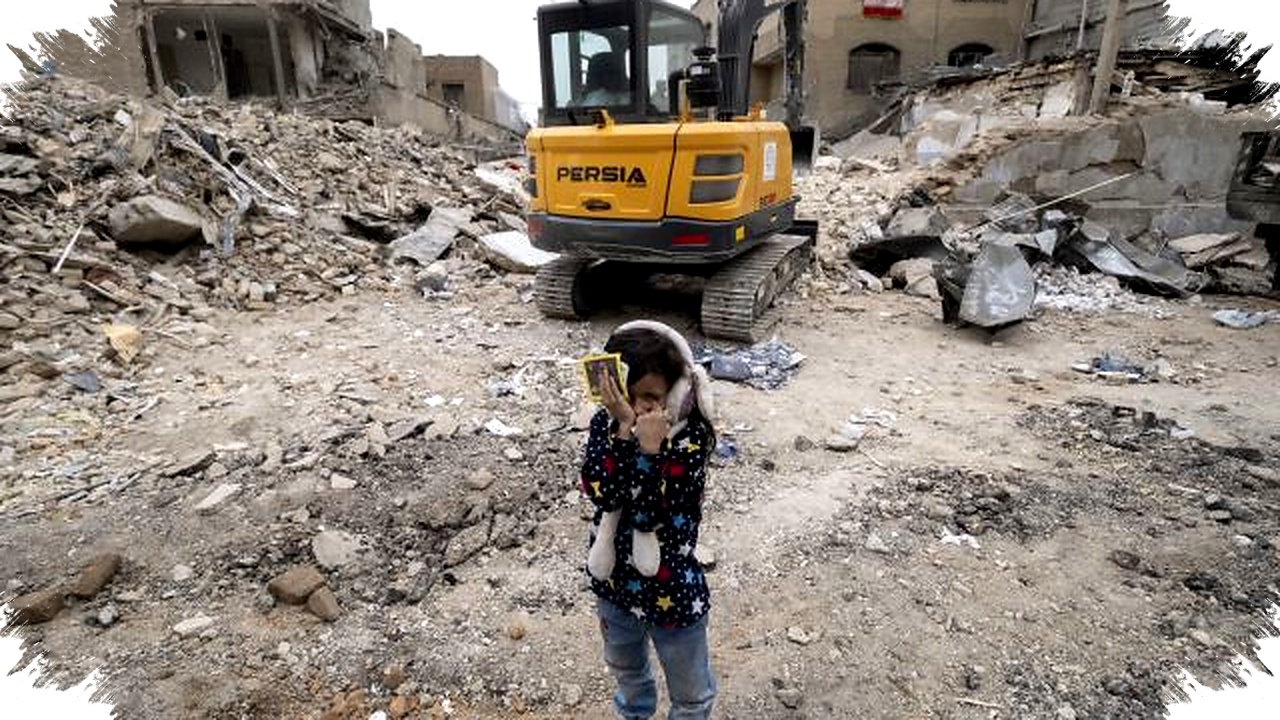
The conflict involving the US, Israel, and Iran has entered its 20th day with no signs of de-escalation. Iran has intensified attacks on key energy infrastructure across the Arab Gulf states, severely impacting regional stability and global energy markets. Oil prices surged to $110 per barrel following strikes on critical facilities in Qatar, Abu Dhabi, and Kuwait. These attacks specifically targeted Qatar’s Ras Laffan natural gas processing plant twice within 12 hours, resulting in extensive damage that led to temporary suspension of operations in Abu Dhabi after missile debris impacted the site. Meanwhile, a drone attack triggered a fire at an oil refinery in Kuwait, further exacerbating concerns over energy security in the Persian Gulf.
Saudi Arabia has responded with heightened military vigilance, intercepting several drones including one headed for a gas facility. Riyadh issued a stern warning that it reserves the right to take military action against Iran if attacks continue. A meeting of 12 Arab and Islamic foreign ministers resulted in a unified demand for Tehran to immediately halt its offensive operations. In diplomatic response, Qatar expelled Iranian military and security attachés, ordering their departure within 24 hours, signaling escalating regional tensions.
Ongoing Military Actions and Strikes
Israel and Iran, alongside Hezbollah, continue exchanging military strikes. Israel claimed to have targeted 200 sites across western and central Iran, focusing on military infrastructure. Israeli defenses intercepted missiles launched from Iran, though one foreign national died from shrapnel injuries in southern Israel. Additionally, rocket fragments hit a hair salon in the Israeli-occupied West Bank, killing at least three women; Israeli authorities attribute this to Iranian cluster munitions.
Significantly, Israel launched naval attacks against Iranian targets in the Caspian Sea—the first such assaults in nearly three weeks of conflict—marking a geographic expansion of hostilities. Until now, US strikes against Iranian naval assets have occurred only in the Gulf of Oman and the Persian Gulf. The Caspian Sea’s strategic importance is elevated due to its proximity to multiple countries, including Russia.
Maritime security remains fragile as unknown projectiles struck two vessels near the Persian Gulf, according to the UK’s maritime authority. Since the conflict commenced, over 20 ships—including oil tankers and cargo vessels—have reported attacks or suspicious incidents in the Persian Gulf, Strait of Hormuz, and Gulf of Oman. These attacks threaten crucial international shipping lanes and add volatility to the already precarious situation.
Political and Intelligence Developments
In public statements, former US President Donald Trump asserted he was unaware of Israel’s pre-emptive strikes on Iran’s South Pars gas field—the world’s largest—while warning the US would decisively retaliate if Iran continued attacking Qatar’s energy sector. Trump accused Israel of having “violently lashed out” but vowed the gas field would not be attacked again unless provoked.
However, intelligence assessments contrast sharply with Trump’s rhetoric. Joe Kent, the former counterterrorism chief who recently resigned, stated there is no evidence of an imminent large-scale Iranian attack akin to 9/11 or Pearl Harbor. He emphasized that Iran is far from developing a nuclear weapon and suggested Israel has involved the US in the conflict prematurely. During congressional hearings, administration officials often contradicted or were unable to substantiate Trump’s claims regarding the severity of the Iranian threat.
Oman’s foreign minister criticized the ongoing “unlawful war” in an op-ed, urging the US and its allies to regain control of foreign policy and mediate a resolution. This reflects growing unease among regional actors concerning the conflict’s escalation and its wider repercussions.
Legislative Responses and Regional Human Toll
Legislative efforts to curb the US president’s war powers have faced rejection by Senate Republicans. This marks the second failed attempt by Democrats within the conflict’s duration to enforce congressional oversight on the administration’s military actions against Iran.
Casualty figures continue to rise sharply throughout the region. Lebanon reports nearly 1,000 fatalities linked to the conflict. Iran suffers the highest death toll to date, with significant numbers also recorded in Gulf states and Israel, underscoring the human cost of the prolonged warfare.
As the 20th day unfolds, the war’s multidimensional impact—military, economic, political, and humanitarian—is increasingly apparent. With energy infrastructure under continual assault and regional alliances hardening, the potential for broader escalation remains a central concern for global observers.