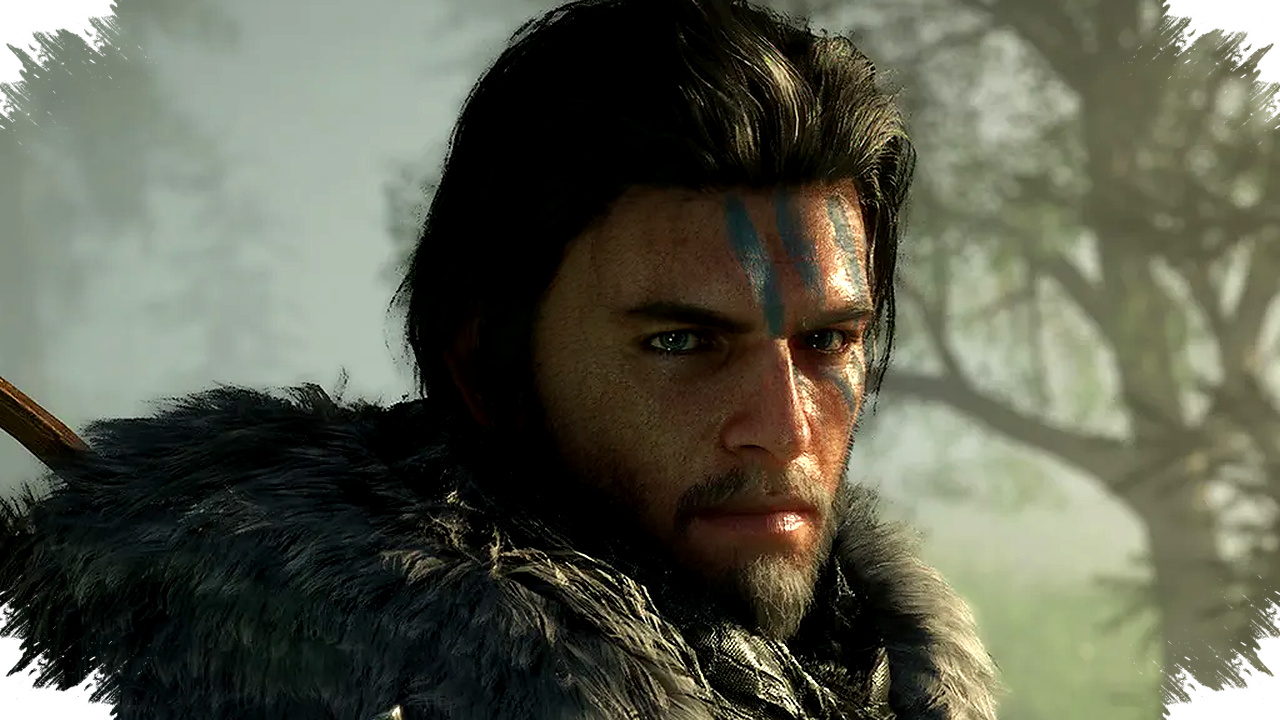
Crimson Desert Review: Ambitious Open-World Adventure with Flaws
Crimson Desert attempts to blend the best elements of major open-world games into one expansive title. Developer Pearl Abyss combines exploration from The Witcher 3, horseback storytelling like Red Dead Redemption 2, puzzle solving reminiscent of Tears of the Kingdom, and the dynamic freedom of Skyrim or Grand Theft Auto 5. However, while this ambitious fusion is impressive in concept, the execution results in a game that excels at many things but masters none. The combat and exploration feel underwhelming compared to genre leaders, and narrative components such as dialogue and character development fall flat.
The game’s world is undeniably vast and visually stunning. Players experience lively towns where NPCs follow daily routines, including caravan workers who can be seen laboring throughout the day. The open-world design invites a variety of activities ranging from arm wrestling, fishing, and gambling to resource management and hunting wildlife for battle preparation. These moments highlight the game’s potential for fun and immersion despite persistent technical and design issues. Puzzle-solving, though included, often requires trial-and-error rather than creativity, revealing some underdeveloped gameplay elements.
Gameplay and Combat Challenges
Combat in Crimson Desert struggles with pacing and balance. Encounters typically involve large enemy hordes that extend fights excessively. Players might face overwhelming swarms during quest interruptions, including war scenarios where objectives force slow, vulnerable progression under fire. Boss fights diverge sharply from typical combat, shifting into multi-phase, soulslike battles with difficulty spikes that disrupt flow. Even experienced players familiar with challenging mechanics find these fights frustrating and poorly balanced. Despite patches addressing some boss encounters, the core issues remain significant obstacles to an enjoyable experience.
Inventory management also frustrates with its limited capacity. Players repeatedly run out of space for collected gear, with no storage system at launch to offload items. This forces discarding unique or valuable possessions, reducing the incentive to gather loot. Pearl Abyss has promised future storage additions, but their absence initially is a notable oversight. Similarly, clunky control schemes require players to memorize complex button combinations for common actions, complicating gameplay unnecessarily. For example, sprinting involves repeated tapping of a button rather than a simple hold, which disrupts intuitive play.
Story and Character Depth
The narrative in Crimson Desert is generally weak and forgettable. The game introduces three playable characters, beginning with Kliff, whose revenge-driven plot fails to engage meaningfully. Throughout over 130 hours of play, story arcs remain aimless, dialogue awkward, and character development shallow. Attempts to elicit emotional investment, such as a multi-stage funeral sequence for a pre-deceased character, feel forced and ineffective. Nevertheless, cutscenes often feature visually impressive, anime-style combat sequences that momentarily captivate attention.
Technical Performance and Optimization
On the technical side, Crimson Desert runs impressively well across platforms. On PC, it is highly optimized, capable of running smoothly on a wide range of modern graphics cards without upscaling. Support for DLSS and FSR further enhances performance without sacrificing visual quality. The game also performs adequately on the Xbox Series X and the less powerful Xbox Series S handheld, maintaining good frame rates despite intensive lighting and extended draw distances. These technical achievements contribute positively to player immersion in the game’s sprawling world.
However, the game is not free from technical issues. Players encounter bugs ranging from minor glitches to severe progression blockers. One major bug locks players out of continuing the main story until a save file several hours old is loaded. Companions occasionally get stuck in the environment, and some quest-related NPCs fail to appear on time, lessening narrative satisfaction. Although patches have addressed some of these problems, ongoing issues indicate that stability remains a work in progress.
Skill Trees and Mobility
Character progression provides diversity through skill trees that unlock new combat techniques and mobility options. Players can acquire abilities to glide across terrain, bash enemies with a shield, or grapple to distant locations, enhancing exploration freedom. Some abilities, such as archery skills, feel less impactful and engaging, while many combat skills appear redundant with minor variations. The abundance of skills with similar mechanics complicates control schemes further, requiring players to remember numerous button sequences that can hinder fluid gameplay.
Summary of Key Strengths and Weaknesses
| Strengths | Weaknesses |
|---|---|
| Expansive, immersive open world | Weak narrative and character development |
| Visually impressive graphics and lighting | Clunky, unintuitive combat and controls |
| Well-optimized performance across platforms | Excessive, poorly balanced combat encounters |
| Variety of activities and resource management | Lack of inventory storage at launch |
| Diverse skill trees with unique mobility abilities | Frequent technical bugs and progression blockers |
Despite its flaws, Crimson Desert offers moments of genuine enjoyment when exploring its huge map and engaging with its varied systems. The game’s potential is evident, though its execution often frustrates players seeking a polished open-world experience. Pearl Abyss has committed to ongoing support and patches, aiming to address gameplay imbalances and bugs. For fans of large-scale adventures willing to overlook narrative weaknesses and technical quirks, Crimson Desert presents a sprawling fantasy world worth exploring.
Read more at: www.ign.com-

-

-

-