When Disney acquired Lucasfilm, many feared it would diminish Star Wars’ mystique. The franchise had always been a complex mythology with devoted fans guarding its legacy fiercely. Concerns centered on Disney “sanitizing” or oversimplifying the universe, reducing it to formulaic content.
Contrary to these worries, Disney revitalized Star Wars by creating a cohesive and accessible storytelling framework. Rather than fragmenting the saga, Disney Plus functions as a curated timeline that guides fans through the galaxy’s eras in order. This strategic platform design transforms Star Wars from scattered episodes and novels into one continuous historical saga.
Disney Plus – The New Narrative Atlas


Star Wars had long been experienced in disconnected pieces: trilogies, side stories, books, and games often required fan effort to piece together. Disney Plus changed this by offering a centralized narrative timeline. This allows viewers to engage with the story as a seamless evolution, akin to reading an interconnected novel series rather than disparate films.
The streaming platform’s disciplined rollout fosters a sense of historical continuity. This is essential because Star Wars resonates strongest when the audience perceives it as an unfolding history, not isolated events. Fans can now move intentionally through different eras and storylines, enhancing the franchise’s depth and emotional impact.
The Puzzle Effect – Seamless Story Integration
Expanding Star Wars’ universe without it feeling “tacked on” is challenging. Yet, Disney’s recent projects often create the “puzzle effect”—the impression that new stories were always meant to fit within the established timeline. This effect is the product of meticulous retroactive storytelling, filling narrative gaps and connecting plotlines across series and films.
The strategy ensures that seemingly independent stories gain new meaning when viewed as part of the larger galaxy’s fabric. Each installment enriches previous ones, making the entire saga feel coherent and deliberately constructed rather than opportunistic franchise expansion.
Animation as a Core Pillar
Disney’s stewardship notably elevated animation from supplementary content to franchise foundation. Series like Star Wars: The Clone Wars and The Bad Batch provide vital backstory and emotional nuance. These animated narratives deepen character motivations and bridge complex historical periods, enriching the cinematic entries.
Through animation, Disney invests in the connective tissue of Star Wars lore. Rather than rebooting familiar characters repeatedly, it develops underexplored areas and stories that give the saga richer texture and complexity. This approach reflects true franchise care, emphasizing continuity and depth.
Grounded Storytelling in Andor and Rogue One
The series Andor exemplifies Disney’s mature, restrained storytelling approach. It intricately ties into Rogue One, illuminating the human cost behind the rebellion. Instead of relying on spectacle, Andor portrays the Empire as a bureaucratic and oppressive regime, making its menace feel realistic and systemic.
The political realism in Andor contrasts sharply with the mythic tone of The Mandalorian, yet both series coexist through their shared grounding in consequence. This tonal variety enriches the franchise by offering multiple narrative approaches that still feel part of a cohesive whole.
The Mandalorian – New Entry Point and Respect for Legacy
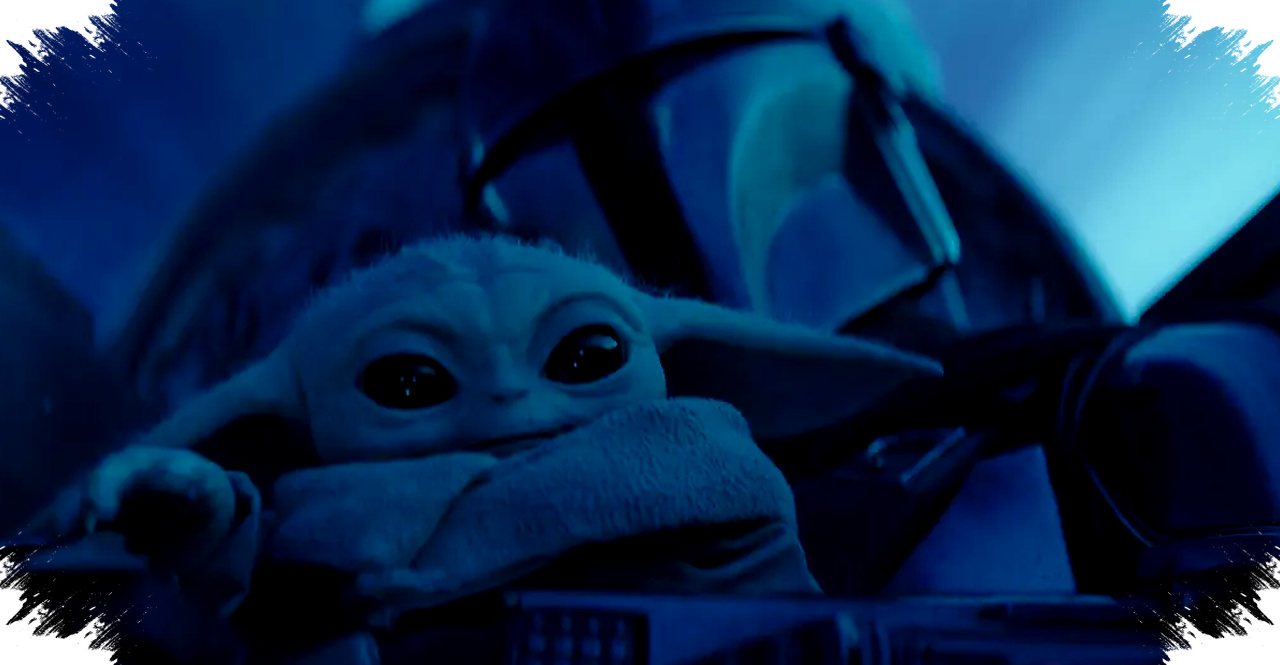
The Mandalorian skillfully created an accessible entry point that respects existing Star Wars lore without requiring encyclopedic knowledge. It expands the mythos with fresh characters and cultures while honoring classic elements. The success of characters like Grogu demonstrates Disney’s ability to balance iconic appeal with mysterious storytelling depth.
This series shifted the franchise’s center of gravity away from the Skywalker saga, broadening its scope. It also demonstrated risk-taking by developing more complex legacy characters, such as Boba Fett, as nuanced individuals rather than mere tropes or merchandising vehicles.
Interactive Engagement Through Gaming
Disney’s integration of Star Wars extends beyond passive viewing into interactive experiences. Collaborations like the expansive Fortnite: GALACTIC BATTLE season transform the franchise into an immersive space. Players can pilot iconic ships and engage in story-driven events within the game environment, blurring the lines between storytelling and gameplay.
A groundbreaking development is the in-game Watch Party for Tales of the Underworld, marking the first time a Disney Plus series premiered inside a game. This dual engagement meets audiences where they already spend time and signals a shift in distribution and consumption patterns for franchise content.
Strategic Long-Term Franchise Management
The illusion of a perfectly planned Star Wars narrative reflects disciplined storytelling and franchise management. Writers’ rooms, story groups, and showrunners align projects to maintain emotional logic and continuity. This careful sequencing ensures new shows and films feel like natural extensions of the saga rather than disconnected additions.
Disney’s approach treats Star Wars as a living, evolving universe rather than a static museum piece. By doing so, it preserves depth without sacrificing accessibility and embraces a diverse array of narrative tones while maintaining cohesion.
Toward a Cinematic Return Anchored in Trust
The upcoming theatrical release of The Mandalorian marks a culmination of Disney’s serialized storytelling foundation. Rather than launching a film cold, Disney invites audiences to continue a relationship built over years of streaming narratives. This move leverages established trust and emotional investment, distinguishing it from earlier franchise resets.
Ultimately, Disney’s stewardship has balanced heritage with innovation. It has made Star Wars navigable, enriched its history, and nurtured both old and new characters. As the franchise enters its fifth decade, it does so with renewed momentum and genuine anticipation for what connects past, present, and future stories.
Read more at: www.designscene.net