


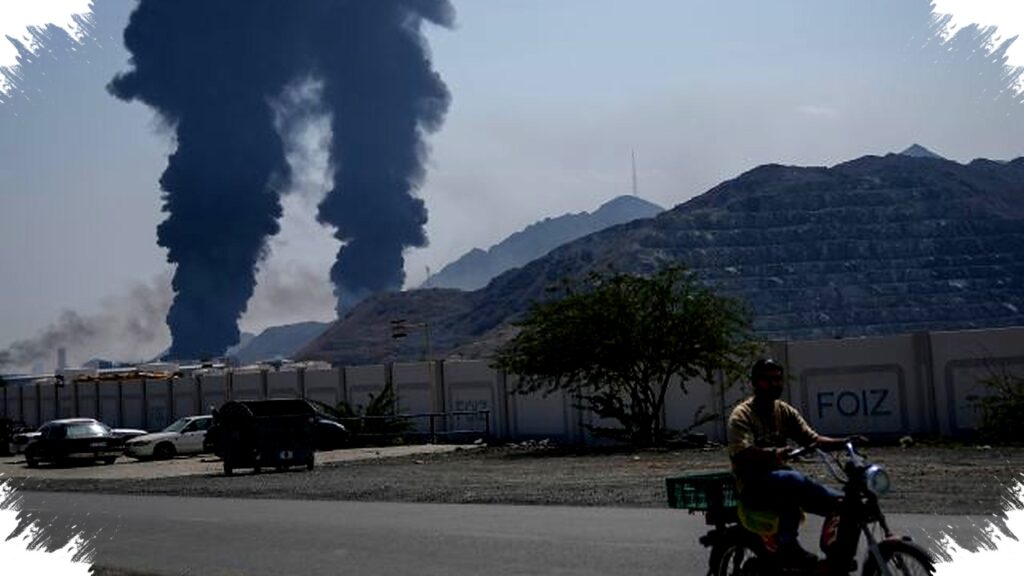
On the fifteenth day of the escalating conflict in the Middle East, former President Donald Trump publicly called on international allies to deploy warships to secure the Strait of Hormuz. This strategic waterway, critical for global oil shipments, has become a flashpoint amid rising tensions between Iran and Western powers.
Trump emphasized the importance of a coordinated naval presence to ensure free passage through the Strait, citing recent Iranian actions that have threatened maritime security. The call comes as Iran insists it has only restricted access to vessels linked to the United States and Israel.
Iran’s Position on the Strait of Hormuz
Iranian Foreign Minister Abbas Araghchi rebutted claims suggesting a complete closure of the Strait. Speaking in an interview, he clarified that the waterway remains open except to American and Israeli ships. “It is only closed to American, Israeli ships and tankers, and not to others,” Araghchi stated, reinforcing Iran’s stance on selective restrictions.
Araghchi also dismissed rumors about the health of Iran’s new supreme leader, Mojtaba Khamenei, affirming his full capability and constitutional role. This statement aimed to counter U.S. Defense Secretary Pete Hegseth’s claims about alleged injuries to the leader.
Regional Military Actions and Retaliation
The ongoing conflict has involved a series of strikes targeting Iranian facilities. The U.S. and Israel have reportedly conducted attacks on key infrastructure, including Iran’s Kharg Island, a major oil export hub. Araghchi vowed that Iran’s armed forces will retaliate against any attacks on energy infrastructure connected to American interests.
He accused United Arab Emirates territory as a base for some of these strikes, specifically pinpointing Ras al-Khaimah and sites near Dubai. Araghchi described these actions as highly dangerous due to their proximity to civilian areas, signaling deep regional concern over spillover effects.
International Relations and Military Cooperation
Regarding external support, Araghchi acknowledged strategic military cooperation with Russia and China but refrained from disclosing specific details. This highlights Iran’s efforts to strengthen alliances amid the confrontation.
He also addressed nuclear negotiations, denying threats to weaponize Iran’s uranium stockpile. Instead, Araghchi claimed the discussions almost reached an agreement, suggesting a willingness on Iran’s part to make significant concessions before hostilities intensified.
Reactions from the UAE
In response to Iran’s accusations, senior UAE diplomatic adviser Anwar Gargash criticized Araghchi’s remarks as misguided and indicative of a lost policy direction. He stated that the UAE has pushed for mediation to prevent war and remains committed to restraint and diplomacy.
Gargash emphasized the UAE’s right to self-defense in light of ongoing threats, while continuing to seek peaceful resolutions to the regional crisis. This response underlines the complex diplomatic balancing act in the Gulf amid escalating confrontations.
Key Points on the Conflict’s Maritime Dimension
- The Strait of Hormuz remains open except for vessels linked to the U.S. and Israel.
- Iran vows retaliation against any attacks on its energy infrastructure.
- The UAE denies involvement in military aggression and promotes mediation.
- Russia and China continue strategic military cooperation with Iran.
- Nuclear talks had neared a deal before the conflict escalated.
The call by former President Trump for warship deployment underscores global concern about maintaining free navigation in the Strait of Hormuz. As regional tensions persist, ensuring maritime security remains a critical focus for the international community.