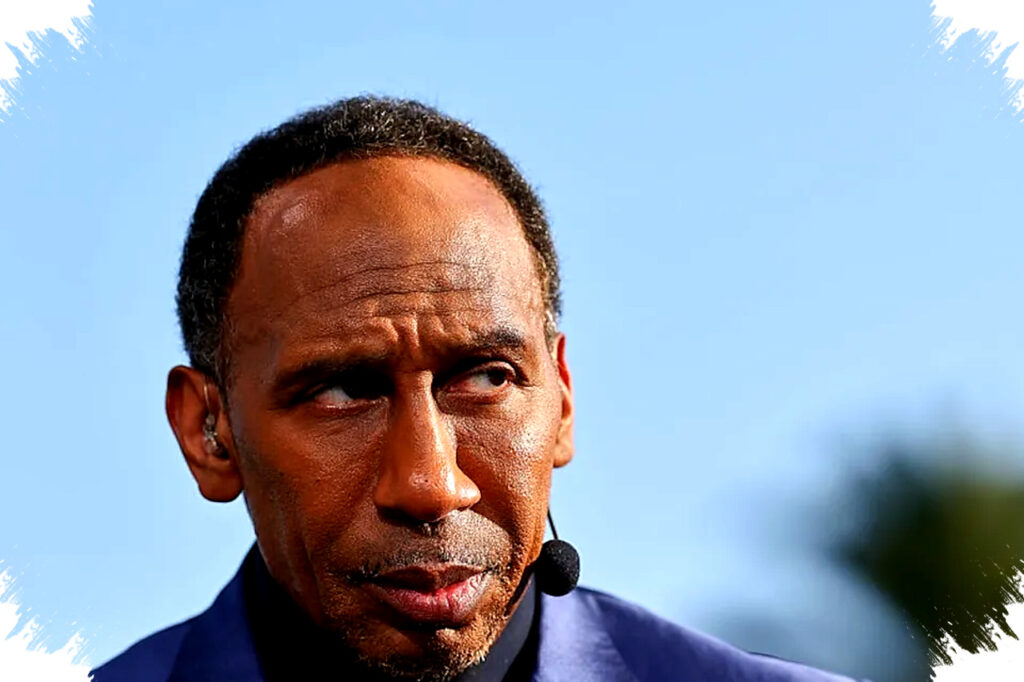
Stephen A. Smith launched a fierce criticism against his former ESPN colleague Jason Whitlock in a recent episode of his “Straight Shooter” show. What began as a defense of Smith’s own reputation quickly escalated into a broad condemnation of Whitlock’s alleged pattern of undermining fellow sports media professionals.
Smith accused Whitlock of targeting several prominent figures including Chris Broussard, Scoop Jackson, Jemele Hill, and Michael Smith. He claimed that Whitlock’s actions went beyond personal grievances, involving deliberate attempts to sabotage careers behind closed doors. “You tell them how many of us in the industry that you went to bosses and tried to undermine us to prevent us from getting paid,” Smith said on YouTube, emphasizing the severity of the accusations.
The dispute is framed not just as a personal vendetta but as a matter affecting the entire sports media industry. Smith argued that Whitlock presented himself as doing “God’s work” while quietly damaging the reputations of colleagues and disrupting career trajectories. The allegations point to a toxic work environment where professional sabotage was an ongoing issue.
Smith referenced a 2015 Deadspin article that chronicled the downfall of “The Undefeated,” ESPN’s platform aimed at elevating Black voices in sports media. According to Smith, Whitlock’s leadership failures and strained relationships contributed significantly to the platform’s collapse. Writers reportedly refused to collaborate with Whitlock, including established ESPN personalities who declined his invitations to contribute.
Smith highlighted the importance of this failure as it represented a lost opportunity to empower underrepresented Black voices in the sports industry. He claimed that Whitlock’s behavior had a lasting negative impact on both the platform and the professional community. “There isn’t a black person in our business that would disagree with what I said. You don’t believe me? Ask them,” Smith challenged.
This public confrontation serves as a rare and candid exposure of internal conflicts within sports media. The allegations reveal complex interpersonal dynamics that have affected careers and professional networks for over a decade. Smith’s blunt language, calling the conduct “demonic” and “evil,” underscores the deep-seated mistrust and resentment he attributes to Whitlock.
The situation brings to light broader issues within the sports journalism industry regarding workplace culture and professional integrity. Smith’s call for accountability extends to industry leaders and colleagues who witnessed or were affected by this conduct.
The episode underscores how personal disputes can escalate into industry-wide debates about ethics and respect in media professions. As Smith airs these grievances publicly, the dialogue around the treatment of Black journalists and creators in sports media gains renewed urgency.
His remarks also prompt reflection on the responsibilities of media figures not only to their careers but to the larger community they serve. The fallout from this scorched-earth rant may influence future interactions and the standards of professionalism in sports journalism.