The new WNBA collective bargaining agreement (CBA) set to take effect in 2026 will drastically increase player salaries across the league. Each team’s salary cap jumps from $1.5 million in 2025 to $7 million in 2026, reflecting a historic leap in compensation that impacts players at all experience levels.
This new pay structure aims to reward elite talent and recognize the value of seasoned veterans and promising rookies alike. For instance, superstars and top veterans will see their maximum salaries soar, while rookie contracts and minimum salaries will also experience substantial growth, creating a more equitable financial landscape.
Elite Veterans Set to Earn Maximum Pay
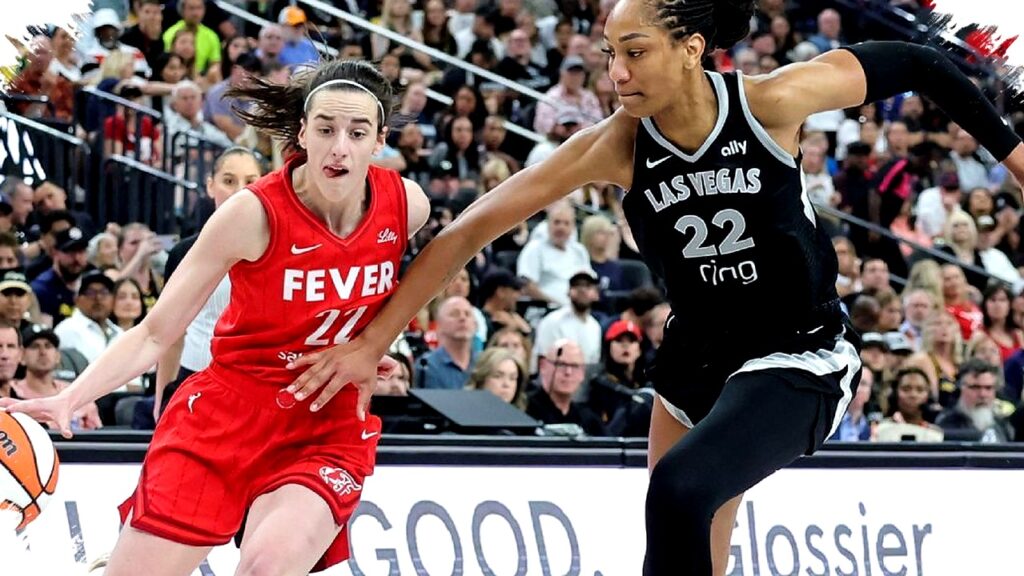
Veteran players such as A’ja Wilson, an 8-year WNBA veteran and multiple MVP winner, exemplify the salary transformation. Wilson’s salary will increase from $200,000 in 2025 to a projected $1.4 million under a supermax deal in 2026. The new CBA allows for a maximum salary of approximately $1.19 million for other elite players, marking an extraordinary improvement over previous compensation.
Wilson’s rise highlights the league’s commitment to financially rewarding proven excellence. The enhanced salary also includes increased bonuses tied to league honors; for example, an MVP award would now be worth $60,000 compared to $15,450 previously.
Mid-Level Veterans Benefit Significantly
Players like Alanna Smith, a reliable 7-year vet, will also command substantially higher salaries. Smith’s pay is expected to grow from $150,000 in 2025 to around $600,000 in 2026. The WNBA estimates the average salary around $583,800, which reflects an overall upward adjustment benefiting mid-tier veterans who contribute consistently to their teams.
This boost supports the retention of strong role players who are essential for team success and championship bids. Smith’s defensive accolades and playoff experience illustrate the league’s valuing of such players.
Minimum Salaries Raised to Enhance Player Security
Even the most experienced veterans earning minimum contracts will benefit. Erica Wheeler, a 10-year guard, will see her pay increase from $78,831 to $300,000 in 2026, aligning with the new minimum salary tier for players with over a decade in the league. Minimum salaries for less experienced players will also rise incrementally, with first-year athletes receiving $270,000.
This structure ensures that all players, regardless of status or tenure, receive livable wages with respect to their experience. It marks an important step toward financial stability within the league.
Rookie Contracts and Top Draft Picks See Dramatic Enhancements
The league has modernized rookie contracts under the new CBA, including the introduction of the Exceptional Performance on Initial Contract (EPIC) clause. This allows rookies to renegotiate contracts and potentially sign extensions based on early career honors such as All-WNBA selections or MVP awards.
For example, Caitlin Clark, entering her third season, is projected to earn around $530,000 in 2026, a major increase from her 2025 salary of $78,066. The rookie salary scale will start at $500,000 for the No. 1 pick in the 2026 draft, significantly higher than past figures.
This new scale incentivizes performance while providing young players with early financial rewards and contract flexibility.
Salary Scale for Top Draft Picks and Rookies in 2026
- No. 1 pick: $500,000
- No. 2 pick: $466,913
- No. 3 pick: $436,016
- Remaining first-round picks: Starting at $289,133
- Second- and third-round picks, plus other rookies: $270,000
These adjustments will help attract top collegiate talent and keep emerging stars financially competitive.
Implications for Team Building and Free Agency
With the upcoming expansion drafts for Toronto and Portland and a bustling free agency period scheduled in early April, teams must navigate a larger salary cap wisely. The increased salary cap and elevated pay scales will transform roster construction and player negotiations.
General managers will have enhanced ability to offer competitive contracts while balancing team composition under the new financial rules. This may lead to more aggressive retention of star players and strategic acquisition of mid-level veterans and promising rookies.
Broader Impact on League Growth and Player Welfare
The new WNBA CBA clearly prioritizes elevating player salaries and benefits, reflecting the league’s growth and commercial success. It raises the financial ceiling for players, provides greater security and earning potential, and encourages both competitive sportsmanship and career longevity.
Elevating pay also supports the league’s ongoing effort to attract and retain top talent, improve player welfare, and build a more sustainable professional environment.
The 2026 season will mark a turning point where every player in the WNBA experiences the financial benefits of this groundbreaking agreement. These salary increases signal a new era of recognition and investment in women’s professional basketball.
Read more at: www.espn.com