


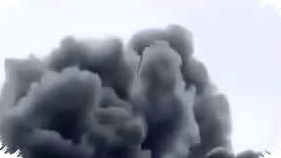
An Iranian missile struck the industrial zone of Ne’ot Hovav on Sunday afternoon, triggering a fire and raising concern over a possible leak of hazardous chemicals. Israel’s Environmental Protection Ministry said the situation was still under investigation, while stressing that no immediate risk was expected for nearby towns in the Ramat Negev Regional Council.
The strike hit a factory in one of Israel’s key industrial areas and quickly prompted a security and environmental response. Police blocked Highway 40, local officials advised residents to use other routes, and Home Front Command told people in the area to stay inside enclosed spaces, shut windows, and turn off air conditioning.
Chemical leak risk under review
The Environmental Protection Ministry said teams were checking whether the impact had caused dangerous materials to escape from the factory. The ministry said there was no expected danger to surrounding communities at that stage, but the fire and industrial location made the incident a high-priority safety concern.
The Industrial Council of Ne’ot Hovav said it was coordinating with Home Front Command, police, firefighters, the Environmental Protection Ministry, and the factory’s management. The council said a hazardous chemical event had been declared and all factory workers were ordered to stay in safe areas.
Emergency measures in place
Officials moved quickly to reduce exposure risks after the strike. Residents and workers in the industrial zone were told to remain indoors, while emergency crews monitored the site for fire spread and possible contamination.
Key response steps reported by authorities included:
- Closing Highway 40 in the affected area.
- Ordering people to stay in sealed rooms.
- Shutting windows and turning off air conditioning.
- Coordinating inspections with environmental and emergency teams.
- Keeping factory workers in protected spaces.
Damage and injuries reported
Israeli media reported that one person suffered light wounds from the shockwave. Later on Sunday, several missile fragments were also reported to have fallen in the Beersheba area, adding to the day’s emergency alerts.
In Beersheba, 11 people were treated for anxiety and another 20 received treatment for minor injuries after the fragment falls. The reports underscored the wider impact of the attack beyond Ne’ot Hovav, where the main concern remained the potential environmental effect of the strike on an industrial facility.
Why Ne’ot Hovav matters
Ne’ot Hovav is known for its concentration of industrial and chemical facilities, which makes any missile impact there especially sensitive. A direct hit in such a zone can create risks that go beyond fire damage, including toxic smoke, hazardous runoff, or leaks from stored materials if infrastructure is breached.
Officials have not publicly confirmed a chemical release, and the ministry’s initial assessment pointed to no expected danger for nearby population centers. Even so, the incident showed how a missile strike on an industrial site can force rapid coordination between fire crews, police, military home front units, and environmental regulators.
Read more at: www.yahoo.com