


Oil prices rose on Sunday after Iran warned that any US ground invasion would be met by its forces, raising fresh fears about supply security in a region that accounts for a major share of global energy flows. Brent crude climbed 2.47% to $107.92, while US crude gained 2.94% to $102.57 as traders weighed the risk of deeper disruption.
The move came even after President Donald Trump said on Friday that negotiations would continue to try to end the war. Iran’s parliament speaker said on Sunday that the country’s forces were “waiting” for American troops, signaling that tensions remain high despite the renewed diplomatic language.
Supply risks keep traders on edge
The oil market has been reacting to repeated threats around the Strait of Hormuz, a narrow waterway through which about 20% of the world’s oil flows. Any prolonged disruption there could tighten global supply quickly and push fuel costs higher across major importing economies.
Yemen’s Iran-backed Houthi group has added to the pressure by launching strikes against Israel, while also posing a threat to shipping routes through the Bab al-Mandab Strait. That chokepoint links the Red Sea to global trade lanes and could create a second major risk point for energy transport.
Pressure spreads beyond the Middle East
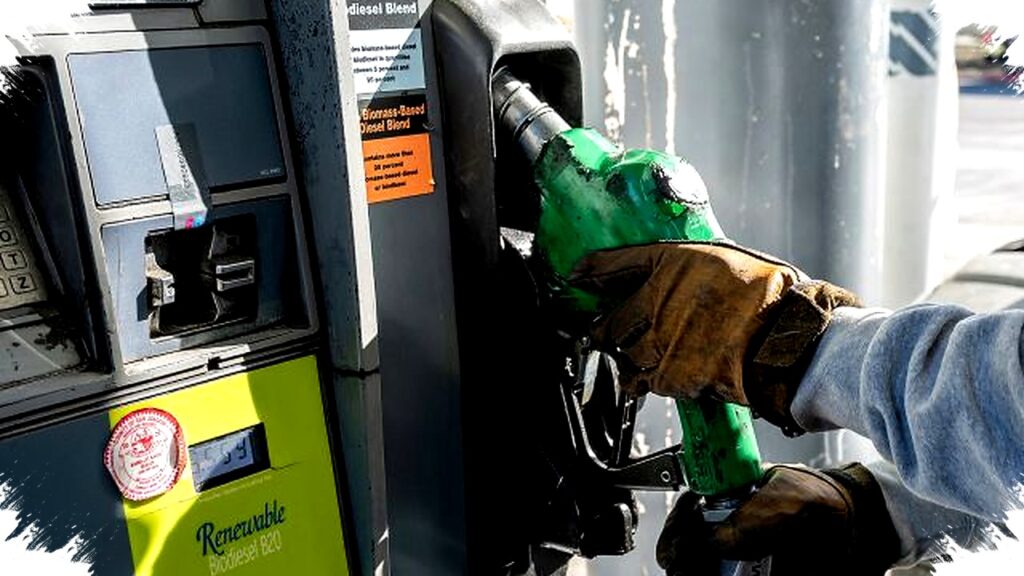
Gasoline prices in the US have already felt the strain, with the national average at $3.98 a gallon on Sunday. Analysts say the impact will spread further if shipping routes stay under threat or if attacks continue to hit oil and gas facilities in the region.
Bob McNally, president of Rapidan Energy, told CNN that smaller countries would likely face the hardest shock, especially in Asia. He said rising oil prices would ripple through the wider economy and could eventually be checked only if demand weakens in a recession.
“Once you hurt the economic growth, it’s a brutal way, but an effective way, of killing oil demand, which then will cap the price,” McNally said.
Diplomacy tries to catch up with the market
Efforts to ease the crisis continued as foreign ministers from Pakistan, Saudi Arabia, Egypt and Turkey worked on ways to end the war. Pakistan’s Foreign Minister Ishaq Dar said the Sunday meeting was “very productive” and added that Pakistan will help facilitate talks between the US and Iran in the coming days.
That diplomatic push has not yet calmed energy markets, which remain focused on the risk of wider conflict and further damage to infrastructure. Experts say fuel prices are unlikely to retreat quickly even if fighting eases, because repairs to ports, pipelines and production sites could take time.
Key market signals now being watched
- Brent crude price: $107.92, up 2.47%
- US crude price: $102.57, up 2.94%
- US average gasoline price: $3.98 per gallon
- Stock futures: Dow down 0.53%, S&P 500 down 0.46%, Nasdaq down 0.48%
The focus now remains on whether talks can reduce the threat to the Strait of Hormuz and nearby energy infrastructure, since any further escalation could lift oil prices again and deepen pressure on global markets.
Read more at: www.cnn.com