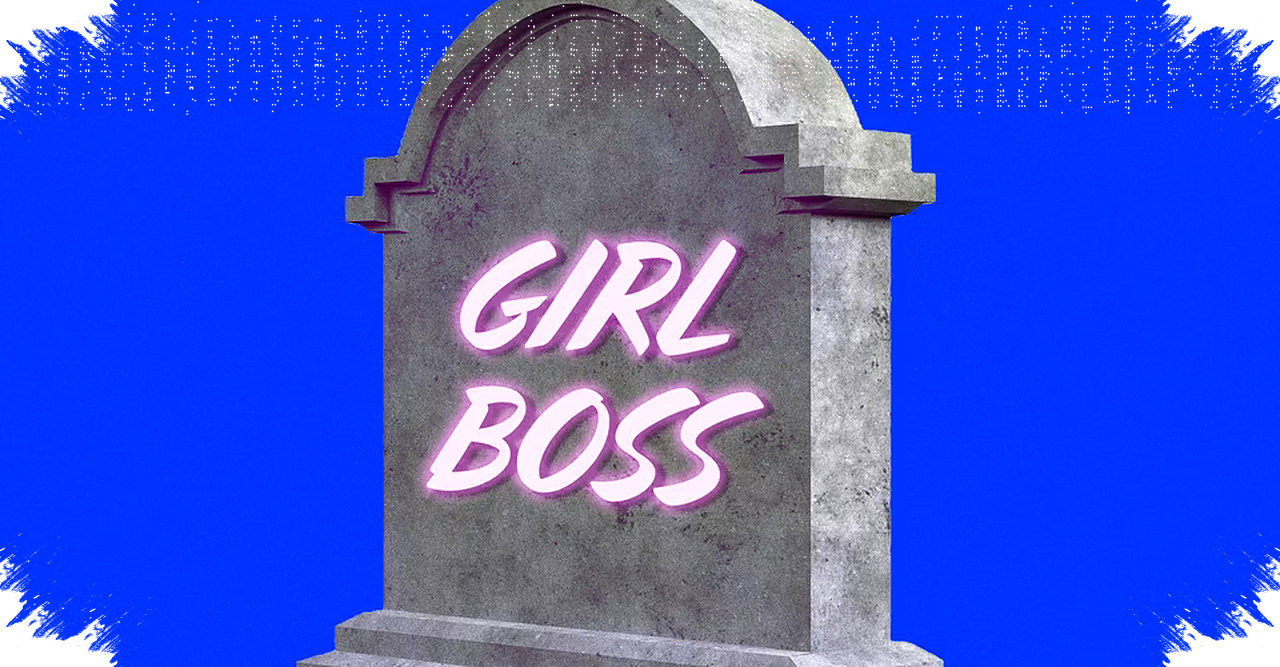
Millennial feminism rose as a loud, internet-driven form of politics that rewarded sharp takedowns, personal confession, and public certainty. It helped popularize new language around body image, sexuality, and online accountability, but it also demanded a level of moral consistency that many of its own champions could not sustain.
The latest debate around Lindy West’s memoir, Adult Braces, has revived questions about what this movement became and why it faded. The book has drawn attention not just because West was once one of the era’s defining feminist voices, but because her shifting account of relationships, sexuality, and identity now reads like a mirror of the movement’s contradictions.
The rise of a Millennial-era feminist voice


West built her reputation during the heyday of digital media, moving from local blogging to national platforms such as Jezebel and The Guardian. She became known for combining anger, humor, and vulnerability in a style that matched the pace and tone of social media feminism.
Her earlier work, including the bestseller Shrill and its TV adaptation, made her a symbol of an era that celebrated unapologetic self-definition. That era also treated public testimony as moral proof, especially on topics such as sexism, fatness, queer identity, and harassment.
How the movement shaped itself
Millennial feminism often asked women to reject shame, defend boundaries, and trust self-identification. It also encouraged a strong form of online solidarity that viewed disagreement as a sign of bad politics rather than a chance for debate.
That approach helped many people talk openly about issues that had long been ignored. But it also created a rigid culture in which women were expected to be permanently confident, permanently progressive, and permanently aligned with the movement’s most current language.
Why the model began to break
The article’s core argument is that Millennial feminism weakened when its ideals collided with ordinary human behavior. Some public narratives that once seemed unquestionable later looked unstable, while several well-known progressive figures made choices that appeared to contradict their own public messaging.
That shift was especially visible in culture wars around body positivity, sexuality, and online identity. The rise of GLP-1 drugs, changing attitudes toward weight loss, and skepticism toward self-diagnosis all exposed a gap between political slogans and private reality.
Key fault lines in the movement
- Public moral certainty often outran personal consistency.
- Online activism rewarded absolutist language over nuance.
- Claims about identity were treated as self-validating, even when evidence was thin.
- Body positivity sometimes became a rule that allowed no discomfort, doubt, or change.
- Online pile-ons and harassment pushed many writers away from the communities that formed them.
West’s own memoir has become a case study in that tension. She describes past abuse, shame, and online cruelty, but she also revisits earlier certainty with a more conflicted tone that fits a broader cultural backlash against the movement’s old assumptions.
What changed in the broader media culture
Several institutions that once carried millennial feminist culture have also faded. Jezebel lost its central role, Tumblr declined, and the viral takedown style that once powered feminist internet discourse no longer delivers the same influence.
Legacy media also moved on from the language of “girlboss” feminism and the endless policing of “white feminism.” What remained was a more cautious public mood, shaped by fatigue with online moralism and a growing preference for less performative forms of politics.
The legacy that remains
Despite its decline, Millennial feminism did leave a lasting mark on how women’s lives are discussed in public. It normalized open conversations about harassment, mental health, sexuality, and body image, and it pushed mainstream culture to take female anger seriously.
At the same time, its downfall shows the limits of a movement built around self-curated authenticity and online approval. West’s memoir now sits at the center of that reckoning, not as proof that feminist gains vanished, but as evidence that the cultural style of the 2010s no longer commands the same trust or authority.
Read more at: www.theatlantic.com