Donald Trump’s growing collection of political and ceremonial honors did not start as one more campaign spectacle. It began with the kind of awards that presidents have long received, then shifted into a far more manufactured practice after he left office and allies started creating new honors for him on the spot.
The difference matters because the newer awards are not always tied to long-standing institutions or established criteria. They often appear designed to send a message, reward loyalty, or create a stage-ready moment that benefits both Trump and the people handing it out.
From traditional presidential honors to personalized praise
Presidents routinely receive awards from foreign governments and established organizations as part of diplomacy and political courtesy. Trump received some of those in his first term, including Saudi Arabia’s highest civilian decoration from King Salman during his first overseas trip, the Friends of Zion Award for moving the US Embassy to Jerusalem, and Kosovo’s Order of Freedom for his role in a Serbia normalization deal.
Those honors fit a familiar pattern. They were tied to official decisions, came from recognized institutions, and reflected standard diplomatic or political recognition for a sitting US president.
The shift after Trump left office
The newer trend began after Trump lost reelection, when the honors stopped being traditional and started being invented. A key early example came when Florida Senator Rick Scott, then chair of the National Republican Senatorial Committee, gave Trump a newly created “Champion for Freedom Award” in a move that looked less like a historical honor and more like a political signal.
That detail mattered because the award had no real legacy or prior list of recipients. It was created for the moment, soon after the Jan. 6 attack on the Capitol, when Republicans were still deciding how closely to align themselves with Trump ahead of the midterm elections.
Why the awards kept multiplying
The pattern expanded because the awards useful to Trump also worked well for the people giving them. They offered a public display of support, created photos and headlines, and helped donors, campaign figures, and institutions show proximity to Trump without relying on old-fashioned forms of recognition.
- Some awards came from governments and were legitimate state honors.
- Some were newly invented by political allies or organizations.
- Some were symbolic gifts that looked like awards and functioned like one.
- Some were real medals or honors handed over to Trump in highly personal exchanges.
By his second term, the mix became even clearer. The United Arab Emirates gave him the Order of Zayed, Egypt awarded the Order of the Nile, and South Korea presented the Grand Order of Mugunghwa, while other groups built fresh honors around him.
The rise of made-up awards
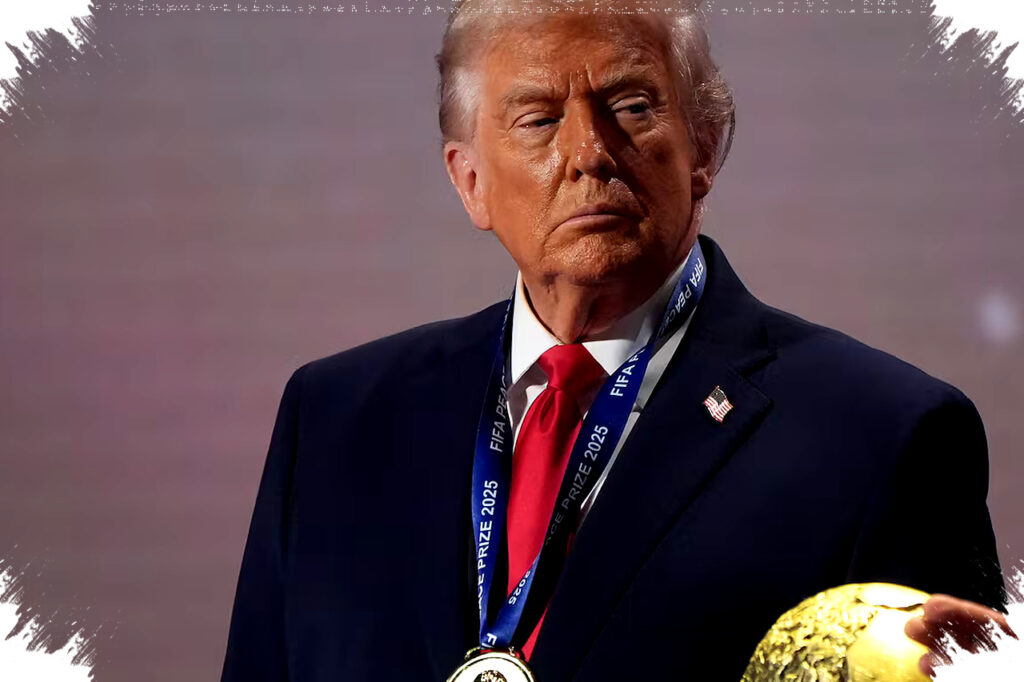
One of the most striking examples came after Trump did not receive the Nobel Peace Prize that he seemed to want. FIFA then created an inaugural “FIFA Peace Prize” and gave the first one to him, even though the organization had never used that award before.
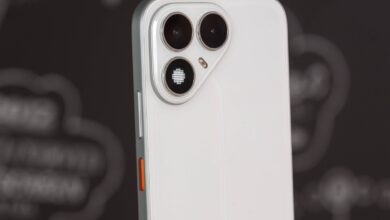
Other examples followed the same logic. An industry group named him the “Undisputed Champion of Beautiful Clean Coal,” while Apple gave Trump a 24-karat gold and glass statue that sat somewhere between corporate gift and political tribute.
How the new awards work politically
These awards do more than flatter Trump. They create visual proof of support, give allies a way to attach themselves to his brand, and help shape a narrative of power and accomplishment even when the award itself has no history.
That is why the most revealing examples are often the least traditional ones. A new award can be announced, handed over, and photographed in a single event, making the honor itself part of the political message rather than a recognition of any lasting achievement.
What makes this cycle different
Presidents have always received honors, but this version is more transactional and more openly personalized. The awards are often unnecessary from an institutional point of view, yet they continue because they appear to matter to Trump and because supporters know that the gesture itself carries political value.
The result is a system where recognition can be manufactured quickly when existing institutions do not provide it. That is the core of how Trump started getting these made-up awards, and why the pattern continues to expand whenever allies, donors, or international figures see benefit in creating a new one.