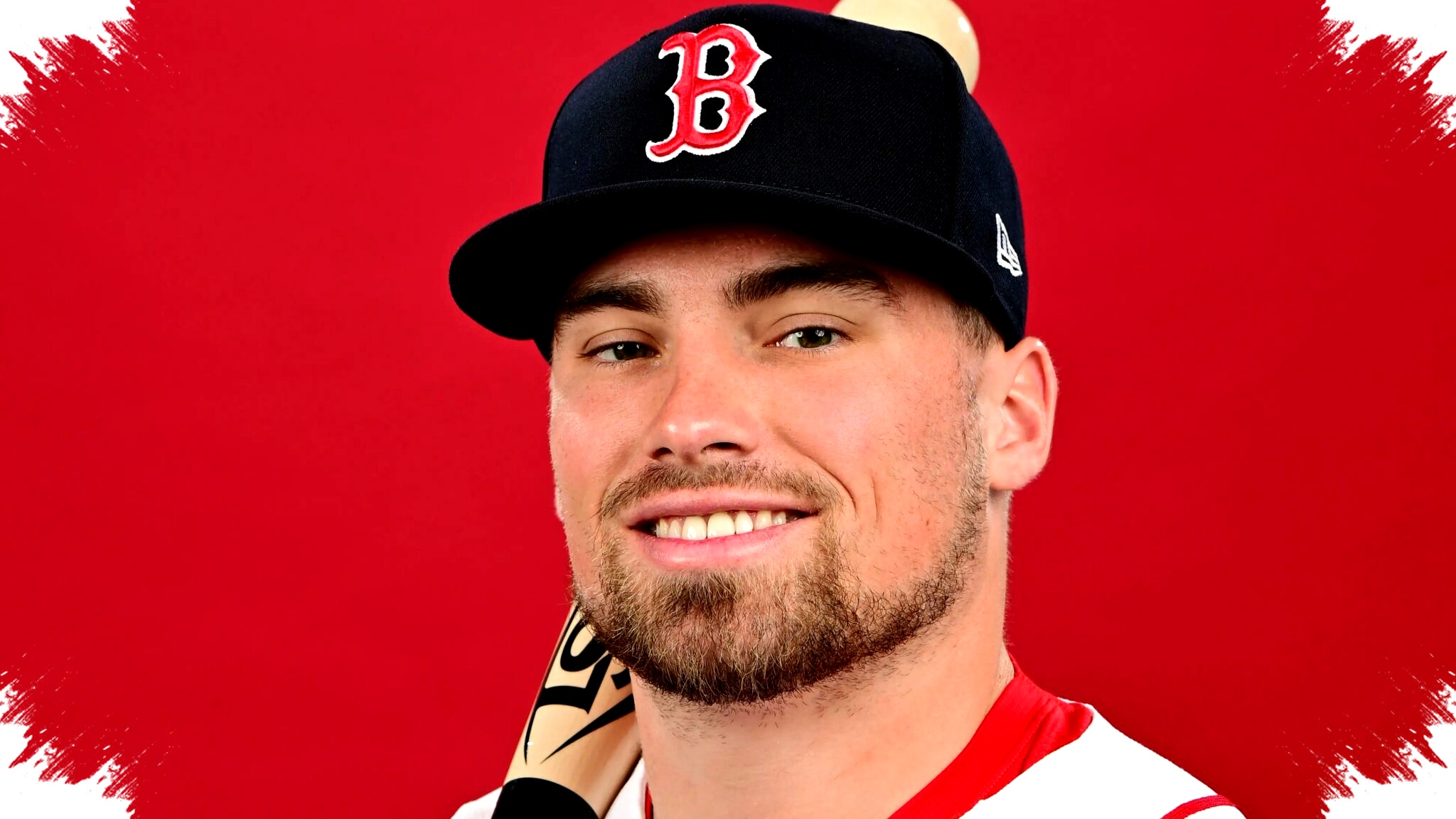
Boston Red Sox infielder Caleb Durbin is being unusually direct about his slow start, calling the first stretch of the season a matter of making adjustments rather than pressing the panic button. The early results have not matched the club’s expectations, but Durbin said he is focused on getting “one at-bat at a time” and finding better contact.
Durbin entered the role with real pressure on him. Boston acquired him after Alex Bregman left in free agency, and the Red Sox gave Durbin the opening job at third base after spring training.
Early numbers tell the story


Durbin’s first four games have been rough by any standard. He opened the season 0-for-12 with three strikeouts against the Cincinnati Reds, then went hitless in two at-bats against the Houston Astros before being lifted for a pinch hitter in a key late-game spot.
That kind of start can become a fast source of frustration, especially for a player expected to stabilize a corner-infield spot. Boston has not hidden the need for production at third base, and the replacement search became a talking point almost as soon as Bregman departed.
Durbin says the approach remains unchanged
Durbin is not sounding rattled, at least publicly. He said the goal is to keep making the necessary adjustments and trust that better results will follow, noting that the season is still extremely young and the sample size is tiny.
His track record suggests there is at least some reason for patience. Last season with Milwaukee, Durbin hit .256 with a .334 on-base percentage and a .387 slugging percentage, while adding 11 home runs and 53 RBIs across 136 games.
Boston may need alternatives sooner than later
If the struggles continue, the Red Sox have options. Marcelo Mayer could move across the infield to handle third base, while veteran utility infielder Isiah Kiner-Falefa gives the club another possible answer.
For now, manager Alex Cora appears willing to keep using the roster aggressively and let the matchup-based decisions play out. Boston still believes Durbin can settle in, but the pressure will rise quickly if the early offensive drought stretches much longer.
Read more at: heavy.com