Indonesia has lifted its tsunami alert after a powerful magnitude-7.4 earthquake struck the northern waters of the Molucca Sea, near the island of Ternate, and triggered panic across parts of eastern Indonesia. Authorities reported at least one death, one injury, damaged buildings, and small tsunami waves after the quake shook coastal communities before dawn.
The Pacific Tsunami Warning Center in Hawaii had initially warned of dangerous waves within a 1,000-kilometer radius of the epicenter, affecting coastlines in Indonesia, the Philippines, and Malaysia. About two hours later, the warning was canceled after the center said the tsunami threat had passed.
What happened after the quake
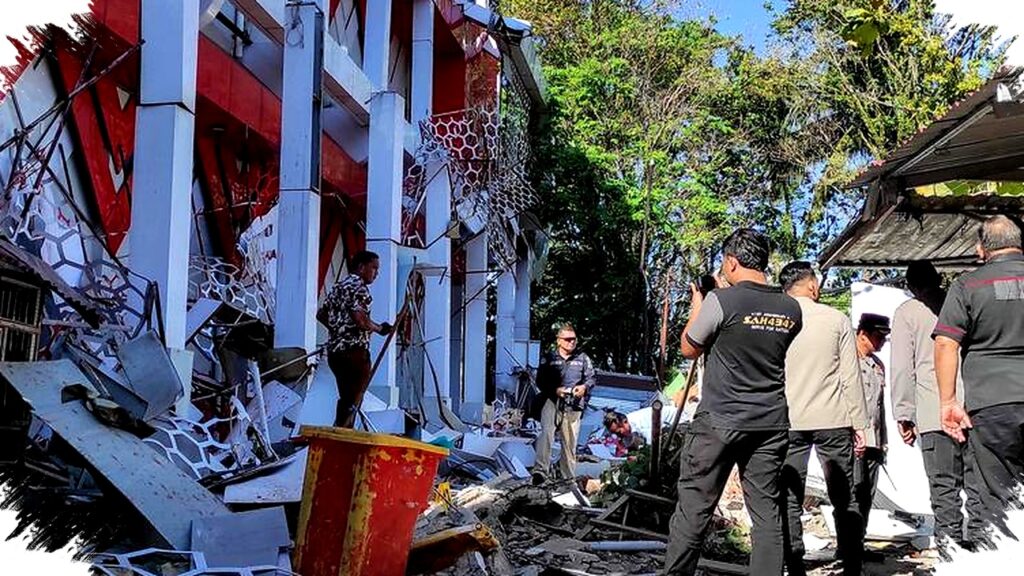
The Indonesian geological agency recorded tsunami waves of about 30 centimeters around 30 minutes after the quake in North Maluku. Local officials said the strongest impact was felt in North Sulawesi, where rescue workers confirmed a fatality in Manado after a person was trapped under debris from a collapsed building.
George Leo Mercy Randang, a local rescue official, said another person suffered a leg injury in the same area. Metro TV also reported that debris caused one death in Manado, while video footage showed damaged buildings and scattered rubble.
How people reacted
Residents in Manado described scenes of panic as people rushed out of their homes after the ground began shaking. A local resident told Reuters that there were no obvious structural damages in her neighborhood, but items fell from shelves and electricity was cut off.
A journalist from AFP in Manado said the tremor woke many people in the city, including himself, and pushed families, students, and nearby residents into the streets. He said a school near his home saw students running outside as the quake continued.
Key facts reported by authorities
- Magnitude: 7.4.
- Depth: 35 kilometers.
- Epicenter: northern Molucca Sea, off Ternate.
- Initial tsunami warning: issued for Indonesia, Malaysia, and the Philippines.
- Confirmed wave height: around 30 centimeters in North Maluku.
- Final status: tsunami warning lifted after the threat was declared over.
The US Geological Survey also issued a potential tsunami threat warning for nearby coastlines after the earthquake, reflecting the strength and shallow depth of the event. Such earthquakes in the Molucca Sea region can be especially disruptive because they strike close to populated islands and busy coastal routes.
Regional risk and emergency response
The quake highlighted the continued seismic risk in the Pacific Ring of Fire, where Indonesia sits among some of the world’s most active fault zones. Emergency services and geological agencies closely monitored coastal areas after the first waves were detected, while officials urged residents to remain alert until all warnings were cleared.
Indonesia regularly faces earthquakes, volcanic activity, and tsunami threats because of its location across multiple tectonic plates. In this case, the rapid downgrade of the warning helped reduce uncertainty, but the damage in Manado and the panic reported in several areas showed how quickly a major offshore quake can affect daily life.
Read more at: www.dw.com