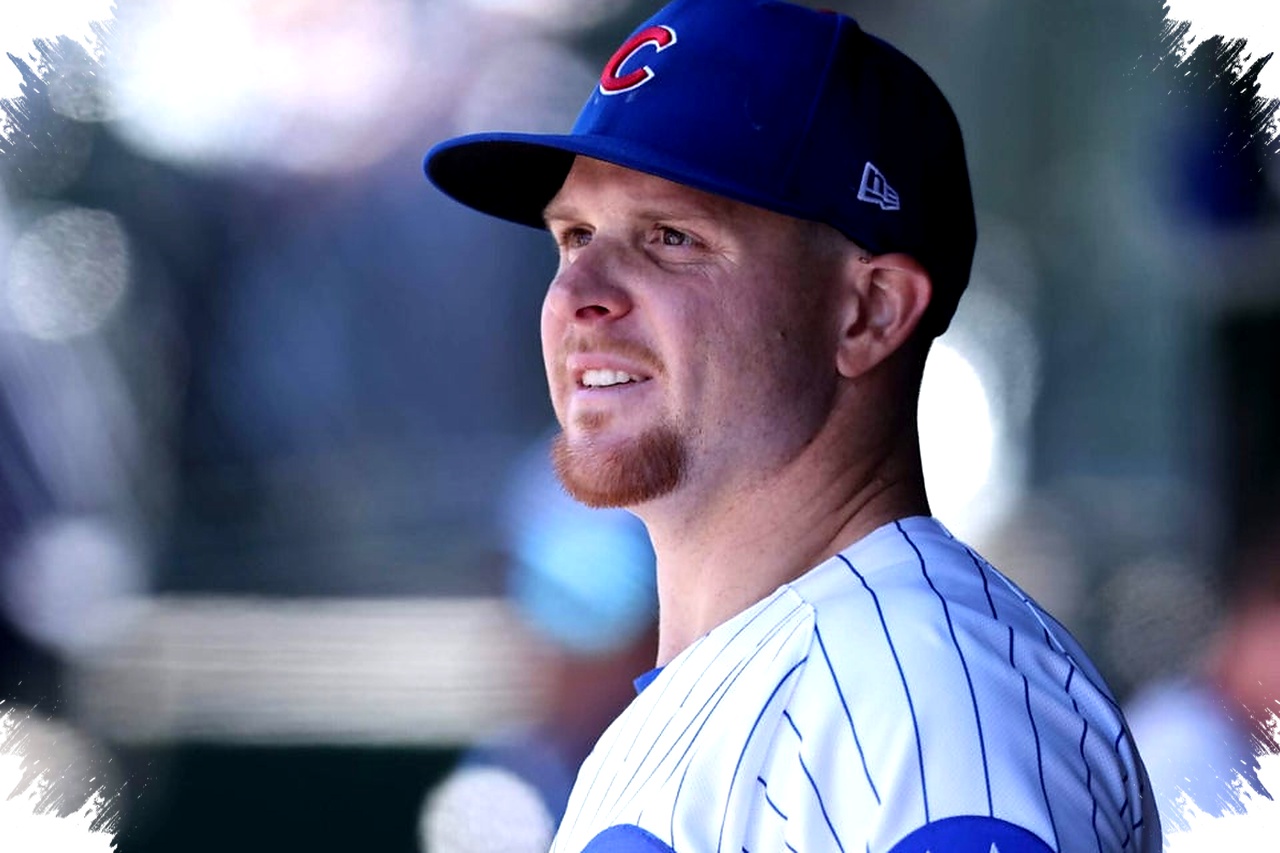
The Chicago Cubs are preparing a bigger stage for Cade Horton, a right-hander who has already shown the stuff and poise of a future frontline starter. The team sees his next step as a controlled expansion of his workload, with the goal of turning a promising homegrown arm into a dependable weapon for a club built to contend.
Horton enters that plan after a breakout season that changed his standing inside the organization. He finished second in National League Rookie of the Year voting, and he also banked a full year of major league service time, which advanced his path toward free agency.
A measured buildup, not a sudden jump


The Cubs do not want to rush Horton’s workload after protecting him carefully last season. He threw 118 innings after entering the year with only 34 1/3 innings in 2024, and the club used pitch counts to keep him on a steady track.
Cubs manager Craig Counsell said the early part of a pitcher’s season always needs close attention. “If you look at history, the first three weeks of the season for pitchers are pretty delicate,” Counsell said.
That caution did not stop Horton from producing like a top starter. He went 11-4 with a 2.67 ERA, and after the All-Star break he looked even sharper, going 8-1 with a 1.03 ERA for a team that reached October.
Why the Cubs believe the upside is real
Jed Hoyer, the Cubs president of baseball operations, has pointed to Horton’s ability to evolve as one of his biggest strengths. Hoyer said Horton can add new pitches, refine existing ones and adjust once hitters start to react to him.
“Whether it’s adding a new pitch, whether it’s refining an existing pitch, he’s a really good athlete, and he has a really good ability to develop and make changes,” Hoyer said. “As the league adjusts to him, he’ll make adjustments.”
That adaptability has helped Horton move from college standout to meaningful major league contributor. Drafted No. 7 overall in 2022 after recovering from Tommy John surgery, he also helped Oklahoma reach the College World Series and entered pro ball with a reputation for toughness and competitiveness.
Key numbers from Horton’s breakout
- 118 innings pitched last season
- 11-4 record
- 2.67 ERA
- 8-1 record with a 1.03 ERA after the All-Star break
- Finished second in Rookie of the Year voting
Horton’s late-season form showed why the Cubs are comfortable talking about ace potential. He did not overpower opponents with sheer volume, but he kept improving his mix and found ways to solve hitters as the league adjusted.
Hoyer said the second-half version of Horton looked very different from the pitcher seen in college. He credited better use of two-seam fastballs, a more effective cutter and a much stronger changeup.
Workload remains the main issue
The Cubs are still watching for signs of fatigue and will continue to manage Horton carefully. He did not throw 100 pitches in any outing last year, and he finished the seventh inning only once, which reflects how deliberately the team handled him.
Counsell said there may not be strict rules at the start of the season, but the team will keep monitoring his usage. He also acknowledged that Horton may not love being removed early, even if it serves the bigger plan.
“Frankly, it was pretty effective, so it’s something that we will kind of monitor as we go and keep an eye on it,” Counsell said.
That tension is part of the Cubs’ wider strategy. The organization is balancing Horton’s development, his health history and the demands of a roster that could play deep into the postseason.
A pitcher shaped by setbacks and expectation
Horton’s path has included both physical setbacks and rapid progress. Once a football recruit and a two-way player, he built his draft case while returning from elbow surgery and proving he could handle higher-level competition.
He is now 24 and under club control through 2030, which makes him central to the Cubs’ long-term picture. The team wants him to grow into a durable starter, but it also understands that his value rises if it protects what makes him special.
That was also clear in the playoffs, when a fractured right rib kept him out of the first two rounds. Horton said watching the team from the sidelines made the missed opportunity sting.
“I watched the rest of the playoffs, just feeling like we should be there,” Horton said. “It just leaves a taste in your mouth that keeps you going and keeps you hungry.”
For the Cubs, Horton’s hunger, adaptation and growing command are all reasons to believe the plan can work. His next outings will show how much more freedom the team is willing to give a young starter it views as one of its most important arms.
Read more at: www.nytimes.com