


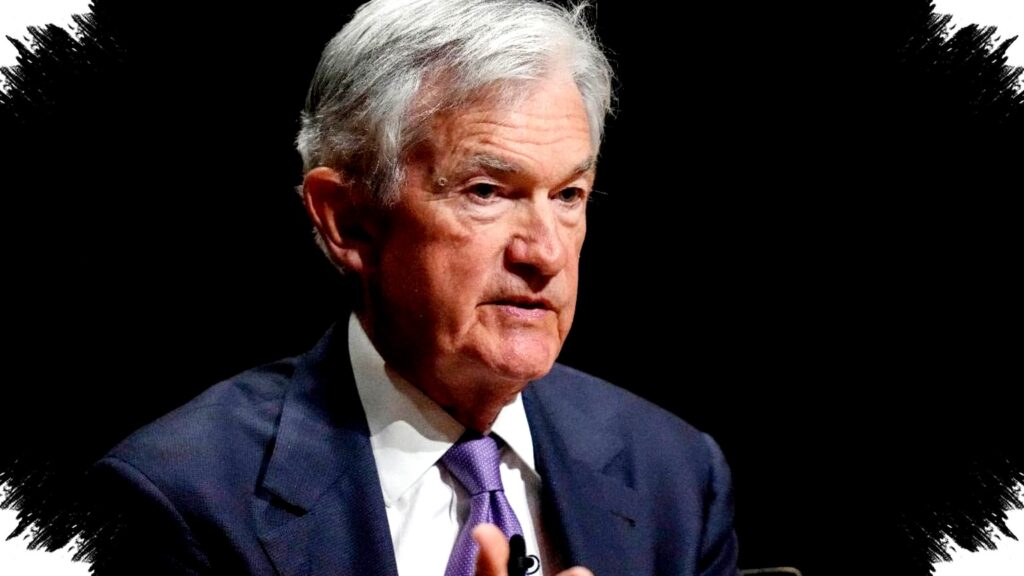
A U.S. federal judge has upheld his order blocking subpoenas tied to a criminal investigation into Federal Reserve Chair Jerome Powell, keeping the case on a path that could move to the appeals court. The ruling preserves a key legal barrier to a probe that Powell has argued is being used to pressure him over interest rates and the future of the central bank.
Chief U.S. District Judge James Boasberg, who sits in Washington, rejected the Justice Department’s request to revisit his earlier decision. He said the subpoenas issued in January were used for an improper purpose, according to his March ruling, because they appeared aimed at pushing Powell to either cut rates quickly or step aside.
What the court decided
Boasberg’s latest order leaves in place his earlier finding that the subpoenas to the Federal Reserve Board of Governors were not supported by a proper investigative purpose. He had already concluded that the requests were designed to increase pressure on Powell during a period of political tension over monetary policy.
The subpoenas came from Washington’s top federal prosecutor, Jeanine Pirro, who is viewed as an ally of President Donald Trump. They sought records tied to cost overruns in the renovation of the Fed’s headquarters and Powell’s testimony to Congress about the project.
Why the ruling matters
The decision gives Powell another legal win in a dispute that has intensified concerns about political influence over the Fed. Powell has said the investigation is a pretext to give Trump more control over interest-rate policy.
For the administration, the case has broader implications because it could slow the effort to replace Powell with a more accommodating Fed chair. Any appeal could also complicate confirmation of Kevin Warsh, Trump’s choice to succeed Powell.
Key points in the case
- The subpoenas targeted the Federal Reserve Board of Governors.
- Prosecutors said they were examining possible fraud and false statements to Congress.
- A Justice Department lawyer acknowledged in court that prosecutors did not yet know what evidence existed of a crime.
- Boasberg found the subpoenas were issued for an improper purpose.
- Pirro’s office says it is ready to appeal to the D.C. Circuit.
The Justice Department had argued that Boasberg applied too strict a standard for an early-stage investigation and misunderstood the timeline of the probe. Lawyers for the Fed countered that the judge’s first ruling was supported by “overwhelming evidence,” a point Boasberg did not disturb in his latest decision.
Possible appeal could stretch the timeline
Pirro has said her office will keep pursuing the case, and Justice Department leadership has supported an appeal, according to a source familiar with the matter. That move could send the dispute to the U.S. Court of Appeals for the D.C. Circuit and extend the legal fight for weeks or longer.
Sen. Thom Tillis, a Republican on the Senate Banking Committee, has said he will keep blocking Warsh’s nomination while the appeal is active. That stance adds a new political layer to a case that now sits at the intersection of criminal procedure, central bank independence, and the fight over the Fed’s next leader.
Powell has also said he will stay at the central bank until the probe ends. Prosecutors continue to say they are examining whether he made false statements to a congressional committee and whether fraud laws may have been violated, but the court record shows investigators still lack a clear evidentiary basis for those claims.
Why investors are watching
The case has drawn attention beyond Washington because the Fed’s leadership affects interest-rate policy, borrowing costs, markets, and the broader direction of the U.S. economy. Any move that appears to weaken the central bank’s independence can add uncertainty for investors and policymakers alike.
For now, the judge’s order keeps the subpoenas blocked and leaves the criminal investigation stalled unless an appeals court intervenes. That means the fight over Powell, the Fed, and Trump’s push for a new central bank chief is likely to remain active in the weeks ahead.