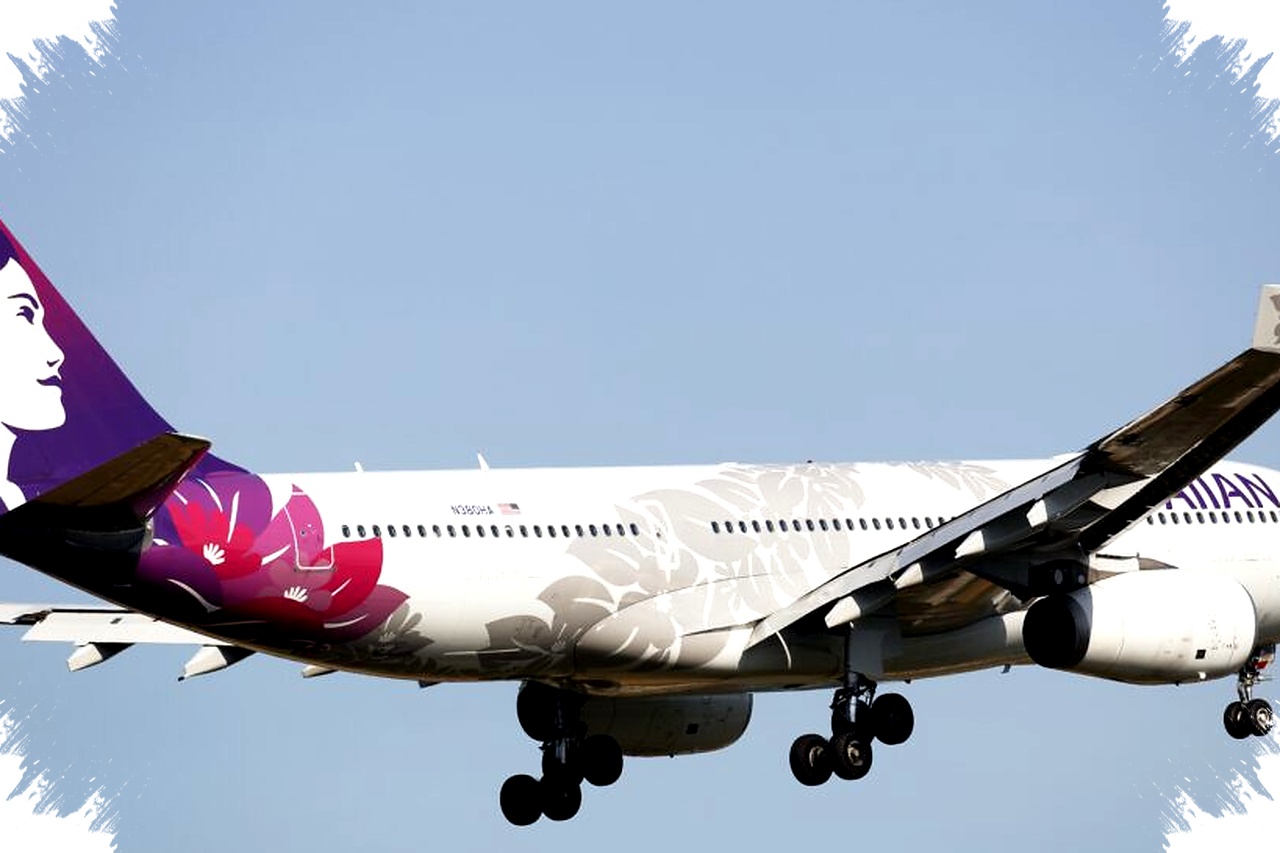
Hawaiian Airlines pilots will have to give up their beards later this month as the carrier aligns itself more closely with Alaska Airlines after their merger. The change takes effect on April 20, when Hawaiian updates its Flight Operations Manual and moves to the same uniform and grooming standards used by Alaska pilots.
The policy shift affects one of the few major U.S. airline groups where Hawaiian pilots had been allowed to keep facial hair. Hawaiian’s long-standing exception reflected local cultural sensitivities in Hawaii and a different reading of Federal Aviation Administration guidance on pilot oxygen masks.
Why the beard rule is changing

The merger requires both airlines to operate under a single operating certificate, which means the combined group must standardize safety, training, and appearance rules. Although Hawaiian and Alaska will continue to fly as separate brands, the operational framework behind the scenes is being brought into one system.
According to reports first cited by Airline Geeks, Alaska Airlines Group chief pilot Scott Day told Hawaiian pilots that facial hair would no longer be allowed because it must meet specific requirements tied to FAA guidance and flight deck safety. The message marked a clear end to Hawaiian’s rare exemption.
What Alaska Airlines said to pilots
The change has triggered frustration among some pilots, especially those who have worn beards for years. Alaska Airlines Group vice president of flight operations Dave Mets said he understood the policy would not be popular, while stressing that the company did not want to diminish Hawaiian culture.
His comments appeared aimed at easing concerns inside the combined operation as the airline group works through a broader integration process. The grooming rule, however, is now part of that transition and is expected to be enforced across the merged flight operations structure.
A long-running debate over safety
The FAA has never outright banned beards for pilots, but long-standing advisory guidance has warned that facial hair could weaken the seal of emergency oxygen masks. Many airlines have treated that advisory as a practical ban, even though the FAA has not formally made facial hair illegal for pilots.
That interpretation has been disputed for years, and newer research has added pressure to the old rule. A study published in the Journal of Aerospace Medicine and Human Performance found that beards did not reduce the effectiveness of pilot oxygen systems in controlled testing.
What the research found
Researchers at Embry-Riddle Aeronautical University tested 24 volunteers in a hypoxia chamber to simulate decompression at high altitude. The group included clean-shaven participants, men with short beards, and others with long beards more than 10mm in length.
The study found no meaningful difference in the time it took to put on oxygen masks, and no difference in oxygen saturation during the tests. Researchers also checked whether fumes could get through the masks, and none of the participants detected any odor.
A 2016 Air Canada-commissioned study reached a similar conclusion, and Air Canada later dropped its beard prohibition for pilots.
Why airlines still differ
Despite those findings, not every airline has moved in the same direction. Qantas introduced a beard ban for pilots at its short-haul QantasLink unit in 2025 after a safety review by British defense and aerospace company QinetiQ raised concern that facial hair could interfere with a quick-donning oxygen system.
That split shows how aviation policy still depends on how each carrier weighs risk, regulatory guidance, and operational consistency. As long as the FAA advisory remains unchanged from its 1987 language, many airlines are likely to continue relying on conservative interpretations.
What Hawaiian pilots now need to know
- Beards will no longer be authorized under the updated Hawaiian flight operations rules.
- The rule takes effect on April 20, when the manual changes come into force.
- Hawaiian and Alaska will keep separate brand identities, but not separate operating standards.
- Grooming and uniform rules will now follow the same companywide framework.
- The policy is tied to FAA guidance and the merged carrier’s single-certificate structure.
For Hawaiian pilots, the practical impact is immediate and personal, even as the company argues the move is part of a broader operational standardization. The rule now places Hawaiian in line with Alaska Airlines’ existing approach, leaving the combined carrier with one set of grooming standards as the integration continues.
Read more at: www.paddleyourownkanoo.com