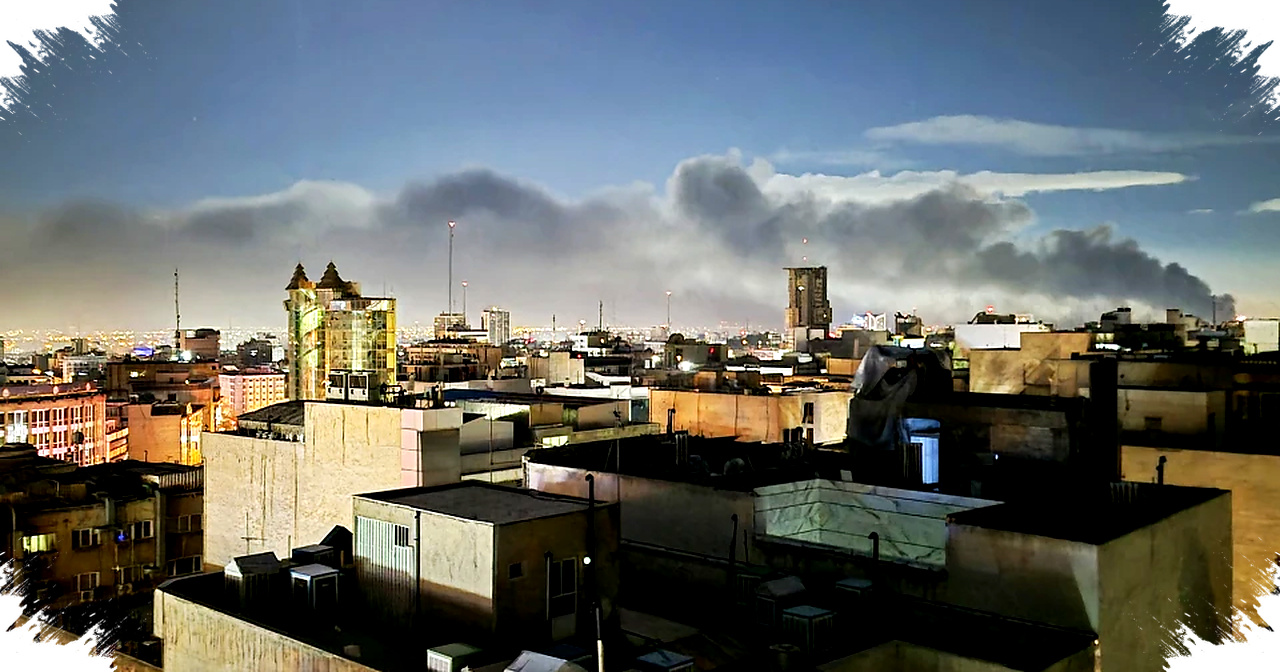
President Donald Trump said he does not know whether the latest U.S. moves will help wind down the war with Iran or push the conflict into a more dangerous phase. His comments came as tensions in the Middle East continued to rise, with Israeli strikes, regional retaliation threats, and wider fears of escalation dominating global attention.
The uncertainty reflects how quickly the conflict has widened and how little room remains for miscalculation. Trump’s remarks also highlight the risk that any new U.S. action could either pressure Tehran toward restraint or deepen the confrontation.
Trump signals uncertainty on the war’s direction

Trump declined to offer a clear answer when asked whether the situation was moving toward de-escalation or a broader war. His response underscored the volatility of the crisis and the lack of a visible diplomatic track that could quickly ease the confrontation.
The war has already drawn in multiple actors across the region, and analysts say every statement from Washington now carries extra weight. A single shift in tone or military posture could influence how Iran, Israel, and allied groups respond in the coming days.
Mounting pressure across the region
The conflict has created severe humanitarian and security pressure beyond the battlefield. In Lebanon, more than 1,000 people have been killed and over 1 million displaced in recent weeks, according to figures cited in the reference material.
The fighting has also disrupted ordinary life for migrant workers and other civilians who depend on stable local conditions to survive. Many have lost jobs, housing, and access to basic support as strikes continue and businesses shut down.
Migrant workers bear the impact
One of the people affected is Matennah Sawanah, a 33-year-old from Sierra Leone who had been working at a hotel in Sidon for about $300 a month. After the hotel closed because of the bombing campaign, she lost her income and began sharing a cramped apartment with 24 other women.
Sawanah said the situation has left many workers with no financial safety net, telling NBC News, “There is no job for us. It’s really hard,” and adding, “We don’t have money to pay rent.” Her case reflects a broader pattern in which migrant laborers are often among the first to feel the shock of war.
A regional workforce under strain
The International Labor Organization says there are more than 24 million migrant workers across the Arab world. Many work in sectors such as hospitality, construction, domestic service, and retail, where conflict can erase income overnight.
Labor rights advocates say the widening war has placed those workers in a vulnerable position because they may not know where to seek shelter, legal help, or emergency support. Mustafa Qadri, founder and CEO of Equidem, said some migrant workers fear that “a bomb could come at any time,” and some are unsure how to access bomb shelters.
Humanitarian response remains uneven
Local officials in Lebanon say aid efforts are being expanded to cover all displaced people, including Lebanese citizens, refugees, and migrants. Mortada Mhanna, head of the disaster unit in Tyre, said, “We are treating all displaced people the same. A displaced [person] is a displaced [person], regardless of his identity — whether a Lebanese, a refugee or a migrant.”
He added that responders try to find shelter and basic supplies for anyone who arrives seeking help. That approach comes as communities along Lebanon’s coast face continuing instability and limited resources.
Key pressure points in the conflict
- Israeli strikes against Hezbollah have disrupted civilian life in southern Lebanon.
- More than 1 million people have been displaced in the latest phase of violence.
- Migrant workers have lost jobs, housing, and access to income.
- Humanitarian groups warn that shelter access remains uneven and unclear.
- U.S. policy statements now carry heightened risk because of the conflict’s regional spillover.
Sawanah, who moved to Lebanon in 2020, has been helping other migrant workers try to stabilize their lives even as she faces the same uncertainty. She said she hopes to return to work if conditions improve, adding, “If they open, I will go to find money. I cannot sit like this.”
Her words capture the wider reality facing families and workers caught in a conflict that still has no clear end point, while Trump’s uncertainty about whether the U.S. is winding it down or escalating it reflects just how fragile the situation remains.
Read more at: www.nbcnews.com