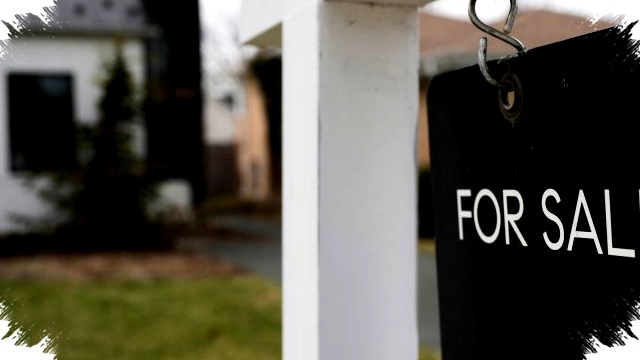
The housing market is entering another uncertain stretch as spring buying season gets underway and interest rates remain high. Homebuyers and sellers are being asked to weigh not only affordability, but also broader economic pressure from rising fuel costs, market volatility, and concerns about job stability.
Mortgage rates rose for the fifth straight week to 6.46%, according to Freddie Mac, reaching their highest level in seven months. That move adds pressure to a market that had already been slowed by years of weak sales and limited affordability.
What is changing in the market
Economists had expected more activity in the housing market if more homes reached the market and price growth continued to cool. Instead, fresh uncertainty tied to the US-Israeli war with Iran is shaping buyer and seller sentiment at a time when confidence was already fragile.
Higher mortgage rates can make monthly payments more expensive even when home prices are flat. For many buyers, that can reduce the number of homes they can afford, while sellers may face fewer qualified offers and longer listing times.
Why the economic backdrop matters
The pressure is not coming from housing alone. Average gas prices recently climbed to the highest level since 2022, stocks have been swinging sharply, and questions are growing about the strength of the labor market.
That combination can influence major financial decisions, especially for households already stretched by inflation and borrowing costs. A home purchase is often the largest transaction a family makes, so even small changes in rates or income expectations can alter plans quickly.
What buyers and sellers are watching
| Factor | Possible effect on housing decisions |
|---|---|
| Higher mortgage rates | Raises monthly payments and can reduce buying power |
| Rising gas prices | Adds pressure to household budgets |
| Stock market volatility | Can affect confidence and down payment funds |
| Labor market worries | May make buyers and sellers more cautious |
For buyers, the main question is whether to move now or wait for conditions to improve. For sellers, the issue is whether demand will remain strong enough to support a listing price that reflects current financing costs for buyers.
How the market may respond
If borrowing costs stay elevated, activity may remain uneven even if more homes are listed. Some buyers may stay on the sidelines, while others may focus on smaller homes, different neighborhoods, or negotiated price cuts.
If economic uncertainty continues to build, the spring market could become more sensitive to every shift in rates, jobs, and consumer confidence. That makes the coming weeks important for anyone trying to buy or sell a home, especially as households decide whether current conditions are manageable or too risky to commit.
Read more at: www.cnn.com