


Iranian Foreign Minister Abbas Araghchi met his Chinese counterpart in Beijing as Tehran pushes for diplomatic backing amid the war and growing pressure over the Strait of Hormuz. The talks came just one week before US President Donald Trump is expected to arrive in China for a rare face-to-face meeting with Xi Jinping.
The meeting adds another layer to a tense moment in the conflict, with Washington pressing Beijing to use its influence on Tehran while Iran seeks support from one of its most important partners. China has remained a key player in the background, both as Iran’s largest oil importer and as a country that has tried to help mediate the dispute without taking a direct public role.
China’s quiet but important leverage
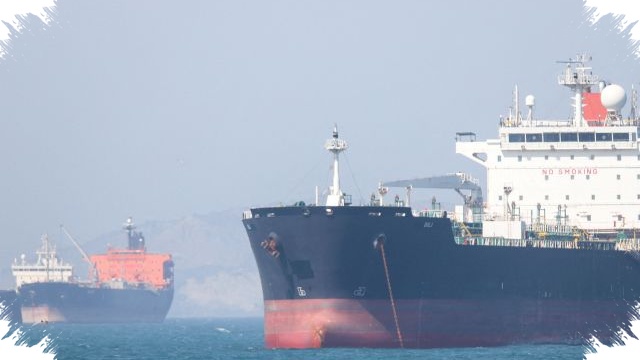
China’s influence matters because trade and diplomacy are linked in this conflict. US officials have said Beijing could help pressure Iran to reopen the Strait of Hormuz, a vital shipping route that affects global energy flows.
Treasury Secretary Scott Bessent, who has been leading preliminary talks with China before Trump’s visit, said Beijing should do more to ensure ships can pass through the strait. “Let’s see if China – let’s see them step up with some diplomacy and get the Iranians to open the strait,” Bessent told Fox News.
US Secretary of State Marco Rubio also sharpened the message on Tuesday, accusing Iran of “trying to hold hostage the global economy.” He added, “I hope the Chinese tell him (Araghchi) what he needs to be told, and that is that what you are doing in the straits is causing you to be globally isolated.”
Pressure rises as trade and sanctions collide
The diplomatic push comes as Washington has also increased economic pressure on China. The US has targeted China’s so-called teapot refineries, which buy sanctioned oil from Iran, and Beijing has responded by telling its refineries not to comply with or enforce US sanctions.
That back-and-forth shows how the war has reached far beyond the battlefield. It now touches energy markets, sanctions enforcement and the wider relationship between Washington and Beijing, especially with Trump preparing to meet Xi in person.
Iran is also trying to project confidence through its ties with China. After the Beijing meeting, Araghchi said cooperation between Iran and China will be “stronger than ever,” and Iranian state media Mehr quoted him calling China “a sincere friend of Tehran.”
Oil markets react to the latest signals
The Strait of Hormuz remains central to the market response because any disruption there can quickly raise concerns about supply. As diplomatic efforts intensify and pressure builds for a pause in the confrontation, oil prices have dropped, reflecting the market’s sensitivity to signs that the situation may not escalate immediately.
Trump’s China trip is scheduled for May 14-15, according to the White House, and it could become a key moment for discussions that run well beyond trade. For now, the focus remains on whether China will play a stronger role in urging Iran to ease pressure on the strait, while Tehran continues to lean on Beijing as it navigates the war and its fallout.