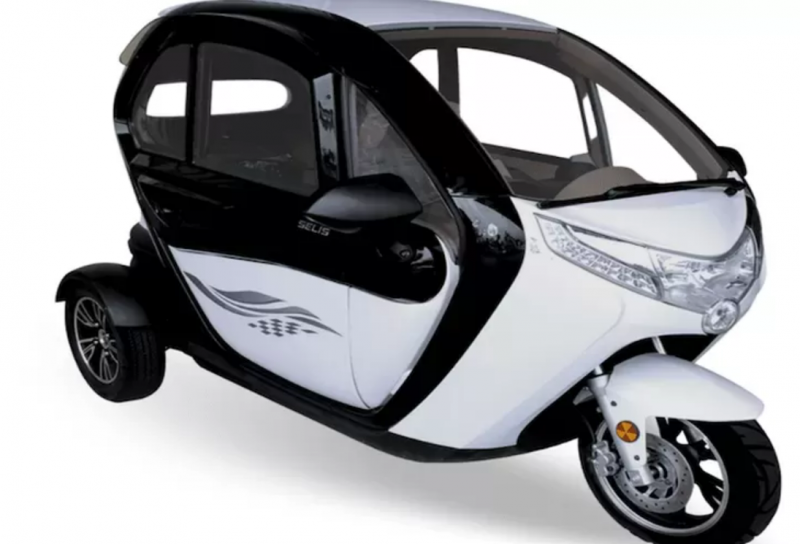
Growing interest in electric vehicles is changing the way people in Indonesia think about urban mobility. Not only two-wheeled motorcycles, but now three-wheeled electric vehicles are becoming more popular because they offer extra stability, safety, and efficiency for a wider audience. These modern vehicles are increasingly seen as a reliable option for seniors, small businesses, and environmentally-conscious individuals seeking practical, low-emission transportation.
Many readers want to know the strengths and weaknesses of electric three-wheelers as well as which models currently lead the market. Here are eight top recommendations for electric three-wheel motorcycles in Indonesia for use in the coming year, along with their respective advantages and disadvantages based on the latest data and trusted reports.
Main Advantages of Three-Wheeled Electric Motorcycles

Three-wheeled electric motorcycles bring inherent stability that two-wheelers often lack. This makes them much safer and easier to handle for beginners, elderly people, or anyone carrying heavy goods. The risk of slipping or falling, especially at a standstill, is drastically reduced, offering peace of mind in daily use.
Another major advantage is their environmentally-friendly nature. These vehicles run on batteries and produce zero tailpipe emissions, helping users significantly lower their carbon footprint. This is vital in urban centers, where air quality is a growing concern.
Operational costs are also lower than those of traditional fuel-powered motorcycles. Electricity is usually cheaper than gasoline and diesel, and with fewer moving mechanical parts, maintenance becomes less expensive. These vehicles are versatile as well; they can serve for cargo delivery, daily commutes, and even as transport solutions for mobility-impaired users.
Potential Drawbacks of Three-Wheel Electric Vehicles
Despite the clear strengths, there are important limitations to consider. The wide dimension of these vehicles means their maneuverability is restricted in narrow alleys or heavy traffic situations. In urban environments with limited space, this can be a considerable challenge.
Speed is also a limiting factor. Most popular models currently reach between 35 and 60 kilometers per hour. This is sufficient for urban and suburban use, but not suitable for intercity travel or highway speeds.
The range of these vehicles depends entirely on battery capacity. Some models require several hours to fully recharge, and users must carefully plan routes to avoid running out of power mid-trip. Larger body size means they need more parking space and may not fit in small home garages.
Pricing is another obstacle, especially for models with advanced features like enclosed cabins, air conditioning, or solar panels. As technology develops, prices are expected to decrease, but as of now, electric three-wheelers are still premium products in their segment.
Top 8 Three-Wheeled Electric Motorcycles for the Coming Year
The following models are among the best options currently available in Indonesia. Here’s a quick guide to their features, supported by the latest market data and manufacturer information:
-
Selis New Balis
- Design: Semi-enclosed, reminiscent of bajaj vehicles
- Typical Range: 50–60 kilometers per charge
- Top Speed: 40 km/h
- Main Use: City transport, high weather protection
-
Selis Eagle X-Tra R3
- Unique Feature: Twin rear wheels for extra stability
- Range: 45–50 kilometers
- Top Speed: 35–40 km/h
- Battery: Removable lithium, easy to swap or recharge
-
Selis Bromo
- Look: Futuristic, compact like a mini-coupe
- Features: Air conditioning, fan, safety belt, solar panel
- Range: Up to 100 kilometers per full charge
- Performance: Top speed 60 km/h
-
Viar RE3
- Suitable for various commercial and personal uses
- Offers dependability with robust construction
- Market feedback points to usability and ease of maintenance
-
Volta 501
- Purpose: Designed for goods delivery
- Payload: 300–400 kilograms
- Range: Up to 80 kilometers
- Options: Comes as open tray, closed box, and dump variant
-
Solaris R-3 Balis
- Notable for its balance between price and features
- Gaining popularity among new urban businesses
-
Uwinfly R3 Maleo
- Focused on efficient local transport
- Recognized for ease of use and straightforward controls
- Zeus E-Trike
- Local innovation, developed with leading universities
- Variants: Open cargo, closed cargo, and passenger
- Range: 80–100 kilometers
- Speed: 50–60 km/h
The table below can help summarize key specifications found in the available data:
| Model | Range (km) | Max Speed (km/h) | Key Features | Target Usage |
|---|---|---|---|---|
| Selis New Balis | 50–60 | 40 | Semi-enclosed, stable | City passenger transport |
| Selis Eagle X-Tra | 45–50 | 35–40 | Removable battery, twin rear wheels | Urban daily usage |
| Selis Bromo | Up to 100 | 60 | AC, solar panel, safety belt | Family/personal use |
| Viar RE3 | N/A | N/A | Solid build, versatility | Commercial/general |
| Volta 501 | Up to 80 | N/A | 300–400 kg load, flexible tray option | Small logistics/delivery |
| Solaris R-3 Balis | N/A | N/A | Value-for-money features | Small businesses |
| Uwinfly R3 Maleo | N/A | N/A | Simple controls, maneuverable | Local communities |
| Zeus E-Trike | 80–100 | 50–60 | University R&D, multiple body types | Urban and commercial |
Quick Overview: Pros and Cons of Electric Three-Wheelers
Here’s a concise list of what you need to consider before choosing a three-wheeled electric motorcycle:
Advantages
- Superior balance and stability
- Zero emissions, eco-friendly operation
- Low running and maintenance costs
- Multipurpose usage for families, elderly, and small business
Drawbacks
- Less agile in crowded or tight spaces
- Lower top speed than conventional motorcycles
- Heavily reliant on battery charging schedules
- Bulkier than typical motorcycles, needs more parking space
- Higher purchase price for enhanced models
Modern Mobility Solutions for Urban Challenges
With improved infrastructure and government support for clean transportation, electric three-wheel motorcycles have a promising road ahead. Manufacturers continue to refine these vehicles with better battery range, user-friendly features, and more affordable price options. This category delivers a genuine alternative for Indonesians seeking to upgrade their mobility to modern, sustainable standards. As consumer education improves and cities become friendlier to eco-friendly vehicles, three-wheeled electric motorcycles could soon transform how people move, work, and live in bustling metropolitan areas.