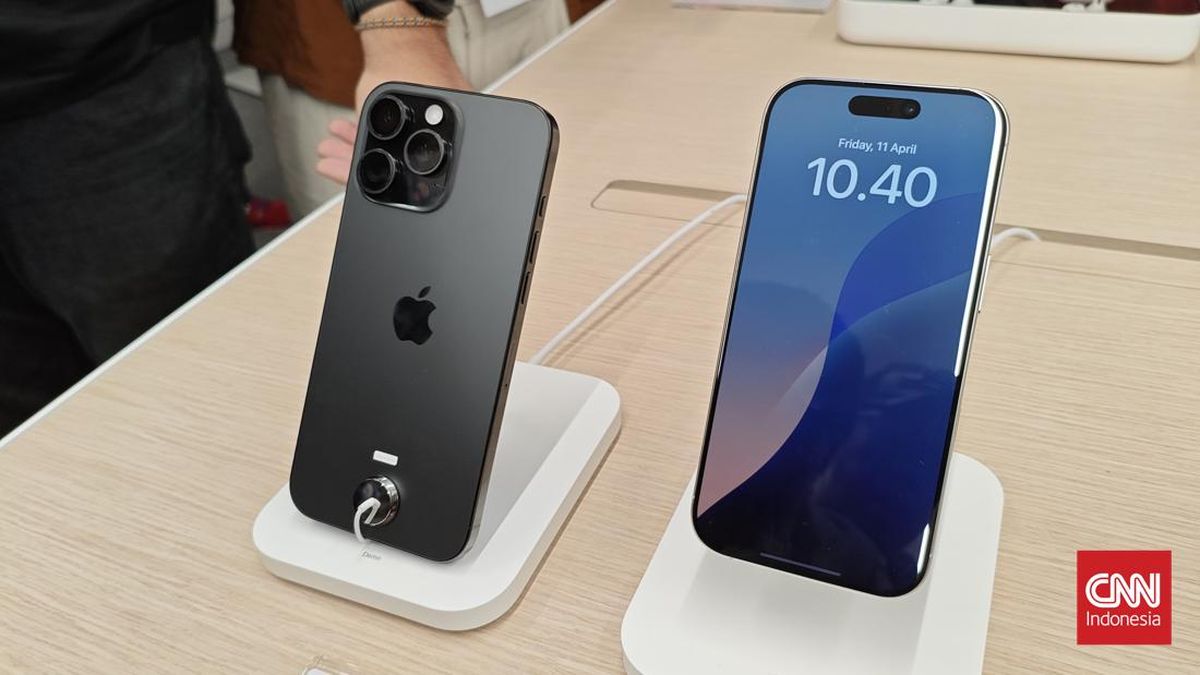
Apple and Samsung continue to dominate the global smartphone market with their latest models consistently topping the sales charts. Data from Counterpoint Research underscores this trend, confirming both brands as the main players behind the ten best-selling smartphones worldwide in the second quarter.
During this period, the top three spots belong entirely to Apple’s iPhone 16 lineup. The base model holds the number one position, leading over the Pro Max and Pro variants in the following places. This ranking remains unchanged from the previous quarter, highlighting the sustained demand for the newest iPhones across major markets.
The World’s Best-Selling Smartphones: Top 10 List
Counterpoint Research’s latest report provides a detailed list of the highest-grossing smartphone models. Apple’s continued dominance becomes even clearer, as its products occupy multiple spots at the top. Here is the current ranking of the ten best-selling smartphones:
- iPhone 16 (base model)
- iPhone 16 Pro Max
- iPhone 16 Pro
- Samsung Galaxy A16 5G
- Samsung Galaxy A06 4G
- iPhone 16e
- Samsung Galaxy A16 4G
- Samsung Galaxy S25 Ultra
- Xiaomi Redmi 14C 4G
- iPhone 15
The data shows that Samsung’s latest Galaxy A16 5G and Galaxy A06 4G have successfully climbed the ranks, each moving up one spot and overtaking the previous generation iPhone 15. These gains highlight the increasing consumer interest in Samsung’s affordable and reliable mid-range models. Sources attribute this performance to updated features and superior value propositions in Samsung’s new releases, particularly attractive to buyers in developing markets.
Apple continues to appeal to various market segments. The iPhone 16e, which sits at sixth on the list, is recognized for its affordability and strong sales in Japan and the United States. Analysts credit Apple’s ability to offer a more economical option without sacrificing core features as a significant factor behind its sustained popularity.
Xiaomi also makes its mark with the Redmi 14C 4G at ninth position. Success for this entry-level smartphone is fueled by its rising popularity in emerging regions such as Latin America, the Middle East, and Africa. Unlike other brands that focus primarily on developed economies, Xiaomi’s efforts to expand its reach to new markets are being rewarded with impressive sales figures.
The lower end of the top ten reflects shifting preferences among consumers. The iPhone 15 drops to tenth place, slipping from fourth position the previous quarter. Market observers note this as part of the broader industry trend where the newest models generate stronger momentum, while older flagships see gradually declining sales.
On the other hand, several models that were part of the previous quarter’s top ten are no longer included. The Samsung Galaxy A55 and Apple’s iPhone 16 Plus, known for their midrange and battery life advantages, have exited the list. This further highlights the dynamic and competitive nature of smartphone sales, where consumer choices can quickly change the market landscape.
Indonesia’s Smartphone Market: Brands and Performance
In Indonesia, the smartphone industry saw a contraction, with shipments declining by 7 percent year-on-year. Many brands experienced decreased sales amid weaker consumer demand and ongoing economic uncertainties. However, Samsung and Xiaomi stood out, posting growth despite the overall negative trend.
Samsung’s shipment increase by 20 percent year-on-year is particularly notable, representing the largest positive shift among major brands. Industry analysts cite Samsung’s focus on integrating 5G technology in its Galaxy A series as a key driver. Samsung’s active marketing campaigns, buyback programs, and appealing installment payment options also helped boost consumer interest and improve brand visibility in Indonesia.
Xiaomi leads the Indonesian market with a 21 percent share, securing the top position for the second consecutive quarter. The company continues to expand its offline retail presence and introduces a broader range of products, both in the entry-level and mid-range segments. The recently launched Xiaomi 15 series and Poco F7 have performed exceptionally well, delivering better battery life and enhanced performance that meet the evolving needs of local consumers.
Xiaomi’s consistent promotional efforts and pricing strategies have enabled it to maintain leadership across entry-level segments. Meanwhile, the brand is gradually increasing its presence in the more competitive mid-range and premium categories, leveraging aggressive deals and partnerships to attract new customers.
Two other prominent brands, OPPO and vivo, recorded year-on-year declines of 14 percent and 29 percent, respectively. Both companies have adjusted their strategy toward the higher price tiers, resulting in fewer launches at entry-level price points. This gap is compounded by dwindling demand in the premium segment, making it more challenging for these brands to retain momentum.
Key Factors Behind Market Performance and Shifting Demand
Experts highlight several core factors contributing to the performance of top-selling smartphones. For Apple, early adoption of advanced hardware, reliable software updates, and strong brand recognition are consistent growth drivers. Each new iPhone release generates high demand, amplified by effective marketing campaigns and aspirational branding in developed markets.
For Samsung, diversification remains essential. The introduction of 5G capabilities in midrange devices and aggressive trade-in programs play a crucial role in maintaining the brand’s relevance across emerging economies. By offering accessible devices with competitive features, Samsung meets the requirements of a wide range of consumer budgets.
Xiaomi’s approach stands out through its focus on competitive pricing, consistent portfolio expansion, and willingness to explore under-penetrated regions. The company’s ability to adapt quickly to local needs and prioritize offline retail strategies has ensured strong positioning, especially in countries like Indonesia.
Recent shifts in consumer interest away from some established models demonstrate the speed at which the smartphone market changes. Devices that fail to offer noticeable upgrades or do not address localized preferences can quickly lose their standing as new contenders enter the scene.
With Apple, Samsung, and Xiaomi maintaining their grip on both global and regional markets, consumers continue enjoying broad choices based on cutting-edge technology, price sensitivity, and trusted after-sales support. Industry analysts predict the rankings may shift again soon, as brands keep innovating and responding to evolving user demands.