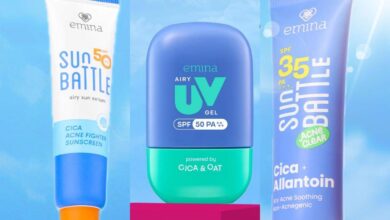
Retinol serum is gaining immense popularity among skincare enthusiasts for its powerful anti-aging and skin brightening effects. Many beginners, however, express concern over irritation, redness, or dryness when introducing retinol into their skincare routines. Addressing these issues with proper product selection and usage is crucial for healthy, glowing skin without unwanted side effects.
The Indonesian Food and Drug Authority (BPOM) remains vigilant about the ingredients used in cosmetics. Authorities actively ban substances proven hazardous for the skin or body, emphasizing the importance of checking every product’s ingredient list before purchase. Understanding which serum retinol is safe for beginners, and which cosmetic ingredients are forbidden, helps consumers make informed, safer choices.
How Retinol Works and Why Proper Introduction Matters


Retinol is one of the most well-researched forms of vitamin A and is widely recommended by dermatologists. It works by accelerating cell turnover, which helps fade fine lines, even out skin tone, and boost natural collagen production. According to dermatology research, incorporating retinol gradually is critical, especially for those who have sensitive skin or have never used active ingredients before.
Experts suggest beginners start with a low-concentration serum, ideally between 0.25% to 0.3%. Using such serums one to two times per week allows the skin to adjust, which helps minimize the risk of redness, excessive peeling, or dryness that can occur if retinol is introduced too aggressively. For pregnant or breastfeeding women, retinol products are not recommended, as stated in various clinical guidelines.
Safe Retinol Serum Recommendations for Beginners
There are several retinol serums on the market suitable for those just starting out with this ingredient. Credible brands usually indicate the percentage of retinol and often blend it with hydrating or soothing ingredients to counteract possible irritation.
Here are three recommended serum retinol products ideal for beginners:
- Serum with 0.25% Pure Retinol: Offers gentle but visible effects on fine lines and dull skin. Often paired with hyaluronic acid to maintain hydration.
- Serum with 0.3% Encapsulated Retinol: Designed for controlled, slower release on the skin, reducing the risk of sudden irritation while still promoting cell turnover.
- Serum with Retinol, Peptides, and Vitamin E: This combination not only helps fight signs of aging but also soothes and repairs the skin barrier, making it suitable for those new to active ingredients.
These choices are preferred by skincare experts due to their balanced potency and minimized risk profile. They can be used on alternating nights, and always in combination with sunscreen during the day, since retinol may increase sun sensitivity.
How to Use Retinol Serum Safely
Introducing retinol requires a step-by-step approach to avoid discomfort and maximize effectiveness. Here are the main guidelines for beginners:
- Start Low and Slow: Apply retinol serum just one to two times per week at night.
- Check for Redness or Peeling: If irritation occurs, reduce frequency and moisturize well.
- Avoid Mixing With Other Actives: Don’t combine with products containing acids or vitamin C to prevent excessive irritation.
- Never Use During Pregnancy or Breastfeeding: Retinol’s effects on fetal development are not fully understood and should be avoided.
- Always Apply Sunscreen: Skin becomes more sensitive to sun when using retinol, so broad-spectrum SPF is critical.
Following these steps greatly reduces the side effects often associated with retinol introduction.
BPOM’s Ban on Certain Hazardous Cosmetic Ingredients
BPOM frequently updates the public on substances that are prohibited in cosmetic formulations. According to official communications, several chemicals are strictly forbidden due to their negative health impacts, ranging from skin disorders to potential systemic toxicity.
Here are four dangerous ingredients banned by BPOM:
| No | Banned Ingredient | Possible Side Effects |
|---|---|---|
| 1 | Mercury (Merkuri) | Skin discoloration (ochronosis), kidney damage, neurological issues, allergies, vomiting |
| 2 | Hydroquinone | Severe irritation, could trigger cancer with prolonged use |
| 3 | Retinoic Acid (Acid Retinoat) | Can cause peeling, excessive dryness, and harm to unborn children (teratogenic risk) |
| 4 | Steroids (Topical) | Skin thinning, hormonal disruption, increased infection risk |
BPOM also prohibits certain artificial dyes, such as K3/K10 or Acid Orange7, as they are linked to severe allergic reactions and possible toxicity.
How to Identify Safe Cosmetic Products
For consumers, it is vital to recognize which products are safe and approved for use. The following checklist can be used during shopping or before incorporating a new cosmetic item into your routine:
- Check BPOM Registration: Ensure the product is registered and has a BPOM number.
- Read the Full Ingredient List: Look out for any substances on the BPOM forbidden list.
- Consider the Formulation: For skin treating actives like retinol, choose reputable brands and avoid high concentrations unless under dermatological supervision.
- Seek Clinical Evidence: Look for products with clear, evidence-based claims supported by dermatological or clinical studies.
- Avoid Unlabeled or Unregulated Products: Never purchase cosmetics from untrusted sources or that come without full ingredient disclosure.
The Role of Public Awareness and Industry Responsibility
Educating the public about the risks of certain cosmetic ingredients helps reduce the incidence of adverse skin reactions. BPOM’s bans are an essential safety measure, but consumer vigilance remains the final line of defense. Reputable skincare manufacturers play a part by transparently labeling products and offering formulations designed for sensitive or beginner users.
Current trends show growing interest in safe, effective skincare, particularly among younger users. With the right information and careful product selection, anyone can safely incorporate retinol into their routine while steering clear of harmful banned substances.
Developing the habit of checking product labels, understanding what each ingredient does, and regularly consulting with skincare professionals will help users achieve healthier skin without compromising safety. The benefits of retinol remain significant, but informed, cautious use is necessary for the best results and skin protection according to BPOM standards.