


Vietnam’s plan to ban gasoline motorcycles from entering the center of Hanoi starting in 2026 has sparked serious concerns among Japan’s government and major automakers. This policy aims to curb urban air pollution, but Japanese officials and industry associations have warned that such a rapid change could have significant consequences for the country’s economy and workforce.
The government of Vietnam, through a directive from Prime Minister Pham Minh Chinh, announced the intention to prohibit fuel-based motorcycles in Hanoi’s central area as part of wider efforts to improve air quality. Discussions have also been held regarding a broader ban that may extend across the country by 2028, as highlighted in a Reuters report.
Japan’s Official Response to the Ban
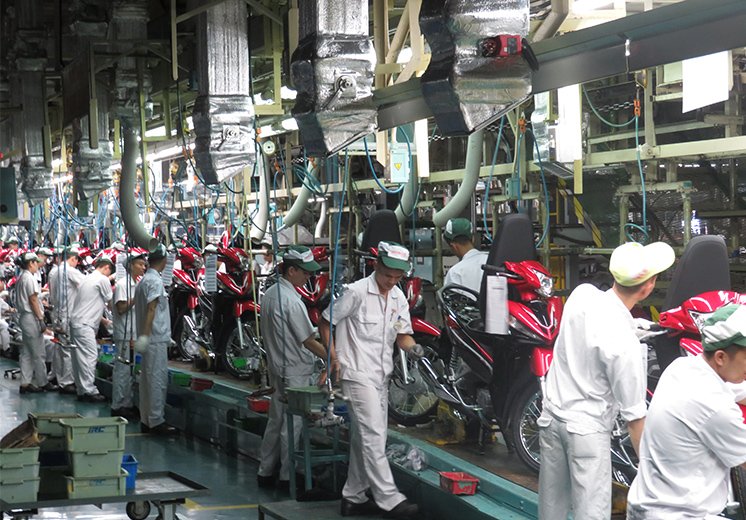
Recognizing the potential risks, the Embassy of Japan in Hanoi formally addressed the Vietnamese authorities. In an official letter, Japanese diplomats expressed their concern that an abrupt gasoline motorbike ban could disrupt not only manufacturers but also the extensive network of supporting industries, including around 2,000 dealers and nearly 200 component suppliers.
A Japanese government official stated the document was delivered as a direct response to Vietnam’s newly revealed policy. The embassy’s note emphasized that such a measure could result in widespread job losses throughout the expansive motorcycle supply chain, which supports hundreds of thousands of workers in the country.
Japan’s message urged Vietnam to devise a more realistic and phased electrification roadmap. They advised implementing gradual preparations before rolling out such a sweeping prohibition, rather than opting for swift enforcement without a transition period.
Motorcycle Industry’s Warnings and Data
Japan’s concerns were echoed by the Foreign Motorcycle Manufacturers Association of Vietnam, whose members include leading brands like Honda, Yamaha, and Suzuki. According to their written communication to officials, the proposed abrupt ban poses a real threat of causing major disruptions in production lines and even risks bankrupting companies involved in the local motorcycle supply industry.
Industry experts noted that Vietnam’s motorcycle market is massive, estimated at a value of USD 4.6 billion annually. Any acute disturbance to this sector could generate a domino effect across the wider economy, as nearly two million motorcycles are sold each year, making it one of the largest two-wheeler markets in Southeast Asia.
The association stressed that a sudden switch would endanger the livelihoods of countless workers and affect nearly every part of the distribution and maintenance network. They highlighted the following three main risks:
- Job losses for hundreds of thousands of people employed across manufacturing, sales, and maintenance.
- Production shocks and a spike in bankruptcies among the roughly 2,000 dealers and 200 parts suppliers.
- Challenges in rapidly constructing the required charging infrastructure and meeting standardized safety regulations for electric vehicles.
Key Recommendations from Industry Stakeholders
Both Japanese representatives and Vietnam’s motorcycle industry have called for the establishment of a workable transition phase. Their main recommendations include:
- Introducing a minimum two to three-year preparation period before the ban is enforced.
- Allowing manufacturers and dealers enough time to adjust their production lines and sales strategies.
- Accelerating, but carefully planning, the expansion of charging networks for electric vehicles.
- Ensuring the availability and safety of electric motorcycles through strict but realistic regulatory standards.
Without these measures, they believe the ban risks causing economic and social disruption. In their letters, industry leaders have strongly suggested that Vietnam develop consistent and coordinated policies that balance environmental concerns with the practical realities of industrial transformation.
The Context of Hanoi’s Pollution and Transportation Crisis
Hanoi, like many emerging megacities, faces an ongoing challenge with air quality due to a rapid increase in personal vehicle ownership. Motorcycles remain the transportation backbone for Hanoi’s residents, providing convenient and affordable mobility for millions daily. This dependency means that any drastic change has far-reaching effects, especially for people and small businesses whose livelihoods depend on the current system.
Government data shows that over five million motorcycles are registered in Hanoi alone. Moving away from gasoline vehicles is undeniably important for tackling pollution, yet it requires careful planning to prevent economic hardship and social unrest.
Comparison to Other Electrification Initiatives
Global trends show that a successful transition toward electric vehicles generally hinges on three core factors: infrastructure readiness, technological maturity, and public acceptance. Nations with successful electrification programs have typically invested years, often decades, in preparing relevant sectors—including upgrading charging networks, offering tax incentives, and supporting reskilling of workers.
Vietnam’s current timeline—implementing a partial ban by 2026 and expanding it by 2028—has been described by Japanese officials as ambitious, considering the scale and complexity of the country’s two-wheeler industry.
What’s at Stake for International Relations and the Market
Japan’s engagement in this issue signals the depth of Japanese investment and industrial commitment in Vietnam. Major Japanese motorcycle brands are dominant players in the Vietnamese market and have contributed heavily to building the country’s manufacturing ecosystem. A mismanaged shift to electrification, according to analysts, could discourage further investment and strain bilateral trade relations.
Vietnam’s motorbike market is a critical source of revenue, with nearly every family owning at least one two-wheeler. Japanese and Vietnamese interests are closely intertwined, and both sides recognize the need for a transition that safeguards both economic growth and environmental sustainability.
Next Steps for Policymakers and Stakeholders
Moving forward, Vietnamese policymakers are expected to review the input from Japanese authorities and domestic industry leaders. Stakeholders have indicated their willingness to collaborate on setting realistic milestones for electrification, including infrastructure development, safety certification, and consumer education campaigns.
While the need for cleaner air is widely acknowledged, stakeholders continue to highlight that sustainable change must be supported by robust planning. The debate around Hanoi’s gasoline motorbike ban is being closely monitored by other developing cities facing similar transportation and environmental dilemmas.