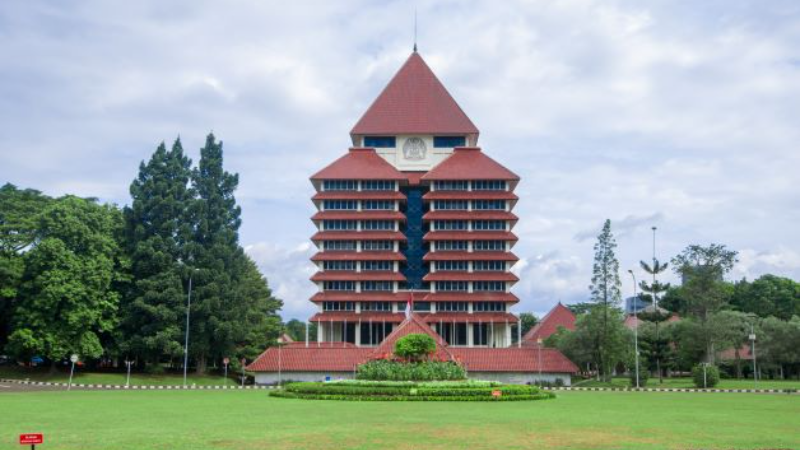
Indonesia continues to make global strides in education as more local universities secure spots among the best according to the QS World University Rankings. The latest data shows that seven state universities in Indonesia have successfully gained international recognition through their outstanding academic reputation, research quality, and innovation.
Quacquarelli Symonds (QS) not only releases the world’s most respected university rankings, but also relies on rigorous criteria to evaluate campuses worldwide. Indonesian higher education has benefited from this, with several universities moving up in the global rankings, reflecting Indonesia’s growing role on the international academic stage.
Top 7 Indonesian State Universities According to QS WUR
The following is a list of the seven best Indonesian state universities based on their latest QS WUR positions:
- Universitas Indonesia (World Rank: 189)
- Universitas Gadjah Mada (World Rank: 224)
- Institut Teknologi Bandung (World Rank: 255)
- Universitas Airlangga (World Rank: 287)
- IPB University – Institut Pertanian Bogor (World Rank: 399)
- Institut Teknologi Sepuluh Nopember (World Rank: 509)
- Universitas Padjadjaran (World Rank: 515)
These institutions have shown robust improvements through focused research, progressive international cooperation, and strong graduate employability.
Universitas Indonesia (UI): Academic Reputation and Research
Universitas Indonesia occupies the highest position in the country and is ranked within the world’s top 200 universities. QS notes that UI’s strength lies in its research impact and academic reputation. The university excels in producing outstanding graduates and is recognized for having a diverse, innovative research portfolio. According to QS, factors such as faculty quality and global reputation drive UI’s high rankings.
Universitas Gadjah Mada (UGM): Interdisciplinary Strength
UGM maintains a competitive position at 224 on the global rank. The university is known for its significant contributions to the fields of social sciences, humanities, and medical innovation. QS highlights UGM’s consistent performance in multidisciplinary research and education, making it a highly regarded institution among global employers and academics.
Institut Teknologi Bandung (ITB): Excellence in Technology and Science
ITB holds a prestigious place among engineering schools, ranked at 255 worldwide. This campus is recognized for technological innovation and breakthroughs in renewable energy, engineering, and natural sciences. ITB’s collaboration with industry and commitment to advancing science and technology underpins its rise in international rankings.
Universitas Airlangga (UNAIR): Health and Social Research
UNAIR’s achievement in entering the global top 300 is driven by its leadership in health and social sciences. The university has enhanced its research quality through increased international partnerships. QS acknowledges UNAIR’s efforts to launch impactful projects and improve academic standards, especially in healthcare and social innovation sectors.
IPB University: Agricultural and Environmental Leadership
IPB University is ranked 399 globally. It is recognized as one of the few campuses in Indonesia with a clear specialization in agriculture, food, and environmental studies. QS’s data credits IPB’s progress to its focus on applied research and innovation that supports food security and environmental sustainability.
Institut Teknologi Sepuluh Nopember (ITS): Maritime and Industrial Technology
ITS has shown rapid progress and is now ranked 509 in the world. The campus is prominent for its research in maritime engineering and industrial technologies. According to QS, ITS is consistently among the top campuses in eastern Indonesia due to strong industry linkages and innovative educational programs.
Universitas Padjadjaran (UNPAD): Research Collaboration and Global Partnerships
UNPAD rounds up the list by ranking 515 in the world. The university is respected for ongoing development in research as well as initiatives that promote global academic collaboration. UNPAD’s international programs and research excellence make it a key player in raising Indonesia’s academic profile, according to recent QS evaluations.
Key Criteria of the QS WUR
QS uses seven main indicators to rank universities. Each factor measures a specific aspect of university performance to ensure balanced, credible results.
Here is a summary table of the QS WUR assessment criteria:
| Indicator | Weight |
|---|---|
| Academic Reputation | 40% |
| Employer Reputation | 15% |
| Faculty/Student Ratio | 10% |
| Citations per Faculty | 20% |
| International Faculty | 5% |
| International Students | 5% |
| Sustainability & Social Impact | 5% |
These indicators place a strong emphasis on academic quality, research output, graduate employability, and internationalization. The methodology also integrates sustainability and social responsibility into campus evaluations, making QS WUR one of the most prestigious university rankings worldwide.
How Indonesian Universities Meet the QS Criteria
Indonesian state universities have improved their ranking by strengthening all areas evaluated by QS. For academic reputation, strategic faculty recruitment and wider industry partnerships play a crucial role. Research volume, as measured by citations per faculty, significantly affects global ranking.
Internationalization has also become a focus, with programs attracting more foreign students and academic staff. This strategic move not only raises institutional standards but also encourages knowledge exchange and cultural diversity on campus.
Graduate employability is another area where Indonesian universities have excelled by aligning academic curricula with industry needs. Innovative study programs and real-world learning opportunities are developed to ensure students gain relevant, high-demand skills.
Sustainability and social impact, the newest indicators in the QS methodology, have pushed campuses to launch more impactful projects. These efforts help solve social, economic, and environmental challenges, further boosting each university’s global standing.
Consistent progress by these seven state universities highlights Indonesia’s commitment to becoming a major player in the international education community. As more universities rise in global rankings, they create opportunities for Indonesian students to compete and collaborate on the world stage.
-

-

-

-