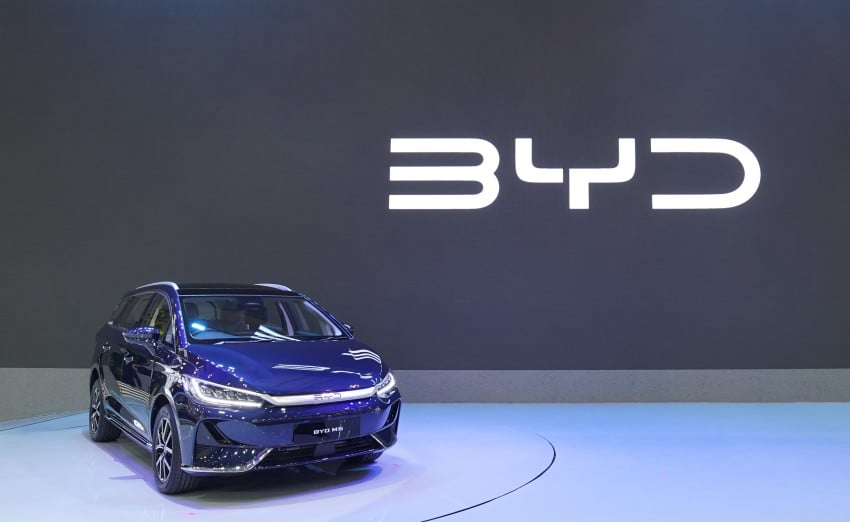
Indonesia’s automotive market is experiencing historic changes as electric vehicles (EVs) break record after record. The latest industry data highlights that nationwide EV sales have reached unprecedented heights, driven mainly by a significant surge in consumer demand for cleaner and more sustainable transportation options. With traditional car sales stagnating, EVs are now reshaping the landscape and introducing new key players to the industry.
According to data released by the Association of Indonesia Automotive Industries (Gaikindo), domestic EV sales recently soared to 6,341 units in a single month. This figure marks a jump of 16.7 percent compared to the previous month, which recorded only 5,433 units distributed from manufacturers to dealers. These numbers are particularly remarkable given that the overall automotive market barely grew, rising just 1.5 percent to 61,780 units across all vehicle segments.
EV Sales Growth Outpaces Conventional Market

The shift toward electric cars is clearer than ever. While growth in conventional car sales is slow, EV sales have rapidly accelerated, signaling a significant change in consumer behavior. Year-to-date, EV sales from January to August have already reached 48,000 units. This number surpasses total EV sales in the previous year, which stood at 43,188 units.
Market experts believe this surge is driven by a combination of government incentives, increased awareness of environmental issues, and the availability of new models that are both affordable and appealing. The rising cost of fuel and stricter emissions regulations have also motivated consumers to make the switch to electric.
Chinese Brands Dominate the Indonesian EV Market
A closer look at the EV sales leaderboard reveals a dramatic shift in market power. Chinese automotive brands have rapidly secured dominant positions in Indonesia’s electric car segment. This trend reflects their aggressive strategy and ability to launch attractive models at highly competitive prices.
Among the leading Chinese brands, BYD, Wuling, and Chery have been especially successful in capturing the attention of Indonesian buyers. Their ability to adapt to local preferences and offer a wide range of features caters to both urban commuters and families seeking reliable transportation.
Indonesia’s Top 20 Electric Vehicle Sellers
Here is a simple list showcasing the top 20 brands that currently rule Indonesia’s electric vehicle market based on distribution numbers:
- BYD
- Wuling
- Chery
- Hyundai
- Toyota
- MG
- Tesla
- Neta
- DFSK
- Seres
- Kia
- Nissan
- Lexus
- Mercedes-Benz
- BMW
- VinFast
- Honda
- Peugeot
- Citroen
- Mini
These brands have managed to secure their positions through a mix of competitive pricing, aftersales support, and technological innovation. Local consumers are increasingly attracted to models that offer a combination of performance, safety, and affordability.
What Drives the EV Boom in Indonesia?
Market analysts point to several factors fueling Indonesia’s impressive EV growth:
- Government Incentives: Substantial tax breaks, import duty exemptions, and support for home charging infrastructure have made EV ownership more appealing.
- Product Diversity: Automakers consistently introduce new models across various price ranges and body types, from compact city cars to large SUVs.
- Wider Charging Networks: The expansion of public and private charging stations is reducing range anxiety and boosting consumer confidence.
- Environmental Concerns: Greater awareness of climate change and air quality has prompted a shift in public sentiment towards green mobility solutions.
Industry sources indicate that buyers are no longer only looking for status symbols or prestige brands. Instead, reliability, cost-efficiency, and practical everyday use have become the main drivers of purchasing decisions. With so many brands investing heavily in EV technology, competition is accelerating innovation and pushing down costs further.
The Changing Face of Dealerships and After-Sales Service
As more brands invest in the Indonesian EV sector, dealerships are adapting their business models. Many now offer specialized EV maintenance and exclusive charging facilities for their customers. Some dealers report that EV test drives and promotional events attract higher attendance than those for conventional vehicles.
Local technicians are also receiving training to handle EV systems, including high-voltage battery management and software diagnostics. This commitment to building expertise is crucial for long-term consumer trust and market sustainability.
Challenges and Future Prospects
Despite the impressive progress, several challenges remain. Infrastructure outside large cities still lags behind, and there are concerns about the availability of affordable charging solutions in residential complexes. Some industry observers also warn of potential bottlenecks in the supply of EV components, especially batteries.
Nevertheless, projections indicate that the Indonesian EV market will continue to expand rapidly. As more manufacturers set up domestic assembly plants and as local component production increases, the ecosystem will likely become more resilient and less dependent on imports. The government’s long-term roadmap includes even stricter emission targets and additional support for EV adoption in the coming years.
Setting New Industry Standards
The current record-breaking EV sales are a wake-up call for the entire automotive sector. Traditional carmakers are now under pressure to accelerate their own EV launches or risk losing relevance. Partnerships between local and international companies are also expected to increase, creating new opportunities for innovation in both manufacturing and customer experience.
EV sales now outpace many industry forecasts, signaling that Indonesia’s automotive future will be electric. Companies that recognize and adapt to changing consumer preferences will have the greatest chance of success. With the list of top 20 market leaders evolving rapidly, all eyes are now on who will shape the next chapter of the Indonesian automotive industry.