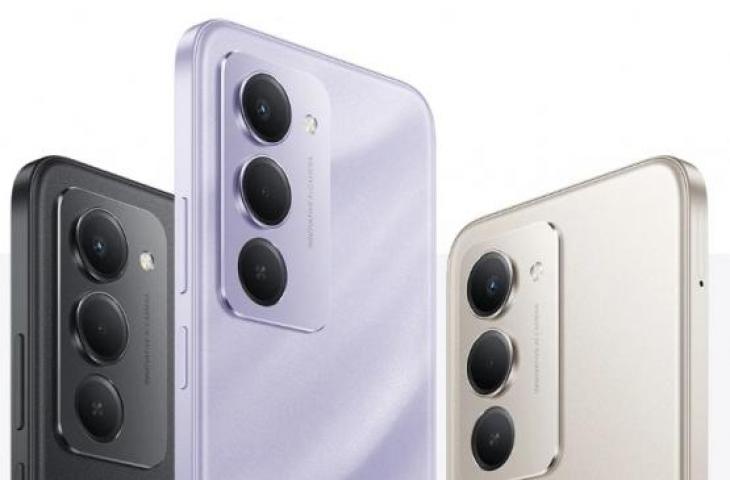
Searching for a budget-friendly smartphone with strong performance is becoming increasingly important, especially for students who depend on their devices for studying, online learning, and entertainment. Redmi continues to stand out in the market with its attractive models in the affordable price segment, providing high value for limited budgets. In the price range around two million, several Redmi smartphones offer excellent features, reliable performance, and user-focused designs.
Choosing the right smartphone can help support productivity, connectivity, and entertainment needs without breaking the bank. Based on current recommendations and data from leading technology sources, there are several Redmi models worth considering for students and budget-conscious users seeking the best value.
Redmi Note 14: Flagship Features on a Budget

Redmi Note 14 stands as a mid-range contender with premium touches, particularly in design and internal specifications. It features a 6.67-inch AMOLED display that produces sharp, vibrant visuals—making it an excellent option for watching lectures, videos, or gaming sessions. The use of AMOLED technology ensures high contrast ratios and comfortable viewing, even under direct sunlight.
The device is powered by the MediaTek Helio G99 Ultra chipset, which is well-known for its energy efficiency and reliable multitasking abilities. This processor provides smooth performance for daily activities like browsing, streaming, and light gaming. Buyers have a choice of two memory configurations: 8GB RAM paired with either 128GB or 256GB internal storage, allowing users to select the version that best matches their storage needs and budget.
A key highlight of the Note 14 is its camera system. The rear setup includes a 108MP primary sensor with f/1.7 aperture, delivering highly detailed and vibrant photos—suitable for content creation or capturing lecture notes. Complementing the main camera are a 2MP macro lens and a 2MP depth sensor, supporting natural bokeh effects and close-up shots. For selfies and video calls, the front camera provides a sharp 20MP sensor.
Battery life is also a significant asset. Armed with a 5,500mAh Li-Po battery, Redmi Note 14 ensures a full day of use without the constant worry of recharging, which is a major plus for students with long activity hours. The retail price for the 8GB/128GB version is around 2.4 million, while the higher 256GB option sits just above that mark.
Redmi 15: Big Battery, Bigger Screen
If battery longevity and spacious display are top priorities, Redmi 15 makes an exceptional choice. Its 6.9-inch IPS LCD display is not only large but also provides clear visuals suitable for reading digital textbooks, watching educational content, and attending online classes. The device’s build is tailored to those who enjoy streaming movies or gaming on larger screens.
One of the most distinguishing features of the Redmi 15 is its massive 7,000mAh battery. According to data shared by multiple consumer tech reviewers, this is one of the highest capacities in the two-million price segment. With this battery, users can expect uninterrupted usage throughout the day, minimizing the dependence on power banks or frequent recharging.
Performance is driven by a Qualcomm Snapdragon 685 chipset. This processor is trusted among mid-range devices for maintaining a balance between power efficiency and stable everyday performance. Typical tasks like social media browsing, note-taking, and running multiple apps can be handled with ease.
For camera needs, Redmi 15 provides a 50MP main lens (f/1.8) that delivers decent photos for class projects or daily snapshots. The front camera is equipped with an 8MP sensor, offering clear selfie results in various lighting conditions. Storage choices include 8GB RAM mated to 128GB or 256GB internal storage, retailing at competitive price points, making the Redmi 15 highly accessible for students.
Redmi Note 12: Solid Choice with Proven Track Record
Although it may not be the newest release on the market, Redmi Note 12 continues to be a solid option for students who value reliability and display quality. This model boasts a 6.67-inch AMOLED display, mirroring the screen size of the Note 14, and ensures vivid colors and high readability. The display remains comfortable to use even during prolonged study sessions or when used outdoors.
Under the hood, Redmi Note 12 employs the Snapdragon 685 processor—the same as the Redmi 15. This ensures consistent performance for everyday smartphone activities, including multitasking and using productivity applications. Its 5,000mAh battery offers efficient support for daily routines, making it suitable for users with busy schedules.
In terms of photography, the Redmi Note 12 comes with a three-lens rear system, including a 50MP main shooter, an 8MP ultrawide, and a 2MP macro camera. The selfie camera is 13MP, suitable for video conferencing and casual photography.
There are several memory and storage options available for this model: 4GB/128GB, 6GB/128GB, and 8GB/256GB. Official prices hover around the two to three million mark, depending on the variant, allowing students to match their choice according to workload and storage requirements.
Comparative Table: Redmi Two-Million Series for Budget Buyers
| Model | Display | Processor | Camera (Rear/Main) | Battery | Storage Options | Key Advantage |
|---|---|---|---|---|---|---|
| Redmi Note 14 | 6.67" AMOLED | Helio G99 Ultra | 108MP | 5500mAh | 8/128GB, 8/256GB | Best-in-class camera |
| Redmi 15 | 6.9" IPS LCD | Snapdragon 685 | 50MP | 7000mAh | 8/128GB, 8/256GB | Extra-large battery |
| Redmi Note 12 | 6.67" AMOLED | Snapdragon 685 | 50MP + 8MP + 2MP | 5000mAh | 4/128GB, 6/128GB, 8/256GB | Proven reliability |
Guide to Choosing the Best Redmi Smartphone Under Two Million
- Identify your main usage—whether it’s for photography, watching videos, or all-day studying.
- Match the preferred screen size and type with your habits (AMOLED if you prioritize display quality, IPS LCD for larger real estate).
- Consider battery endurance, especially if you’re often mobile or away from charging outlets for long hours.
- Choose storage and RAM that will be sufficient for apps, study materials, and daily data needs; aim for at least 6GB RAM for smooth multitasking.
- Compare prices across official stores and trusted retailers for the most competitive deal.
All three Redmi models above are highly relevant for students and users who value both affordability and capability in their devices. With choices ranging from camera-centric to battery powerhouse models, Redmi maintains its reputation as a top pick in the budget smartphone sector. Always review official specifications and take advantage of ongoing promotions or student discounts, as these can make a significant difference to your overall spending.