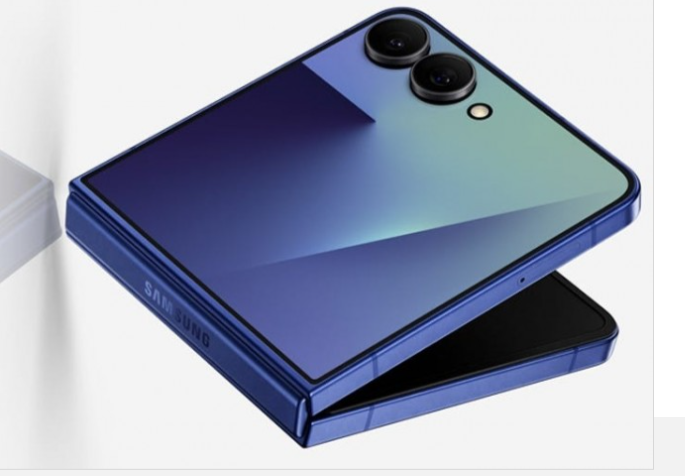
Mobile technology is advancing rapidly, delivering users better performance and richer features each year. Flexible display innovation has made foldable smartphones stand out, not only for their design but also for impressive hardware and software improvements. Consumers in Indonesia are now presented with more choices than ever, as both premium and affordable models enter the market.
Leading brands like Samsung, Vivo, Xiaomi, and Huawei dominate the growing foldable phone scene. Their battle for market share benefits end-users, creating an array of smartphones that meet diverse needs and budgets. Each new launch seems to push the limits in terms of features, style, and accessibility.
Latest Trends in Foldable Phone Technology

Foldable phones have moved beyond their early experimental phase. Advanced flexible AMOLED screens boasting ultra-high resolution—from QHD to 4K—are now a standard across most new models. Users now expect smooth display quality, supported by refresh rates up to 120 Hz and peak brightness of up to 2400 nits for excellent visibility indoors and outdoors.
Performance is equally impressive, driven by chipsets such as Snapdragon 8 Gen 3 series and Snapdragon 8 Elite. These processors deliver seamless multitasking and gaming. Many top-tier models, including the Galaxy Z Fold 7, come with up to 16 GB RAM and storage options reaching 1 TB, supporting even the most demanding applications and extensive media collections.
Other hardware advancements include rapid charging, with most flagship foldables supporting speeds from 25W to 100W. Battery life is further extended by larger battery capacities—typically 4400 mAh or above—supporting prolonged usage throughout the day.
Price Range and Competitive Market Landscape
The Indonesian foldable phone market now covers a broad price spectrum. Most devices fall between Rp 10 million and Rp 30 million, targeting mid to high-end segments, but prior generation models are available for under Rp 10 million. This pricing strategy gives both early adopters and cost-conscious buyers access to folding screen technology.
Top-tier flagship models remain the centerpiece of the market. The Samsung Galaxy Z Fold 7 (12 GB/512 GB) starts from Rp 13,488,100, while the 1 TB version is available at Rp 24,546,000. The Galaxy Z Flip 7—with its unique clamshell design—is made accessible from roughly Rp 13,460,000, and its 512 GB variant is listed at Rp 14,763,000. Vivo also maintains a strong presence with its X Fold 5 (16 GB/512 GB) at Rp 23,175,000 and X Fold 3 Pro (16 GB) at Rp 24,899,000.
For those considering alternatives, Xiaomi Mix Fold 4 (12 GB) and Huawei Mate X5 provide additional options, with price tags up to Rp 37,299,000 for the most advanced versions. Previous generation models, such as Galaxy Z Fold 5 and Fold 6, still attract buyers, priced between Rp 17,467,700 and Rp 20,489,000.
Below is a simplified price list of popular foldable phones in Indonesia:
- Samsung Galaxy Z Fold 7 (12 GB/512 GB): from Rp 13,488,100
- Samsung Galaxy Z Fold 7 (1 TB): Rp 24,546,000
- Samsung Galaxy Z Flip 7: from Rp 13,460,000
- Samsung Galaxy Z Flip 7 (512 GB): Rp 14,763,000
- Vivo X Fold 5 (16 GB/512 GB): Rp 23,175,000
- Vivo X Fold 3 Pro (16 GB): Rp 24,899,000
- Xiaomi Mix Fold 4 (12 GB): Rp 24,899,000
- Samsung Galaxy Z Fold 6 (512 GB): Rp 17,467,700
- Samsung Galaxy Z Fold 5 (512 GB): Rp 20,489,000
- Huawei Mate X5: Rp 37,299,000
Key Features Shaping the Foldable Experience
Foldable phones now offer robust camera systems that rival traditional flagships. For example, the Galaxy Z Fold 7 is equipped with a 200 MP main camera, supporting advanced photography and video recording up to 8K. Enhanced night mode, AI optimization, and professional manual controls set new camera standards.
Connectivity and security also see notable upgrades. 5G support is present across all recent releases, enabling ultra-fast downloads and smooth streaming. Biometric security features, such as in-display fingerprint scanners and facial recognition, enhance user convenience and safety.
Additional must-have specs for today’s foldable phones include:
- Wireless charging capability
- NFC for mobile payments
- IP-rated water resistance
- Durable hinge mechanisms
Manufacturers are increasingly aware that users demand both technology and durability. This drives waterproofing, reinforced hinges, and toughened glass integration on flagship models.
Consumer Trends and Future Predictions
Market analysis confirms Samsung’s dominance, with 17 active models currently available in Indonesia. Vivo, Xiaomi, and Huawei follow as key competitors, collectively making up the bulk of choices in the segment.
The purchasing pattern shows strong consumer interest for devices with large RAM capacities, ample storage, and battery endurance above 4400 mAh. Buyers also prioritize features like wireless charging, NFC, and biometrics, considering them essential instead of luxury additions.
To cater to wider audiences, brands are preparing to introduce more mid-range foldable phones. A new wave of devices priced between Rp 8 million and Rp 12 million is expected, promising accessible flexible screen technology for a larger segment of Indonesian smartphone users.
Evolution of Foldables: From Premium to Practical
The pace of development in foldable technology is set by the increasing competition among manufacturers. As a result, new devices not only offer cutting-edge specifications but also address daily user needs for flexibility and robust performance.
Buyers now enjoy greater freedom in selecting a foldable phone that fits both their lifestyle and budget. This shift means foldable technology is no longer limited to enthusiasts or high-end users, but is quickly becoming mainstream.
From luxurious flagships with top-end cameras and processors to more wallet-friendly alternatives that still bring a futuristic experience, the Indonesian smartphone landscape is witnessing a remarkable transformation. As user needs become more varied, technology innovation and pricing strategies are expected to further expand, granting even more Indonesians access to the latest in mobile hardware advances.