


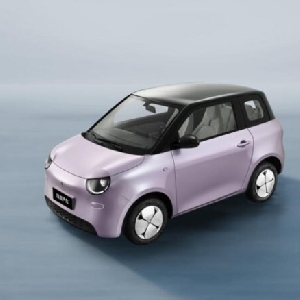
Wuling has introduced a new sub-brand called Aishang, targeting young consumers in China who seek compact and affordable electric vehicles. This move shows Wuling’s strategic response to the rising demand for small electric cars, which is growing rapidly in the domestic market.
Aishang’s first model, the A100C, is a mini battery electric hatchback. The car enters the market at a time when trends favor electric crossovers, yet Wuling opts to differentiate itself with a smaller, city-friendly vehicle.
Aishang Brand Focus and Strategic Launch
According to Wang Zhiqiang, Vice General Manager of Wuling, the Aishang brand answers the increasing request for small EVs, which soared by 63 percent in the domestic market during the first half of the year. Wuling has extensive experience producing such vehicles, with previous successes like the Wuling Mini EV and Air EV.
Wuling intends to capitalize on its expertise and market momentum. The formation of Aishang aligns perfectly with the demand spike and the company’s vision to solidify its footprint in the mini-EV segment.
Distinctive Features and Design of the Aishang A100C
The Aishang A100C stands out with its playful, modern design featuring blacked-out pillars, aerodynamic wheel covers, and an air intake on the front bumper. Its charming headlights bring a youthful touch, appealing directly to its intended audience of young, urban drivers.
The vehicle is equipped with traditional door handles and a charging port cover on the front right fender. These design choices suggest both style and practical city usage.
Dimensions Comparison: Aishang A100C vs Wuling Mini EV
By size, the Aishang A100C is larger than the latest Wuling Mini EV, offering slightly increased cabin space and comfort without departing from the mini EV format. Key differences are as follows:
| Model | Length (mm) | Width (mm) | Height (mm) |
|---|---|---|---|
| Aishang A100C | +29 | +130 | -28 |
| Wuling Mini EV | 0 | 0 | 0 |
This makes the A100C longer by 29 mm, wider by 130 mm, and lower by 28 mm compared to its sibling, positioning it as both familiar and fresh for its buyers.
Performance and Technical Specifications
Under the hood, the Aishang A100C is powered by a single rear-mounted electric motor delivering 35 kW (around 51 hp) and torque of 83 Nm. The power source is a lithium iron phosphate (LFP) battery from Gotion, with a capacity of 17.65 kWh.
The claimed driving range is up to 220 kilometers under CLTC test conditions. This range should cover daily city commutes and short intercity trips, meeting the core needs of young, urban commuters.
Key Technical Specs in Brief
- Electric Motor: 35 kW (51 hp), rear-wheel drive.
- Torque Output: 83 Nm.
- Battery: 17.65 kWh LFP from Gotion.
- Estimated Range: 220 km (CLTC standard).
- Body: Two-door mini hatchback.
Market Position and Competition
The debut of the Aishang A100C puts it in direct competition with other mini electric vehicles in China, such as the Chery QQ Ice Cream and the Changan Lumin. By focusing on the mini-EV category, Wuling aims to attract young, first-time car owners or customers seeking a secondary city vehicle.
Wang Zhiqiang emphasized that Wuling’s strong background in mini-EV production provides the necessary brand equity to support this new venture. The company leverages industry trends and its technological know-how to appeal to the high-growth, value-conscious segment of the market.
Sales and Distribution Strategy
The Aishang A100C is currently scheduled for release exclusively in the domestic market. Wuling does not have plans to export this model overseas. For Southeast Asia, including Indonesia, prospective buyers will need to wait for other products, as the Aishang series remains a China-only offering at present.
This local-market focus allows Wuling to refine its approach and cater directly to domestic consumer preferences. It also enables faster feedback and product improvement cycles within the highly competitive Chinese EV landscape.
Brand Image and Consumer Appeal
The new Aishang sub-brand promotes an image of modern, approachable mobility. The playful exterior, practical proportions, and clear focus on city driving help distinguish the A100C within its price bracket. Its design is specifically tuned to meet aesthetic and functional expectations of China’s urban youth.
Wuling’s strategy to offer such a vehicle under a sub-brand rather than its main marque demonstrates the company’s ability to segment and target more specific consumer classes. Distinct branding allows greater flexibility in product development and future expansion within different EV categories.
Outlook for the Mini-EV Market and Wuling’s Future Prospects
Industry analysts note that small electric vehicles are experiencing sharp, sustained growth in China due to their affordability, easy maintenance, and suitability for cities with strict emission controls. Chinese buyers especially favor cars that balance price and daily practicality, reflecting directly in Aishang’s product philosophy.
Wuling’s launch of the Aishang A100C reinforces its commitment to innovation within the fast-evolving EV sector. By staying attuned to market changes and leveraging the proven formula of success achieved by its earlier models, the company is well-positioned to become a major player in this niche segment.
As city dwellers in China continue to prioritize small, electric mobility solutions, Wuling’s differentiated approach with the Aishang sub-brand will likely inspire more automakers to follow suit and diversify their own offerings within the mini electric vehicle space.