


Looking for a cheap smartphone with great specs can be confusing, especially when brands like POCO and Xiaomi release devices that seem almost like twins. The POCO C85 and Xiaomi Redmi 15C are two options that look almost identical on paper, but with a slight price gap that might influence your decision. Many buyers wonder, are the POCO C85 and Redmi 15C really the same inside out, and if not, which one gives better value?
Both phones target budget-conscious users who want a large screen, long battery life, and a decent camera experience. But despite having nearly matching specifications, the price difference raises the question: What am I paying extra for with Xiaomi Redmi 15C, or what do I stand to lose with POCO C85?
Large Display for Immersive Experience
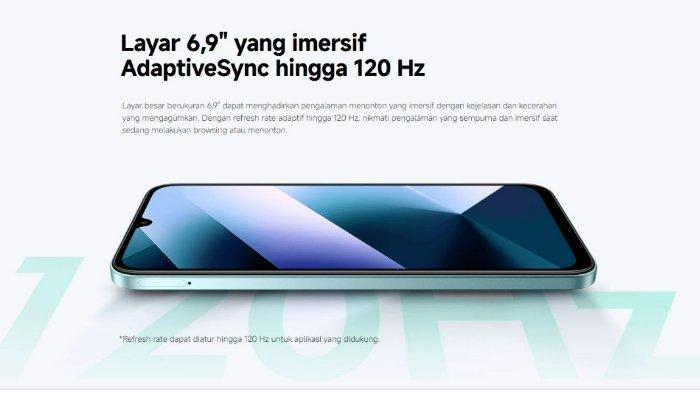
POCO C85 and Redmi 15C both come with a massive 6.9-inch IPS LCD display. This ensures users get an expansive visual experience, whether watching movies or scrolling social media feeds. The HD+ screen resolution of 720 x 1,600 pixels with a 120 Hz refresh rate is a highlight that sets these budget phones apart from competitors in a similar segment.
Brightness peaks at 810 nits, making outdoor visibility less of an issue. The screen is TÜV Rheinland certified, which means less eye strain even after extended use. With displays of this size and quality, both POCO and Xiaomi deliver beyond typical entry-level standards.
Camera Configuration: Similar Specs, Different Appeal
Both handsets come equipped with a dual rear camera system. The main lens on both the POCO C85 and Redmi 15C is 50 MP f/1.8, supported by a secondary QVGA sensor. For selfies, there’s an 8 MP camera fitted with a waterdrop notch—adequate for everyday snaps and video calling.
Even though the major specs mirror each other, slight differences might appear in camera software and color processing. Marketing materials highlight features like a ‘floating crater’ camera module design, but fundamentally, camera performance should be very close between these two.
Stamina Kings: Massive Battery Support
One of the main selling points for both devices is their battery life. Each phone features a substantial 6,000 mAh battery. This large capacity is said to give users a smooth experience all day, and even overnight without a recharge.
POCO claims up to 22 hours of nonstop video playback. Xiaomi adds that the battery can support up to 82 hours of music playtime. Both phones support fast charging at 33 watts—a rare perk in this price range—which allows the battery to go from zero to 50 percent in around 31 minutes, according to POCO’s official statement.
Software and Daily Performance
Both devices use a similar chipset and RAM configuration, with options for 6 GB/128 GB and 8 GB/256 GB storage variants. While day-to-day performance like social media, messaging, and casual gaming should feel almost the same, software optimization can influence minor differences in user experience between the two brands.
Both phones come with Android-based custom user interfaces unique to their respective brands. Minor differences in pre-installed apps, UI aesthetics, and update frequency may be present.
Design: Not Just a Rebrand
At first glance, the POCO C85 and Redmi 15C might seem like two sides of the same coin. However, digging deeper reveals noticeable differences in their physical appearance. Both have a quad-curved design, giving a comfortable grip and dimensions of 171.56 x 79.47 x 7.99 mm, with a weight of 205 grams.
POCO C85 features a dual-tone back with a distinctive color splitter, adding a layer of flair often missing in the entry-level segment. Meanwhile, Redmi 15C maintains a more conventional, single-color approach on its rear cover.
Color options also differ. POCO C85 comes in Black, Purple, and Green. Redmi 15C is available in Moonlight Blue, Mint Green, Midnight Black, and Twilight Orange. The camera module design distinguishes them further: POCO’s rear camera lenses are flush with their housing for a seamless look, while Redmi 15C’s lenses protrude slightly for a pronounced visual effect.
Durability and User Comfort
Both phones carry an IP64 rating, making them resistant to dust and splashes. The Wet Touch Display 2.0 technology also ensures responsive touchscreens even if your fingers are wet, an advantage for users living in humid or rainy regions.
Below is a quick comparison table outlining the main specs:
| Specification | POCO C85 | Redmi 15C |
|---|---|---|
| Display Size | 6.9-inch | 6.9-inch |
| Display Type | IPS LCD, 120 Hz | IPS LCD, 120 Hz |
| Resolution | 720 x 1600 (HD+) | 720 x 1600 (HD+) |
| Main Camera | 50 MP + QVGA | 50 MP + QVGA |
| Front Camera | 8 MP | 8 MP |
| Battery Capacity | 6000 mAh | 6000 mAh |
| Fast Charging | 33 W | 33 W |
| RAM/Storage Options | 6/128, 8/256 GB | 6/128, 8/256 GB |
| Dimensions/Weight | 171.56×79.47×7.99mm, 205g | 171.56×79.47×7.99mm, 205g |
| Colors Available | Black, Purple, Green | Moonlight Blue, Mint Green, Midnight Black, Twilight Orange |
| Water & Dust Resistant | IP64 | IP64 |
| Wet Touch Display | Yes | Yes |
Price: Which One is Cheaper?
Despite their near-identical specs, the POCO C85 is priced lower than the Xiaomi Redmi 15C. According to official Xiaomi marketplaces and confirmed by TribunShopping, here’s how the models are positioned:
- POCO C85 (6/128GB): IDR 1,499,000
- POCO C85 (8/256GB): IDR 1,699,000
- Redmi 15C (6/128GB): IDR 1,599,000
- Redmi 15C (8/256GB): IDR 1,799,000
This price difference of about one hundred thousand rupiah per variant may seem small, but it can matter to buyers on tight budgets. Essentially, with POCO C85, you get almost the same package as Redmi 15C at a slightly friendlier price.
Which One Should You Choose?
Both the POCO C85 and Xiaomi Redmi 15C offer great value in terms of screen, battery, and everyday functionality. The decision boils down to subtle differences in design, brand preference, and the specific colorways on offer. For budget-focused users, the POCO C85 presents a slightly more affordable option without sacrificing core features found on the Redmi 15C. These distinctions, though minor, help users pick a phone that feels personal, fits their style, and aligns with their budget priorities. If you want an entry-level smartphone in the price segment, both options deliver solid performance, but the POCO C85’s lower price can make it the more attractive pick for value-seeking customers.