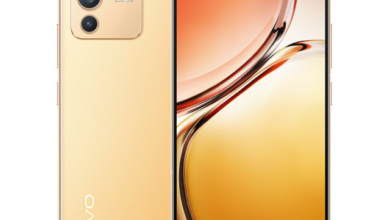
The competition for the best camera phone is getting more intense, especially with new brands aiming to challenge the dominance of the next iPhone lineup. Today’s Android flagships are equipped with advanced camera sensors, powerful artificial intelligence, and remarkable low-light capabilities that appeal to mobile photography fans.
Instead of only increasing megapixels, brands now prioritize image processing, ensuring photos look natural and detailed. This shift responds to users who want consistently impressive results in all conditions, not just during the day or in good lighting.
The Latest Android Camera Challengers


One strong contender in this race is the Samsung Galaxy S25 Ultra. The device boasts a 200MP main sensor, combined with an upgraded Nightography technology for low-light performance. Night shots are sharper with more accurate colors and less noise, rivaling the next iPhone’s capabilities according to multiple tech analysts. In addition, its 10x optical zoom feature gives photographers more freedom to capture distant subjects without losing detail and clarity.
Tech reviewers highlight that Samsung’s Nightography delivers true-to-life images in near-dark situations. Optical image stabilization and AI-driven processing help minimize blur, enhancing handheld photos. Samsung only focuses on versatility by offering professional-like camera modes and RAW format support, making the Galaxy S25 Ultra attractive for serious photographers as well as casual users.
Google Pixel 9 Pro: Computational Photography Leader
Google’s Pixel series has always stood out in computational photography. The upcoming Pixel 9 Pro continues this tradition, leveraging Google’s acclaimed image-processing algorithms. With every shot, Pixel’s AI refines shadows, adjusts highlights, and boosts color accuracy so photos appear vibrant even without manual adjustments.
The Pixel 9 Pro implements advanced AI features such as ‘Magic Eraser’ and improved Portrait Light. According to industry experts, this phone’s main strength lies in producing consistent, color-accurate results in any scene. Highlights and skin tones look realistic, making the device suitable for users who want share-ready results out of the box.
Xiaomi 15 Ultra: Big Sensor Innovation
Xiaomi’s partnership with Leica for the 15 Ultra brings a genuine shift in sensor design. This flagship uses a large Leica-made sensor, which delivers impressive dynamic range and faithful color reproduction. Mobile photographers benefit from the artistic tone this collaboration produces, mimicking the feel of professional cameras.
Powered by the latest Snapdragon chipset, the Xiaomi 15 Ultra offers fast image processing and reduced noise, especially in challenging light. Professional-grade features such as Pro Mode and 14-bit RAW output attract users interested in advanced editing. Experts note that Xiaomi’s photo processing is among the fastest in its segment, ensuring photographers never miss a critical moment.
Key Camera Features Comparison
For readers seeking a straightforward comparison, here is a summary of the most notable camera specs from the top contenders:
| Model | Main Sensor | Optical Zoom | Special Feature | Processing Strength |
|---|---|---|---|---|
| Samsung S25 Ultra | 200 MP | 10x | Nightography New Gen | AI-based Low Light |
| Google Pixel 9 Pro | ~50 MP | 5x | Computational Photography | Magic Eraser, Real Tone |
| Xiaomi 15 Ultra | Leica Sensor | 3.2x/5x | Leica Authentic Color Science | Fast Snapdragon SoC |
Why Android Flagship Cameras Are Gaining Ground
A significant change in mobile photography is the integration of AI and machine learning. These technologies allow ultra-precise image enhancements, even in situations that were difficult for phone cameras just a few years ago. Brand independence also plays a role; each company offers a distinctive photographic “look,” providing consumers with more creative options compared to a single iPhone aesthetic.
Android flagships now come with advanced image stabilization, customized tone mapping, and periscope lenses for better optical zoom. Many reviewers have found that Samsung, Google, and Xiaomi flagship cameras are no longer just alternatives; their results can match or exceed the high standards set by leading flagship phones.
Choosing the Best Camera Phone for Your Needs
When selecting a camera phone, it’s essential to consider your photography style. If low-light photography is a priority, the Samsung Galaxy S25 Ultra stands out with its superior night mode and powerful zoom. For users who value effortless, natural results that require little post-processing, the Google Pixel 9 Pro remains unmatched in computational accuracy.
Those seeking a professional-like shooting experience with full manual control should look at the Xiaomi 15 Ultra. Its Leica sensor and Pro Mode capabilities deliver a unique artistic flavor that’s difficult to replicate with competitors. Based on evaluations from tech experts at Gadgetren and other trusted sources, these three Android flagships have succeeded in pushing the boundaries of mobile photography.
Tips for Maximizing Your Mobile Photography Experience
- Explore manual or Pro Mode for fine control over exposure and focus.
- Use the dedicated night mode for the best low-light results.
- Experiment with different lenses, particularly the telephoto and ultra-wide options.
- Edit photos using built-in or third-party software for professional-level results.
- Keep the camera lens clean to guarantee the sharpest possible images.
For anyone passionate about mobile photography, this new generation of Android flagship camera phones provides strong alternatives to the next iPhone. The rapid improvements in sensor technology, AI processing, and lens quality offer users more freedom in capturing creative and impressive images in any situation. Upcoming releases from Samsung, Google, and Xiaomi ensure that the world of mobile photography will become even more dynamic, with innovation set to reshape user expectations in the years ahead.