Vitamin E is essential for breastfeeding mothers who want to ensure their health and their baby’s optimal growth. This nutrient helps maintain a strong immune system, aids in cell protection, strengthens red blood cell production, and supports overall vitality. According to health experts, vitamin E is vital not just for the mother but also for the quality of breast milk given to the baby.
Breastfeeding mothers need to add nutritious foods and supplements to their daily routine. This step is crucial because the nutrients consumed will be passed on to the baby, supporting healthy brain and body development. Supplementing vitamin E is often recommended when food intake cannot meet the increased nutritional needs during lactation.
Benefits of Vitamin E for Breastfeeding Mothers


Vitamin E acts as a powerful antioxidant that protects cells from damage. It also helps in enhancing the immune response, especially important for new mothers whose bodies may be vulnerable after childbirth. Adequate vitamin E intake can reduce the risk of infections and improve the skin’s health, which can be beneficial to mothers facing changes in skin elasticity post-pregnancy.
Vitamin E plays a significant role in ensuring the production and maintenance of red blood cells. According to the National Institutes of Health, vitamin E deficiency in mothers may lead to inadequate nutrient transfer through breast milk. Sufficient levels in daily intake are shown to enhance breast milk quality, thereby supporting the baby’s immune and cognitive development.
How to Choose Vitamin E Supplements for Breastfeeding Mothers
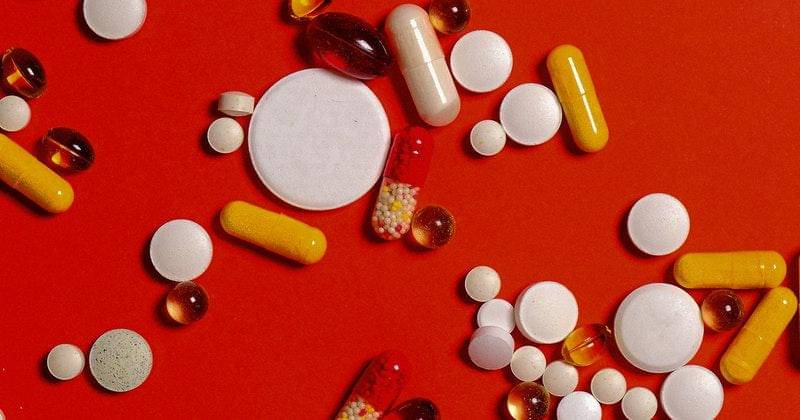
Choosing the right vitamin E supplement is important for safety and effectiveness. Look for vitamin E in the form of d-alpha tocopherol, which is a natural variant better absorbed by the body compared to synthetic forms like dl-alpha tocopherol. Consider brand reputation, third-party testing for purity, and ensure the product is suitable for postpartum and breastfeeding mothers.
It is also recommended to consult with a healthcare provider before starting any new supplement. This is to avoid excess intake, which in rare cases may lead to harmful side effects. Always opt for supplements with clear ingredient labeling and dosing instructions, and avoid products with unnecessary additives or allergens.
7 Recommended Vitamin E Supplements for Breastfeeding Mothers
Here are seven popular vitamin E supplements that are frequently recommended for mothers who are breastfeeding:
-
Blackmores Vitamin E Natural
This supplement contains d-alpha tocopherol, the more bioavailable form of vitamin E. It is widely trusted by many nursing mothers and is formulated without artificial colors or preservatives. -
Nature’s Plus Vitamin E
Nature’s Plus offers a high-potency, naturally sourced vitamin E supplement. It is recognized for its purity and has passed quality assurance standards for safety during breastfeeding. -
NOW Vitamin E-400
NOW is known for providing allergy-friendly supplements. Their Vitamin E-400 is gluten-free and suitable for those with sensitivities, making it a safe choice for mothers with dietary restrictions. -
Nature Made Vitamin E
Nature Made provides vitamin E in easy-to-swallow softgels. The product is verified by the United States Pharmacopeia (USP) for potency and purity, ensuring high-quality supplementation. -
Holisticare Super E Natural
Holisticare’s vitamin E formula focuses on natural extraction methods. It does not contain synthetic fillers and is widely available in pharmacies, making it convenient for routine supplementation. -
Suplemen Nutrafor Vitamin E
Nutrafor’s Supplement is locally popular for its affordable price and consistent dosage. It is also often recommended by Indonesian lactation consultants for postpartum mothers. - Healthy Care Vitamin E
Healthy Care provides vitamin E that is sourced from natural plant oils. Its formulation is designed to enhance absorption and comes in packaging suitable for daily compliance during the lactation period.
Comparing Key Features of Popular Supplements
| Brand | Form | Natural Source | Allergen-Free | Verified Purity |
|---|---|---|---|---|
| Blackmores Vitamin E | Softgel | Yes | Yes | Yes |
| Nature’s Plus Vitamin E | Capsule | Yes | Yes | Yes |
| NOW Vitamin E-400 | Softgel | Yes | Gluten-free | Yes |
| Nature Made Vitamin E | Softgel | Yes | Yes | Yes (USP) |
| Holisticare Super E | Tablet | Yes | Yes | Yes |
| Nutrafor Vitamin E | Softgel | Yes | Yes | Yes |
| Healthy Care Vitamin E | Capsule | Yes | Yes | Yes |
Daily Intake Recommendations and Safety Notes
The recommended dietary allowance (RDA) of vitamin E for breastfeeding women is around 19 mg per day, according to the World Health Organization. Exceeding this limit is not advised, as high doses may interfere with the absorption of other essential nutrients or cause digestive issues. Always follow the dosage instructions offered by the manufacturer or pharmacist, and pay attention to any known allergies.
Taking vitamin E supplements should complement, not replace, a balanced diet rich in vegetables, nuts, and healthy oils. Foods like almonds, sunflower seeds, and spinach are excellent sources of natural vitamin E. Combining dietary sources with supplementation can help meet the unique nutritional needs of lactating mothers.
When to Consult a Healthcare Professional
If you are unsure about which supplement to choose or how much to take, speak with a doctor, midwife, or qualified nutritionist. Some mothers may have specific health conditions or medication interactions that need medical consideration before starting new supplements. Regular check-ups can help monitor the overall health of both mother and baby and ensure that nutritional needs are being met.
Vitamin E supplements can play an important role in supporting the health and well-being of breastfeeding mothers. Choosing a reliable product, following safe practices, and prioritizing a nutritious diet will help both mothers and babies enjoy optimal benefits during the breastfeeding journey.