


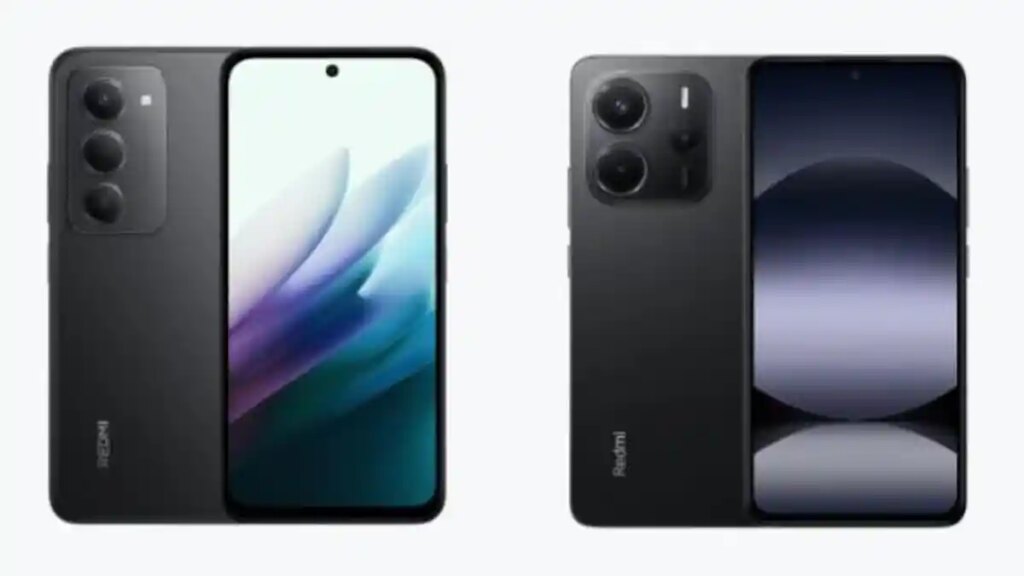
Price and specification comparisons between Xiaomi Redmi 15 and Redmi Note 14 are important for users looking for a new smartphone in the mid-range segment. Both devices target users who want solid performance, advanced displays, and attractive camera capabilities without spending much money. The price difference of IDR 300,000 for the 8 GB RAM and 256 GB storage variants is a crucial factor for buyers who prioritize value as well as features.
Each model offers distinct hardware and design elements, making the comparison between these two Xiaomi series highly relevant. Potential buyers are searching for clear, practical information that highlights advantages and trade-offs between the Redmi 15 and Redmi Note 14.
Dimensions and Weight
Xiaomi Redmi 15 comes with a height of 169.48 mm, width of 80.45 mm, thickness of 8.40 mm, and weighs 214 grams. This gives the Redmi 15 a slightly bulkier and heavier profile in hand. Redmi Note 14, on the other hand, offers a more compact build at 163.25 mm high, 76.55 mm wide, 8.16 mm thick, and a lighter weight of 196.5 grams. Users who prefer a lighter and more ergonomic device may consider the Note 14 as the better option for daily usage.
Display Quality
Redmi 15 features a 6.9-inch DotDisplay with FHD+ resolution of 2,340 x 1,080 pixels. It supports a refresh rate up to 144 Hz and a maximum brightness of 850 nits. The high refresh rate is an advantage for users focused on gaming or smooth scrolling experiences. Redmi Note 14 offers a 6.67-inch AMOLED panel, with a slightly higher resolution of 2,400 x 1,080 pixels. The refresh rate is 120 Hz, lower than the Redmi 15 but still impressive for most users.
A key highlight of the Note 14 display is its peak brightness at 1,800 nits. This allows for much better screen visibility under sunlight or outdoor conditions. While the Redmi 15 has a larger screen and faster refresh rate, the Note 14 provides more vibrant colors and higher maximum brightness due to its AMOLED technology.
Color Options
Redmi 15 is available in Sandy Purple, Titan Gray, and Midnight Black color choices. This selection suits users who favor stylish and neutral tones. Redmi Note 14 comes with more varied options including Sand Gold, Mist Purple, Midnight Black, and Lime Green. The extra color variety is attractive for those who want a smartphone reflecting their personal style.
Main Cameras
Camera performance remains a major consideration in this price segment. Redmi 15 boasts a 50 MP main camera with f/1.8 aperture and PDAF support. It is complemented by an auxiliary lens to assist with camera effects. This configuration is practical for daily photography, capturing clear images in good lighting conditions.
Redmi Note 14 hosts a superior 108 MP main lens, featuring an f/1.7 aperture for better light intake. The device also pairs an additional 2 MP lens and a dedicated 2 MP macro camera, both with f/2.4 apertures. This setup offers greater flexibility for users interested in close-up photography and portrait effects. Data from official sources highlight the redmi Note 14’s camera as a differentiator, especially for content creators or photography hobbyists.
Front Camera Capabilities
Selfie and video call quality differ significantly between the two models. Redmi 15 provides an 8 MP front camera with an f/2.0 aperture. This is adequate for basic self-portraits or social media uploads. Redmi Note 14 enhances user experience with a 20 MP front-facing camera, equipped with an f/2.2 aperture. The higher sensor resolution produces sharper and more detailed images, which is a plus for users who prioritize clear and higher-definition selfies.
Storage and RAM Options
Both devices, in this comparison, are considered in their 8 GB RAM and 256 GB internal storage variants. This RAM size allows multitasking, gaming, and app usage to run smoothly on either device. The large storage provides ample room for photos, videos, and app downloads, meeting the needs of users in daily scenarios.
Display and Dimension Table
| Feature | Redmi 15 | Redmi Note 14 |
|---|---|---|
| Height | 169.48 mm | 163.25 mm |
| Width | 80.45 mm | 76.55 mm |
| Thickness | 8.40 mm | 8.16 mm |
| Weight | 214 grams | 196.5 grams |
| Display Type | 6.9” DotDisplay, FHD+, 144 Hz, 850 nits | 6.67” AMOLED, FHD+, 120 Hz, 1,800 nits |
Camera Table
| Camera Type | Redmi 15 | Redmi Note 14 |
|---|---|---|
| Main Rear Camera | 50 MP (f/1.8, PDAF) + auxiliary lens | 108 MP (f/1.7) + 2 MP (f/2.4) + 2 MP Macro (f/2.4) |
| Front Camera | 8 MP (f/2.0) | 20 MP (f/2.2) |
Other Differences
Redmi Note 14 has clear advantages in display brightness, selfie camera, and camera versatility. The AMOLED panel promises more immersive visuals and superior power efficiency compared to standard DotDisplay used by the Redmi 15. Redmi 15, however, offers a larger display size and a slightly faster refresh rate, which benefits gamers and users who enjoy multimedia content.
Skip to pricing; the official data confirm the price gap. For the 8 GB RAM and 256 GB variant, the Redmi 15 is priced roughly IDR 300,000 less than the Redmi Note 14. This difference could affect decision-making for users who want to maximize features while sticking to a tighter budget.
Summary of Price and Value
- Redmi 15 targets users prioritizing bigger screens, higher refresh rates, and affordability.
- Redmi Note 14 attracts users seeking better camera quality, superior display brightness, and wider color selection.
Choosing between Redmi 15 and Redmi Note 14 comes down to user priorities between display size, camera quality, and price sensitivity. Reference data from leading tech review portals such as Tribun-Papua.com and the Xiaomi official website underpin the factual details of this comparison.
Shoppers and enthusiasts are advised to assess the primary use case, preferred features, and device handling preferences before making a purchase. These distinctions ensure consumers get the best value and utility aligned to daily habits and needs.