The anti-corruption operation in Riau has seen the regional government shaken, with Governor Abdul Wahid officially named as a suspect by the Corruption Eradication Commission (KPK). This case differs sharply from the situation in North Sumatra, where Governor Bobby Nasution remains untouched by KPK investigations despite similar allegations of corruption practices within the province’s bureaucracy.
Riau Corruption: Open Exposure and Transparent Process
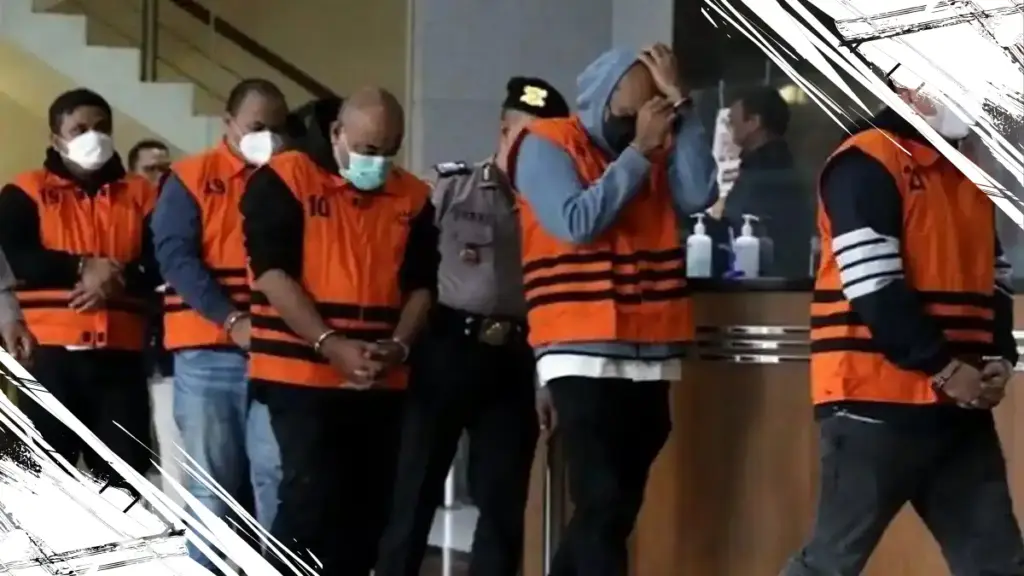
KPK arrested Abdul Wahid through an operation whose findings were immediately broadcast to the public. Investigators also secured evidence of illicit transactions totaling over four billion rupiah connected to project fees within the Dinas PUPR PKPP Riau. These fees, described internally as “jatah preman”, became a key link in exposing how systemized corruption operated at various governmental levels. The case also involved the agency’s head, M Arief Setiawan, and the governor’s personal expert staff.
According to KPK Deputy Chair Johanis Tanak, a special code "7 batang" was used among the officials. This signified a fee agreement of five percent—roughly seven billion rupiah—out of a notable budget increase for infrastructure works. If anyone within the bureaucracy refused to comply, there were clear threats of job removal or forced transfers, further highlighting the entrenched nature of the corruption scheme. Enforcement in Riau also notably resulted in not only the governor’s arrest but also the detention of key department heads and technical staff, bringing a wide range of actors under investigation.
North Sumatra: No High-Profile Accountability
In contrast, the North Sumatra political climate remains unchanged at the highest level. Despite public complaints and speculation about irregularities, Governor Bobby Nasution has not become a KPK target so far. Local political analysts and activists argue that there are challenges in uncovering evidence or perhaps deeper complexities involving party networks and national interests.
No official KPK statement has directly pointed to Bobby Nasution as a suspect or subject of examination, and large-scale raids or operations like those in Riau have not occurred in Sumut’s government offices. This raises questions about the consistency and effectiveness of anti-corruption enforcement across different jurisdictions in Indonesia. The contrasting outcomes between the two provinces thus feed speculation among the public regarding selective justice or political protection in high office.
Key Corruption Patterns: Comparison Table
| Aspect | Riau | North Sumatra |
|---|---|---|
| Governor Status | Named suspect, arrested by KPK | Not investigated |
| Key Officials Implicated | Department heads, governor’s aides | No high-level officials named |
| Modus | Project fee (2.5-5%) with threats | No exposed pattern |
| Enforcement Method | Sting operation, public evidence | No large-scale raid |
| Official KPK Statement | Detailed case explanation | No official disclosure |
Public Reaction and Potential Impact
The Riau case has energized discussions about bureaucratic reform and law enforcement in other provinces. Several anti-corruption experts believe that clear action against top officials, as seen in Riau, will boost public confidence in KPK’s mandate. However, the different approach in North Sumatra has prompted disappointment and calls for fairer and more exhaustive probes.
While the situation in Riau is a test case for KPK’s commitment to transparency and rule of law, pressure is mounting for similar scrutiny in North Sumatra. The two provinces now represent a stark example of uneven anti-corruption outcomes, revealing the challenges of pursuing justice where political influence might shield certain individuals.
Continuing developments in both regions will likely shape public trust in Indonesia’s anti-corruption movement, with communities and watchdog groups closely monitoring KPK’s willingness and capacity to act impartially at every government level.