


Indonesia’s electric vehicle (EV) market is experiencing a sharp shift as sales of BYD’s electric cars decline significantly. In the latest data, the wholesales of Battery Electric Vehicles (BEVs) dropped by over 36% compared to the previous month, signaling a cooling demand.
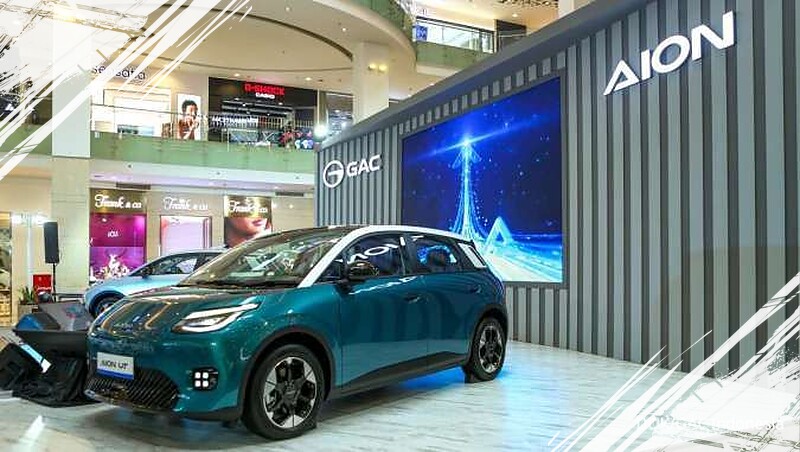
Wuling and Aion have emerged as the new market leaders with affordable electric models that appeal to Indonesian consumers. Wuling Binguo EV claimed the top spot with 561 units sold, closely followed by Aion V at 527 units.
BYD’s once leading M6 model has plunged to third place, with just 321 units sold—a nearly 77% drop from the prior month. Similarly, BYD’s Sealion 7 and Atto 3 models also experienced severe declines in sales by over 47%. The premium Denza D9 MPV dropped drastically to 227 units, down more than 70% against its usual monthly sales.
Newcomer VinFast is gradually making inroads into the local market with several models, including the VF 3, which sold 106 units. Although these numbers are still modest relative to the leaders, VinFast’s presence indicates increasing competition.
The data highlights the growing importance of pricing and dealer networks in shaping consumer choices in Indonesia’s EV segment. Wuling and Aion’s strategy of offering lower-priced vehicles with broader dealer coverage is proving effective against BYD’s more premium offerings.
Top 5 Electric Vehicle Sales in Indonesia:
- Wuling Binguo EV: 561 units
- Aion V: 527 units
- BYD M6: 321 units
- Chery J6: 308 units
- BYD Sealion 7: 297 units
As Indonesian EV buyers become more cost-conscious, manufacturers with competitive pricing and extensive dealer accessibility gain an advantage. BYD’s drop in market share reveals the challenges premium brands face in this environment.
Looking ahead, the Indonesian EV market is expected to become more diversified with more brands such as VinFast increasing their footprint by introducing affordable models. This will likely intensify competition and push automakers to improve cost efficiencies and expand dealer networks.
For consumers, the wider availability of budget-friendly EVs might accelerate electric vehicle adoption in the country. However, brands that fail to adapt their pricing strategy could lose more ground in the rapidly evolving market.