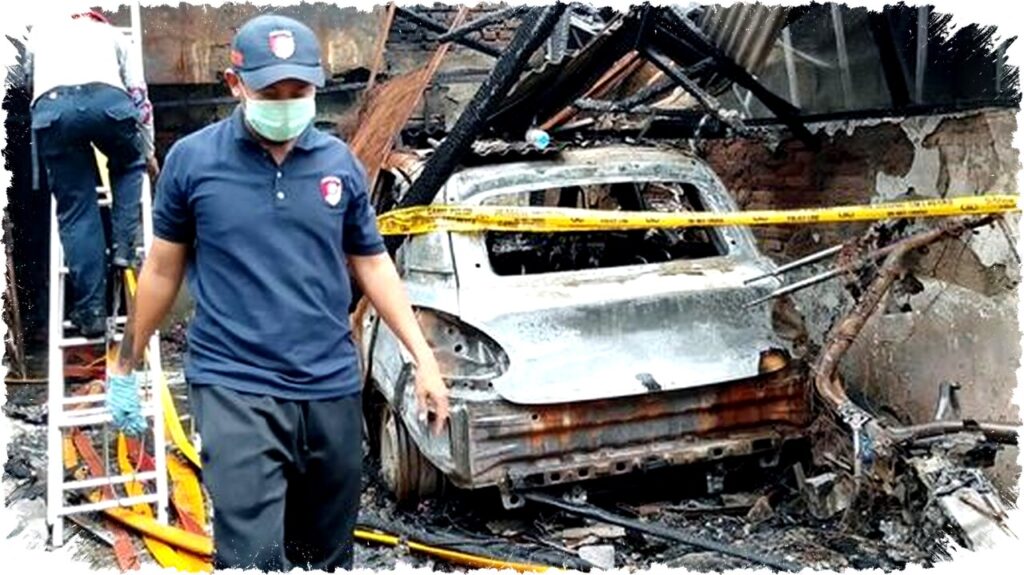
The National Transportation Safety Committee (KNKT) has identified electrical short circuits as the primary cause of electric vehicle (EV) fires in Indonesia. This conclusion stems from investigations into two recent incidents involving EVs, signaling the urgent need to enhance safety protocols amid the country’s rising adoption of electric cars.
KNKT Chairman Soerjanto emphasized that current emergency response teams lack the necessary skills to manage EV-specific hazards. “Emergency responders have not yet received the updated training required to handle the unique risks posed by electric vehicles,” he explained during a media briefing at the KNKT headquarters.
Urgent Need for Specialized Emergency Response Training
The committee strongly recommends that authorities and automakers work together to establish specialized training programs for emergency teams. These programs should focus on EV-related scenarios, particularly handling fires and accidents involving high-voltage battery systems.
Soerjanto urged automakers to provide comprehensive emergency guidelines alongside vehicle manuals. “Clear emergency response instructions must be available not just for consumers but also for government agencies and rescue personnel,” he stated.
Risks Linked to High-Voltage Exposure
One of the significant dangers identified by KNKT arises when accidents expose high-voltage cables within the vehicles. Such exposure endangers both passengers and rescuers, increasing the complexity of emergency interventions.
“In crash situations, exposed wiring can pose severe risks to those trapped inside as well as to first responders,” Soerjanto added. This highlights the importance of equipping emergency teams with proper personal protective equipment (PPE) designed for EV incidents.
KNKT Recommendations for Enhanced Safety Measures
To mitigate these risks, KNKT advises the following measures:
- Develop competency-based training for emergency responders focused on electric vehicle incidents.
- Equip rescue teams with specialized PPE suited for handling high-voltage electrical hazards.
- Mandate automakers to issue detailed emergency response instructions for quick and safe intervention.
- Increase public awareness regarding proper safety protocols when involved in or witnessing EV accidents.
These recommendations aim to improve the overall safety readiness as electric vehicles become more prominent on Indonesian roads. KNKT’s findings underline the necessity for a coordinated approach between manufacturers, government bodies, and emergency services.
As the country accelerates its transition to electric mobility, ensuring that all parties involved are informed and properly prepared can significantly reduce the risks associated with EV fires and accidents. The KNKT continues to monitor developments and is expected to update safety standards accordingly.