


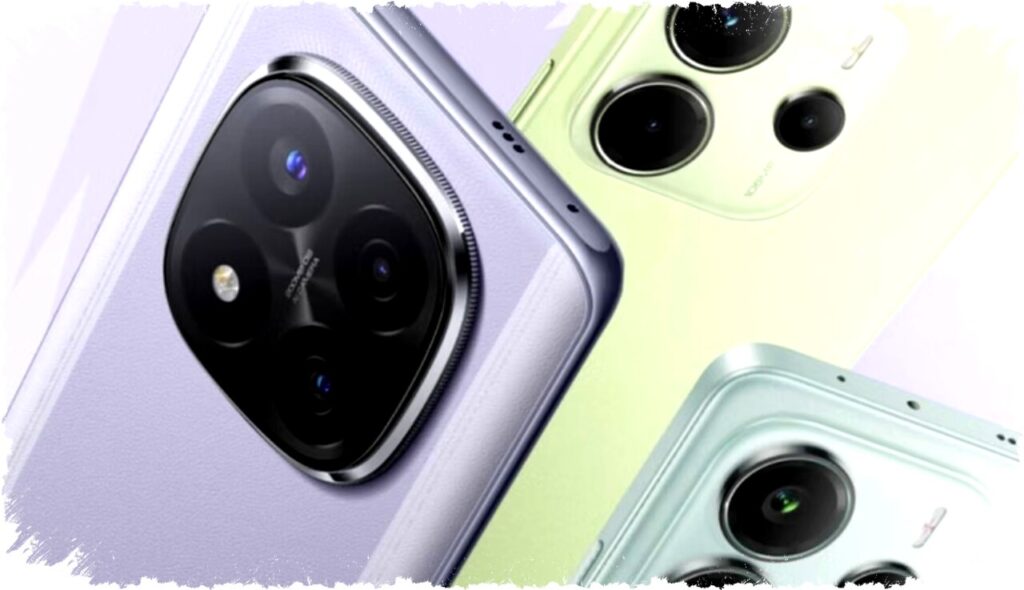
Xiaomi and POCO continue to dominate the Indonesian smartphone market in early 2026 by offering a comprehensive range of devices. Their portfolios span from affordable entry-level phones priced around $70 to premium flagship models exceeding $700. This extensive lineup caters to diverse consumer needs, from basic daily use to high-performance gaming and professional photography.
Both brands prioritize value for money, consistently updating their models to integrate the latest technology while maintaining competitive prices. This strategy keeps them popular among various segments, including students, tech enthusiasts, and professionals seeking reliable devices without breaking the bank.
Affordable Options: Entry-Level Smartphones Around $70
For those on a tight budget or seeking a secondary phone, Xiaomi’s Redmi A Series and POCO’s C series offer excellent entry points. POCO C71, for instance, is priced near $70 and features a large battery and screen suitable for social media and light gaming. The POCO C75 and C85 models provide incremental upgrades with better memory and performance within the $100–$130 range.
Similarly, Xiaomi’s Redmi 15C starts at around $110 and targets users with basic needs. These phones prioritize battery capacity and screen size, ensuring a smooth experience for everyday activities like streaming, messaging, and browsing.
Mid-Range Segment: Balancing Performance and Price
The mid-range category, spanning roughly $140 to $350, is the most competitive and popular segment. POCO’s M6, M7, and X7 series deliver features such as AMOLED displays, higher refresh rates, fast charging, and enhanced cameras. For example, POCO X7 Pro offers a high-end chipset and large battery at around $270 to $360, making it an attractive choice for gamers and multimedia users.
Xiaomi complements this range with its Redmi Note and Number series. These models upgrade camera capabilities and provide more stable performance, supporting casual gaming and multitasking without lag. This segment suits users who want a balanced smartphone experience without the premium price tag.
Flagship Models: High-End Performance Over $350
For consumers focused on peak performance and premium build quality, both POCO and Xiaomi present flagship options starting from approximately $350 and up to $770. POCO’s F7 series, including the F7 Ultra variant, uses the latest flagship processors, AMOLED high-resolution displays, and flagship-level cameras, bringing top-tier features at relatively affordable prices.
Xiaomi’s flagship number series is aimed at photography enthusiasts and professionals demanding the best. These models emphasize cutting-edge camera technology, premium materials, and robust performance, competing with other global flagship brands.
Key Differentiators Between Xiaomi and POCO
Choosing between Xiaomi and POCO depends on user priorities. Xiaomi typically excels in camera quality, software stability, and premium build. This makes its phones preferable for users who prioritize photography and a polished user interface.
POCO, on the other hand, focuses on delivering high gaming performance and maximum specifications for the price. It offers flagship-grade chipsets at mid-range prices and is often favored by mobile gamers and performance enthusiasts. POCO’s aggressive pricing strategy appeals to consumers valuing raw performance over premium design.
Emerging Trends for Smartphones in 2026
Both brands increasingly equip their phones with larger batteries, commonly ranging from 6000 to 6500 mAh, paired with fast charging technology. Artificial intelligence (AI) is another growing trend, enhancing camera functionality and productivity tools across devices.
The performance gap between mid-range and flagship phones is narrowing. New chipsets allow mid-range devices to handle heavy gaming and multitasking more efficiently. POCO, in particular, pushes this boundary by bringing near-flagship computing power into affordable price segments.
Practical Tips for Choosing Xiaomi or POCO Phones
-
Set the budget range:
- $70–$140: Entry-level suitable for light daily use.
- $140–$280: Mid-range offering the best value and balanced features.
- Above $280: Flagship or gaming-focused high performance.
-
Determine primary use:
- Gaming: POCO F and X series offer powerful chipsets.
- Photography: Xiaomi’s Redmi Note and flagship series capitalize on superior camera technology.
- Daily tasks: Entry-level Redmi or POCO C series excel in basic functionality.
- Monitor pricing changes due to monthly promotions, inventory shifts, and new releases. Prices can vary, making timing an essential factor for maximizing value.
Price Overview Table of Selected Xiaomi and POCO Models
| Segment | Model | Approximate Price ($) | Key Features |
|---|---|---|---|
| Entry-Level | POCO C71 4/128GB | 70 | Large battery, adequate for daily |
| Xiaomi Redmi 15C | 110–130 | Basic use, good battery life | |
| Mid-Range | POCO M7 Pro 5G 8/256GB | 180 | AMOLED, gaming chipset |
| Xiaomi Redmi Note Series | 160–280 | Camera improvements, stable UI | |
| Flagship | POCO F7 Ultra 16/512GB | 770 | Flagship chipset, premium display |
| Xiaomi 15 Series | 650+ | Premium build, flagship camera |
Xiaomi and POCO’s broad spectrum of products meets various consumer niches, sustaining their status as dominant players in Indonesia’s smartphone market. Their continual product refreshes and technology adoption ensure relevance across user groups, from budget buyers to tech aficionados seeking advanced flagship experiences.