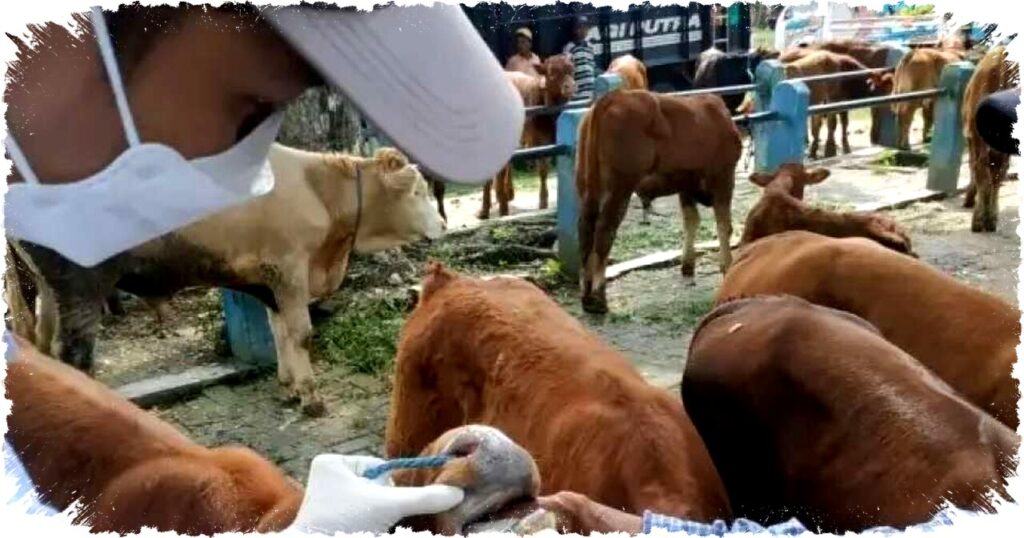
The Foot and Mouth Disease (FMD) outbreak has resurfaced in Bojonegoro Regency, East Java, impacting the local cattle population significantly. As of early February, veterinary authorities have confirmed that 86 cows have been infected, with six fatalities reported due to the disease. This recent spike demands urgent attention to curb further spread and minimize economic losses for local farmers.
Reports from the Bojonegoro Department of Animal Husbandry and Fisheries highlight a rapid increase in infection cases. On February 2nd, the number of infected cattle was recorded at 60, which escalated to 86 within just two days. Meanwhile, deaths among infected animals rose from two at the end of January to six at the start of February. These figures showcase the highly contagious nature of Foot and Mouth Disease and the challenge of controlling its transmission.
Intensive Monitoring and Data Updates
Drh Lutfi Nurrahman, Head of Animal Health Division at the Bojonegoro Livestock Department, expressed ongoing efforts to monitor the situation closely. The department is continuously updating infection data to provide more precise mapping of the disease’s spread across the regency. This real-time data gathering is critical for implementing timely interventions and allocating resources effectively.
Preventive and Curative Measures
To tackle the outbreak, authorities have initiated a comprehensive response combining both preventive and curative strategies. These include early detection through clinical inspections of cattle showing FMD symptoms such as mouth and hoof blisters, fever, and excessive salivation. Epidemiological investigations are being conducted to identify the infection sources and transmission pathways. Such data will guide targeted containment measures.
Additionally, the department conducts population surveys to identify vulnerable livestock across the region. Enhanced surveillance is also in place at checkpoint areas to regulate the movement of animals entering Bojonegoro, aiming to prevent new infections from outside sources.
Key Steps Taken by Authorities
- Field monitoring and early detection in high-risk zones
- Clinical examination of symptomatic animals
- Epidemiological investigations to trace infection chains
- Livestock population data collection and risk mapping
- Strict monitoring of animal mobility across district borders
These proactive steps are designed to limit disease transmission and mitigate its impact on the farming community.
Implications for Local Farmers
The recurrence of FMD serves as a critical reminder for farmers in Bojonegoro to maintain strict vigilance. It is essential to report any suspicious symptoms in cattle promptly to veterinary authorities. Early reporting can facilitate swift quarantine and treatment measures, reducing the chance of large-scale outbreaks.
The local government reassures residents that comprehensive strategies are underway to manage the outbreak, aiming to stabilize livestock health and farmers’ livelihoods. They emphasize the importance of cooperation between the community and health officials in these efforts.
Understanding Foot and Mouth Disease
FMD is a highly contagious viral disease affecting cloven-hoofed animals such as cattle, sheep, and goats. The virus spreads rapidly through direct contact, aerosols, and contaminated materials, posing significant risks to animal health and agricultural economies. Symptoms include:
- Vesicular lesions and blisters on the mouth, tongue, and hooves
- High fever and lethargy
- Excessive salivation and lameness
Without timely intervention, FMD can lead to high morbidity and mortality, causing major disruptions in meat and dairy production.
Preventing Future Outbreaks
Controlling FMD requires a multi-faceted approach that involves:
- Continuous surveillance and rapid diagnosis
- Vaccination programs where applicable
- Regulated movement of livestock to avoid cross-region infection
- Farmer education and compliance with biosecurity protocols
Authorities in Bojonegoro are actively promoting these measures, aiming to strengthen resilience against future outbreaks.
Ongoing Surveillance and Community Role
The Bojonegoro Department of Animal Husbandry urges farmers to remain alert and collaborate with veterinary services. Prompt notification of symptoms enables quick containment actions. Continued surveillance will track the situation’s development and inform adaptive management.
With coordinated efforts between government bodies and local stakeholders, it is possible to reduce the spread of Foot and Mouth Disease and protect the health of cattle herds in Bojonegoro. The economic stability of the region’s livestock sector depends on sustained vigilance and effective disease control strategies.