


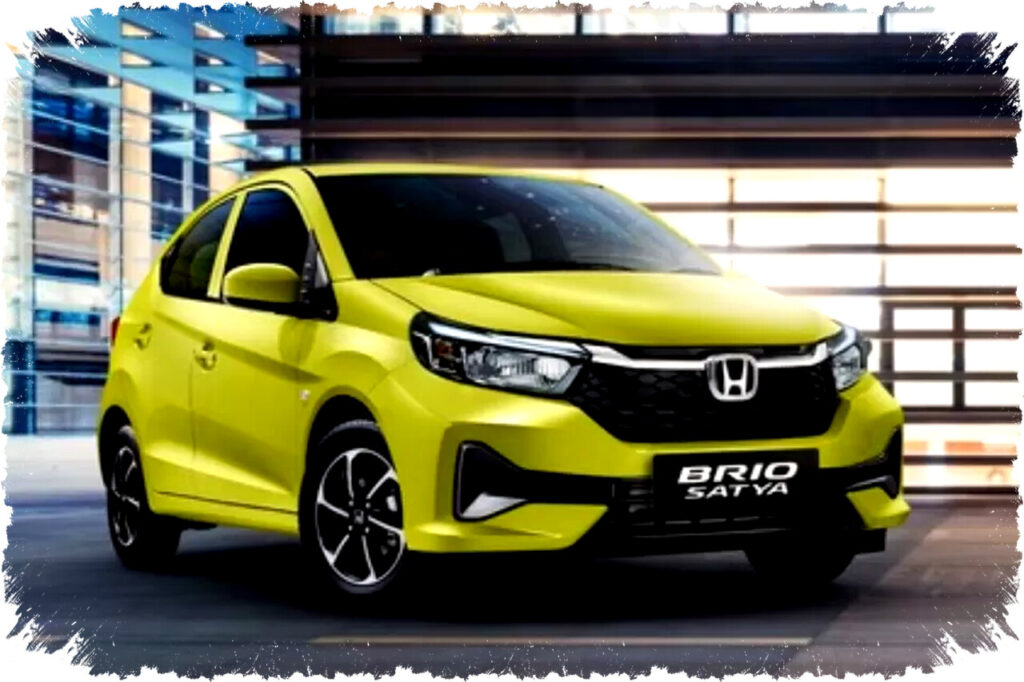
Compact, fuel-efficient, and affordable non-electric cars remain highly favored for urban daily driving in 2026. They offer practicality without the higher price tags or charging constraints associated with electric vehicles.
Several manufacturers provide city cars and hatchbacks that balance fuel economy, decent safety features, and agile handling. The following are top recommended small non-electric cars for budget-conscious consumers, optimized for everyday use.
1. Honda Brio 1.2 E Manual
This model continues to be a leading choice in the small car segment. It features a 1.2-liter i-VTEC engine paired with a responsive manual transmission. The powertrain delivers 90 PS at 6,000 rpm and 110 Nm torque at 4,800 rpm, ideal for urban traffic conditions.
Equipped with dual airbags and ABS with EBD, the Brio ensures basic safety standards. Comfort and convenience include 14-inch alloy wheels, a touchscreen head unit, and digital air conditioning, enhancing driver and passenger experience. The price range is approximately $12,100 to $12,300, making it an accessible option.
2. Toyota Agya 1.2L G CVT
Toyota’s Agya focuses on combining performance stability with fuel-saving technology. It uses a 1.2-liter Dual VVT-i engine offering reliable output and improved fuel economy. The continuously variable transmission (CVT) provides smooth acceleration and ease in stop-and-go traffic.
This hatchback seats five and is well-equipped with essential features suitable for city navigation. Its affordability and efficiency position it as a strong candidate for those prioritizing budget and utility.
3. Daihatsu Ayla 1.2 R Deluxe CVT
The Ayla mirrors much of the Agya’s core attributes due to shared engineering. Its 1.2-liter engine and CVT system emphasize low fuel consumption figures, ideal for daily commuting. Compact dimensions allow for easy maneuvering in tight urban spaces.
Standard safety includes airbags and anti-lock braking systems, aligning with current regulatory requirements. Priced competitively around $10,000, it offers incredible value for entry-level buyers.
4. Suzuki Ignis 1.2 Manual
Suzuki’s Ignis combines a compact design with a spirited 1.2-liter engine suited for spirited city driving. Manual transmission variants appeal to drivers seeking more engagement and perceived control over fuel usage.
The Ignis incorporates safety features such as dual airbags, ABS, and electronic stability control in certain trims. Its raised stance improves visibility and ease of driving in congested environments.
5. Mitsubishi Mirage 1.2 GLX CVT
The Mirage is characterized by its compact size and lightweight chassis, contributing to remarkable fuel efficiency. Its 1.2-liter engine couples with a CVT for seamless power delivery and minimal fuel wastage.
Safety features include dual airbags and ABS as standard, with some trims equipped with additional driver assistance technologies. The styling is simple yet functional, catering to buyers prioritizing economy over flashiness.
Fuel Efficiency and Cost Considerations
Most of these recommended vehicles achieve fuel consumption rates averaging around 20 kilometers per liter in mixed urban and suburban conditions. Such efficiency is critical in reducing operational costs given fluctuating fuel prices.
Affordability remains a decisive factor, with prices under $13,000 for most models. This price bracket delivers accessibility to first-time buyers and those seeking economical secondary vehicles for family or personal use.
Safety and Comfort Features
Basic safety components such as dual front airbags and ABS with EBD are now standard across these non-electric small cars. Additional features like touchscreen infotainment systems, digital climate control, and alloy wheels contribute to enhanced user experience.
Manufacturers have improved ergonomics and cabin design to ensure comfort during peak traffic hours and longer trips. The compact exterior dimensions also favor easy parking and navigation on narrow roads.
Suitability for Urban Usage
These cars excel in city environments due to their nimble handling and sufficient power for daily demands. Their non-electric nature means no reliance on charging infrastructure, easing maintenance and fueling flexibility.
For metropolitan drivers, these vehicles strike an ideal balance between operational economy, driving pleasure, and safety, making them excellent options for 2026’s urban landscape.
Summary Table of Recommended Models
| Model | Engine (L) | Transmission | Power (PS) | Price Approx. ($) | Key Features |
|---|---|---|---|---|---|
| Honda Brio 1.2 E Manual | 1.2 | Manual | 90 | 12,100–12,300 | Dual airbags, ABS, touchscreen AC |
| Toyota Agya 1.2L G CVT | 1.2 | CVT | – | ~12,000 | Dual VVT-i, CVT, 5-seater |
| Daihatsu Ayla 1.2 R CVT | 1.2 | CVT | – | ~10,000 | Basic safety, compact size |
| Suzuki Ignis 1.2 Manual | 1.2 | Manual | – | ~11,000 | Stability control, raised stance |
| Mitsubishi Mirage 1.2 CVT | 1.2 | CVT | – | ~11,500 | Lightweight, efficient powertrain |
Each model listed provides a compelling blend of economy, practicality, and daily usability. Buyers looking for cost-effective, small vehicles will find these options well-suited for urban life and modest budgets.