


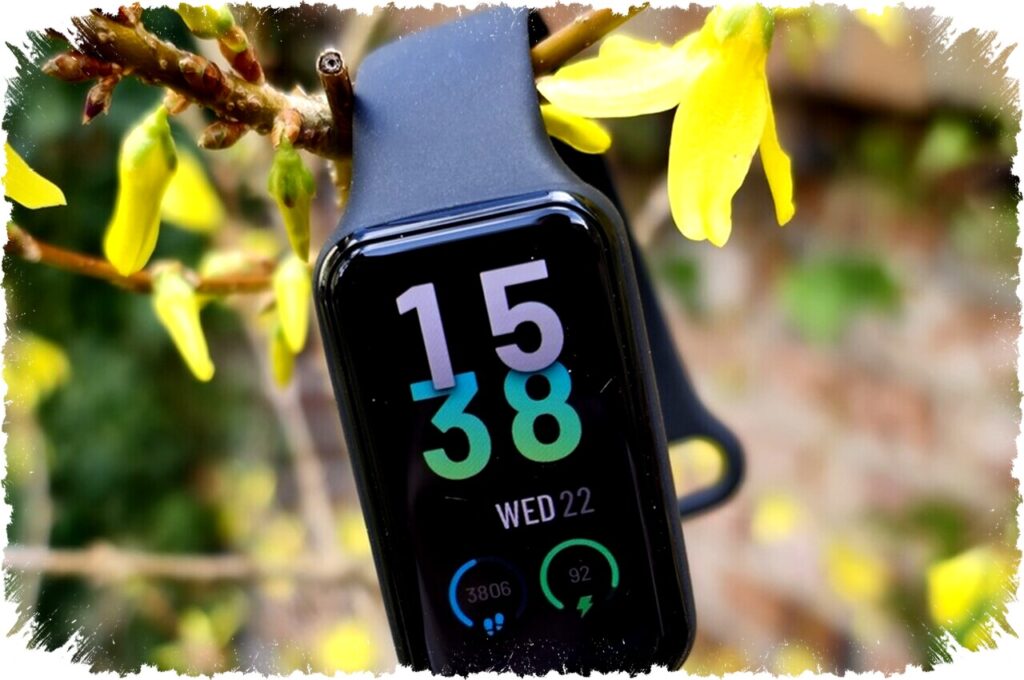
Smartbands in 2026 have evolved far beyond simple fitness trackers. They now feature large AMOLED displays, advanced health monitoring, and user interfaces that closely mimic those of smartwatches. This transformation allows users to enjoy comprehensive health data and smart functionalities while maintaining a lightweight and affordable device.
Leading in this trend is the Huawei Band 11 series, which offers a premium design with aluminum alloy frames and sharp AMOLED screens. These smartbands support detailed heart rate monitoring, SpO2 tracking, sleep analysis, and multiple workout modes. Huawei’s new UI enhances usability, making the Band 11 and 11 Pro appear more like traditional smartwatches while retaining excellent battery life.
Xiaomi Smart Band 8 and 9 further push the boundaries with AMOLED displays ranging from 1.47 to 1.62 inches and high refresh rates for smooth visuals. Both models boast over 150 sports modes, making them versatile fitness companions. The extensive range of interchangeable straps adds customization appeal, combining style and function at a competitive price point.
Samsung’s Galaxy Fit 3 offers a sleek, slim design housing a 1.1-inch AMOLED screen. It smoothly integrates with the Samsung Galaxy ecosystem, elevating the user experience within connected devices. Key features include continuous heart rate measurement, oxygen saturation tracking, sleep monitoring, and an impressive 13-day battery life, enhancing its practicality for daily use.
Amazfit Band 7 stands out with its minimalist design and generous screen size that supports numerous customizable watch faces. Its 24-hour health tracking complements a suite of sport modes, ensuring comprehensive fitness support. The band balances simplicity and functionality, appealing to users who seek ease of use alongside smart features.
The Oppo Band 2 impresses with a bright 1.57-inch AMOLED display that maintains clarity even under direct sunlight, thanks to a peak brightness of 500 nits. Its more squared design brings it closer to a smartwatch aesthetic. Health monitoring capabilities cover continuous heart rate and blood oxygen levels, delivering essential information for everyday well-being.
Comparison of Top Smartbands with Smartwatch Features in 2026
| Model | Screen Size | Display Type | Battery Life (Days) | Key Features | Design Highlights | Price Positioning |
|---|---|---|---|---|---|---|
| Huawei Band 11/11 Pro | Large (exact size varies) | AMOLED | Long-lasting | Heart rate, SpO2, sleep, multi-sport modes | Aluminum alloy (premium feel) | Mid-range |
| Xiaomi Smart Band 8/9 | 1.47 – 1.62 inch | AMOLED | Moderate | 150+ sport modes, customizable straps | Colorful straps, high refresh rate | Affordable |
| Samsung Galaxy Fit 3 | 1.1 inch | AMOLED | Up to 13 | Heart rate, SpO2, sleep, ecosystem integration | Slim and elegant | Mid-range |
| Amazfit Band 7 | Large screen | AMOLED | Extended | 24-hour health tracking, diverse watch faces | Minimalist design | Budget to mid-range |
| Oppo Band 2 | 1.57 inch | AMOLED | Long-lasting | Heart rate, SpO2, bright display | Squared shape, clear sunlight visibility | Mid-range |
Smartbands with expanded screens enable more detailed notifications and richer interfaces. This allows users to access health metrics and smart functions easily without the bulk of traditional smartwatches. Moreover, battery life improvements mean these bands typically last from 10 to 14 days per charge, greatly enhancing convenience.
The combination of smartwatch-like features, slim form factor, and affordability makes these smartbands attractive options for users who want comprehensive fitness and health tools without the weight and cost of full-featured smartwatches. Their refined designs and diverse capabilities reflect current consumer preferences for wearable tech that supports an active, connected lifestyle seamlessly.
In sum, smartbands in 2026 are positioned as ideal hybrid devices. They merge the best features of fitness trackers and smartwatches, offering vibrant displays, extensive health insights, and practical battery endurance. This trend demonstrates how innovation in wearable technology continuously adapts to user demands for practicality and sophistication in health management and connectivity.