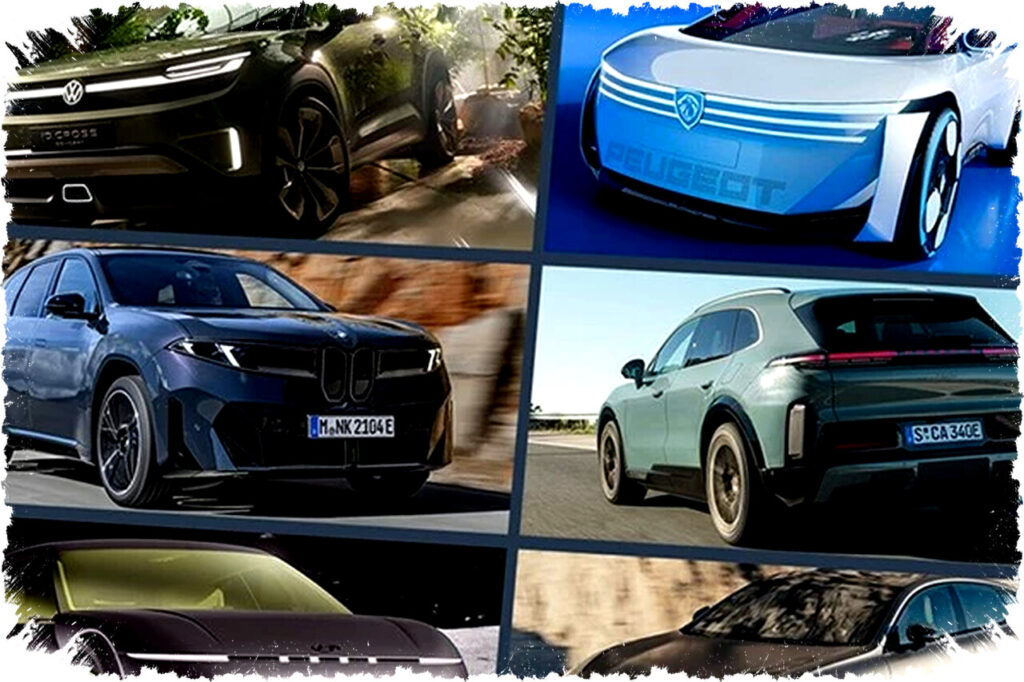
Electric vehicles are becoming more accessible, and 2026 offers a strong lineup worth exploring. For buyers focusing on reliability and advanced features, Consumer Reports provides data-driven recommendations that highlight the best electric cars across several categories.
Here are some top electric vehicle models that stand out for the upcoming year, based on extensive survey data and expert reviews.
Best Standard Sedans
In the standard sedan category, the Hyundai Ioniq 6 and Tesla Model 3 lead the list. The Ioniq 6 impresses with its quiet, smooth ride and engaging performance. Yet, it has a smaller trunk and a design that may divide opinions. On the other hand, the Tesla Model 3 features a more conventional styling and benefits from Tesla’s Supercharger network, enhancing long-distance travel convenience. However, it lacks Apple CarPlay and Android Auto integration and has been criticized for its control system, especially the turn signal operation.
Top Luxury Sedans
For those seeking luxury electric sedans, German automakers dominate recommendations. BMW offers two strong contenders: the i4 and the larger i5. The i4 resembles a 4-Series Gran Coupe with an electric drivetrain built on the 3-Series platform. It fares well overall but suffers from rear-seat crampedness. The i5, while more spacious, has faced criticism for its less appealing design. Despite some drawbacks in control systems, BMW’s electric sedans provide competitive options in the luxury segment.
Additionally, the Porsche Taycan remains notable. Early models lacked range compared to rivals, but recent updates have extended its driving distance to over 480 km in some versions. It delivers a driving experience that enthusiasts appreciate, though rear seat space is limited, which might impact passenger comfort on longer trips.
Best Mainstream SUVs
For mainstream electric SUVs, American brands stand out with three key models: Tesla Model Y, Ford Mustang Mach-E, and Chevrolet Equinox EV. The Mustang Mach-E combines striking design and solid performance, making it one of the best two-row electric SUVs available. Meanwhile, the Chevrolet Equinox EV offers a budget-friendly alternative, benefiting from General Motors’ experience from the Bolt. It supports the advanced Super Cruise driver assistance system but lacks perfect Apple CarPlay functionality.
Leading Luxury SUVs
In the luxury SUV class, BMW iX and Lexus RZ receive high marks. The Lexus RZ is more affordable yet shares many elements with the non-luxury Toyota bZ series. It provides a comfortable and quiet ride with nimble handling. Its range may be shorter than some competitors, particularly affecting those who drive long distances frequently. The traditional design will appeal to some buyers but may not suit everyone.
In contrast, the BMW iX was developed as a true luxury electric SUV from the ground up. It earned the highest luxury SUV rating from Consumer Reports. Nonetheless, its striking exterior design divides opinions, and the base models start at a premium price of around $76,600.
Electric Pickup Trucks
For buyers looking for an electric pickup, the Ford F-150 Lightning stands as the sole Consumer Reports recommendation. Although production of this model is nearing its end, it remains a compelling choice. Reviewers praise its comfortable ride, which surpasses the gasoline-powered F-150, while noting room for improvement in brake performance and infotainment systems. The Lightning retains a spacious interior and adds a practical front cargo area hidden under the hood. Its towing capacity reaches up to 4,535 kg, underlining its utility for heavy-duty applications.
Summary Table of Recommended 2026 Electric Models
| Category | Model | Key Strengths | Considerations | Approximate Starting Price (USD) |
|---|---|---|---|---|
| Standard Sedan | Hyundai Ioniq 6 | Quiet, smooth, fast | Small trunk, polarizing design | $42,000 |
| Tesla Model 3 | Good range, Supercharger access | No Apple CarPlay/Android Auto | $40,000 | |
| Luxury Sedan | BMW i4 | Electric 4-Series feel, performance | Rear seat space | $56,000 |
| BMW i5 | More spacious rear seats | Controversial styling | $70,000 | |
| Porsche Taycan | Driving dynamics, range improvements | Limited rear seat space | $87,000 | |
| Mainstream SUV | Tesla Model Y | Performance, Supercharger network | High price | $48,000 |
| Ford Mustang Mach-E | Attractive design, good driving | Mustang branding polarizes | $45,000 | |
| Chevrolet Equinox EV | Affordable, Super Cruise system | Limited Apple CarPlay support | $36,500 | |
| Luxury SUV | BMW iX | Highest luxury rating, technology | Controversial styling, pricey | $76,600 |
| Lexus RZ | Comfortable ride, more affordable | Range limitations | $58,000 | |
| Pickup Truck | Ford F-150 Lightning | Comfortable, spacious, good towing | Production ending soon | $47,000 |
The electric vehicle market is expanding rapidly with more options that suit various needs and budgets. Leveraging expert consumer data helps identify the most reliable and practical choices available for 2026. Buyers can benefit from models optimized for daily commuting, luxury driving, or heavy-duty use.
When selecting an electric vehicle, consider personal priorities such as driving range, interior space, technology features, and brand support infrastructure. Each of the vehicles listed offers distinct advantages and trade-offs, reflecting a maturing market that no longer presents Tesla as the sole choice.
For buyers prioritizing longevity, efficiency, and support, models like the Tesla Model 3 and Hyundai Ioniq 6 set strong standards in the sedan space. Luxury electric sedans and SUVs from BMW and Porsche deliver premium performance, while American SUVs and pickup trucks highlight versatility and practicality. The anticipated production end of the Ford F-150 Lightning may also influence pickup truck buyers to act quickly.
This variety marks 2026 as a great year to join the electric vehicle revolution with models that blend innovation, style, and proven reliability.