


Two-door refrigerators remain the top choice for households in 2026 seeking an efficient balance between storage capacity and energy consumption. These appliances run continuously, impacting electricity bills, so energy-saving features are a decisive factor for consumers. Modern two-door refrigerators separate the freezer from the cooling compartment, preserving food freshness while preventing odor transfer.
Recent advancements emphasize eco-friendly refrigerants and sophisticated cooling systems that reduce power consumption without compromising performance. According to consumer energy reports, refrigerators with inverter technology adapt power use to actual cooling needs, significantly lowering electricity costs. Choosing models with high-quality insulation materials also ensures internal temperature stability, enhancing efficiency.
Key Recommendations for Choosing Two-Door Refrigerators in 2026
- Prioritize models with official energy efficiency ratings to guarantee lower electricity consumption.
- Look for inverter technology that dynamically adjusts compressor speed for optimized performance.
- Evaluate insulation quality to minimize temperature fluctuations inside the compartments.
- Prefer refrigerators using environmentally safer refrigerants to reduce ecological impact.
Inefficient refrigerators can lead to high operational costs and environmental harm due to refrigerant leaks. Therefore, buyers should carefully evaluate product specifications and certifications before purchase.
**
Selecting high-quality wall paint remains essential for protecting and beautifying homes. Durable paint not only enhances visual appeal but also shields walls from environmental damage such as sun exposure, moisture, and mold growth. In tropical climates, demand has grown for paints that incorporate heat-reflective technology, helping reduce indoor temperatures and reliance on air conditioning.
Volatile Organic Compounds (VOC) in low-quality paints pose health risks and contribute to indoor air pollution. Choosing low-VOC or VOC-free formulations reduces these dangers and preserves better indoor air quality. Moreover, the paint’s resistance to mold and weathering ensures longevity and structural protection. Testing a small area before full application is a practical step to assess color durability and finish.
Tips for Choosing Optimal Wall Paints
- Check VOC content; select low or zero VOC paints for healthier environments.
- Opt for heat-resistant paints with proven solar reflectance properties.
- Ensure mold and moisture resistance to prolong wall lifespan and maintain aesthetics.
- Conduct a patch test before widespread application for color and finish evaluation.
Inadequate paint quality can cause premature wall deterioration and increased maintenance, creating unnecessary expense and discomfort for homeowners.
**
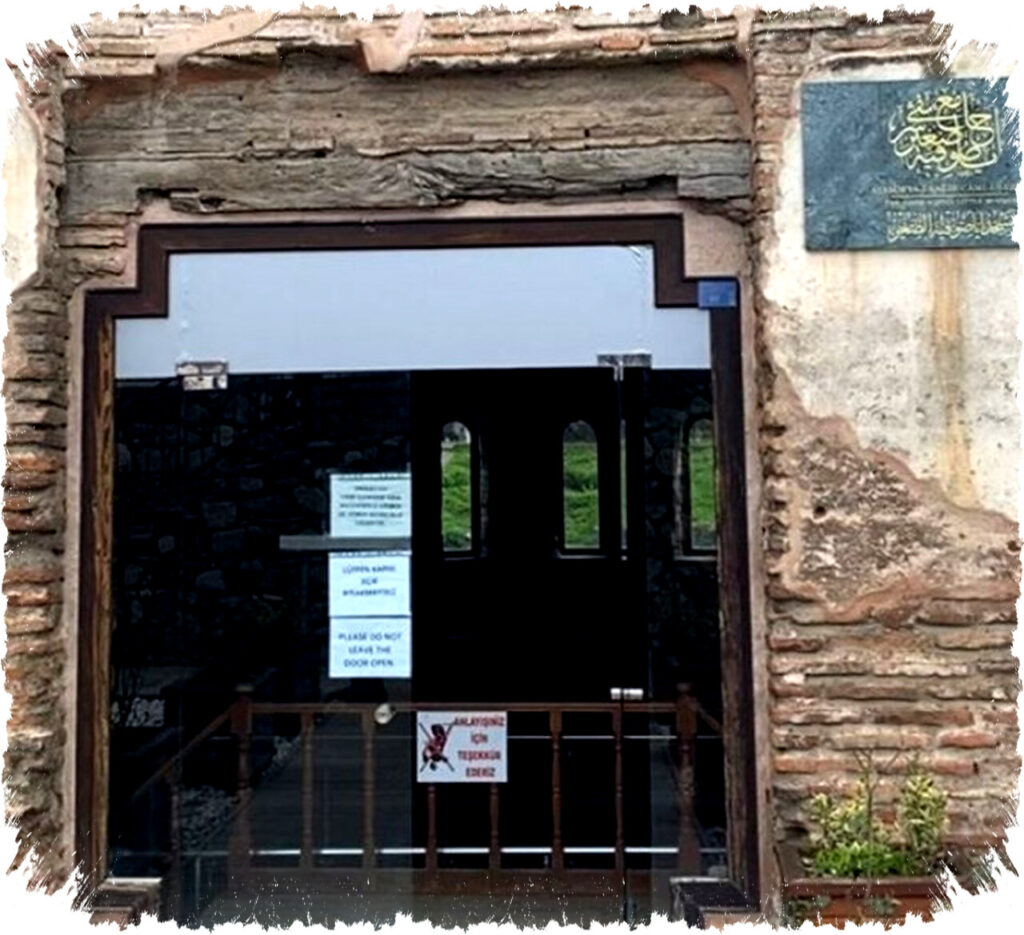
Historical architecture continues to captivate as a window into past civilizations and cultural intersections. The İznik Ayasofya Camii in Turkey exemplifies this blend of heritage, dating back roughly 1,500 years. Originally constructed as a Byzantine church, the building transitioned to an Ottoman mosque, served as a museum, and reverted to religious use. This reflects the evolving religious and cultural narrative of the region across centuries.
Architectural analysis reveals distinctive elements representative of Byzantine and Ottoman construction techniques and aesthetics. Preservation efforts are critical because aging materials face degradation from environmental exposure and time. Proper maintenance safeguards both the building’s structural integrity and its historical significance.
For history and architecture enthusiasts, visiting sites like İznik Ayasofya Camii offers unique insights into adaptive reuse and the layering of cultural identities within a single structure. Understanding such heritage sites deepens appreciation for global architectural evolution.
Considerations for Heritage Site Engagement
- Recognize the multifaceted history embedded in the site’s architectural elements.
- Support conservation programs aimed at mitigating environmental and structural damage.
- Approach visits with respect to the cultural and religious significance of the location.
- Use guided tours or educational materials to enrich contextual understanding.
This mosque’s story is a tangible example of how architecture serves as a living testament to historical transitions and intercultural dialogue over millennia.
In summary, practical choices such as selecting energy-efficient two-door refrigerators and durable, heat-resistant paints address modern household needs in 2026. Concurrently, appreciating historic sites like Turkey’s İznik Ayasofya Camii underlines the enduring value of cultural preservation. The convergence of contemporary living solutions with historical awareness exemplifies balanced progress across lifestyle and heritage dimensions.