


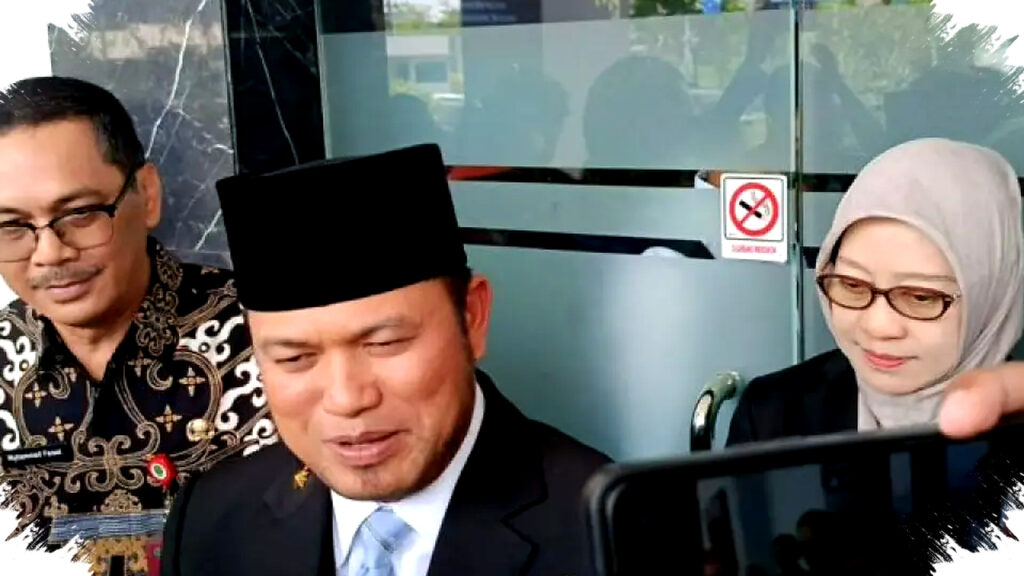
The East Kalimantan Provincial Government has completed the administrative process for returning a state official vehicle valued at approximately $563,000. This action comes amid heightened scrutiny following President Prabowo Subianto’s call for greater budget efficiency, especially concerning the procurement of luxury official vehicles.
Muhammad Faisal, Head of the East Kalimantan Communication and Information Office, confirmed that the procurement process was concluded administratively because the vehicle had never been used. He emphasized that although the contract price was around $563,000, only about $496,000 had been paid to the supplier. The remaining balance, nearly $66,000, represented taxes such as VAT and income tax, which have already been remitted to the state treasury.
Breakdown of Vehicle Procurement Costs
The total contract price included several components:
- Taxes (VAT and Income Tax)
- Transfer fees for vehicle registration
- Inter-island shipping costs
- Insurance fees
- Supplier’s margin
Faisal explained that the procurement was carried out through a direct appointment mechanism, justified by the fact that only one distributor existed for this specific vehicle model in Jakarta. This procurement method complied with procurement regulations and aimed at efficiency and transparency.
Coordination for Tax Refund Process
Following the cancellation of the vehicle purchase, East Kalimantan’s administration is coordinating with the Directorate General of Taxes to process a refund of the paid taxes. The tax refund process is estimated to take between two to three months. This coordination underscores the provincial government’s commitment to proper financial management and accountability.
Responding to Presidential Criticism
President Prabowo had recently criticized regional governments for spending exorbitant budgets on official vehicles, citing an example of a vehicle purchase costing up to Rp 8 billion (approximately $563,000). He compared this with the lower budget for his official vehicle, known as "Maung," implying a need to prioritize spending more prudently.
The president’s remarks reflect a broader national push to align regional government spending with essential public needs, shifting focus away from costly luxury items. Infrastructure development and basic public services, especially in rural areas, are prioritized under this directive from the central government.
Commitment to Budget Efficiency and Transparency
The decision by East Kalimantan’s government to halt the purchase and return the vehicle indicates alignment with the central government’s emphasis on budget discipline. Faisal stated that this move was a clear demonstration of their support for budget efficiency, reinforcing fiduciary responsibility in regional financial management.
East Kalimantan’s experience highlights the importance of assessing procurement needs against actual priority demands in the public sector. It also illustrates the balance between adhering to procurement rules and maintaining responsiveness to overarching government fiscal policies.
Key Points of East Kalimantan’s Vehicle Procurement and Return
| Aspect | Details |
|---|---|
| Vehicle cost | Approximately $563,000 (Rp 8.5 billion) |
| Payment to supplier | Around $496,000 (net after taxes) |
| Tax components | VAT and Income Tax, later subject to refund process |
| Procurement method | Direct appointment (single distributor in Jakarta) |
| Vehicle usage | Not used before return |
| Tax refund process | Estimated 2-3 months with Directorate General of Taxes |
| Government commitment | Transparency and budget efficiency |
This case serves as a practical example of how regional governments are responding to central government oversight related to public funds. It stresses transparency and fiscal prudence while addressing public criticism concerning luxury procurement in government agencies. The balancing act between meeting operational needs and controlling spending remains a relevant challenge across regional administrations in Indonesia.
East Kalimantan’s prompt response and cooperation with tax authorities represent proactive governance measures. The provincial government is expected to continue refining procurement policies and budget priorities to align better with government directives and public expectations for responsible fiscal management.