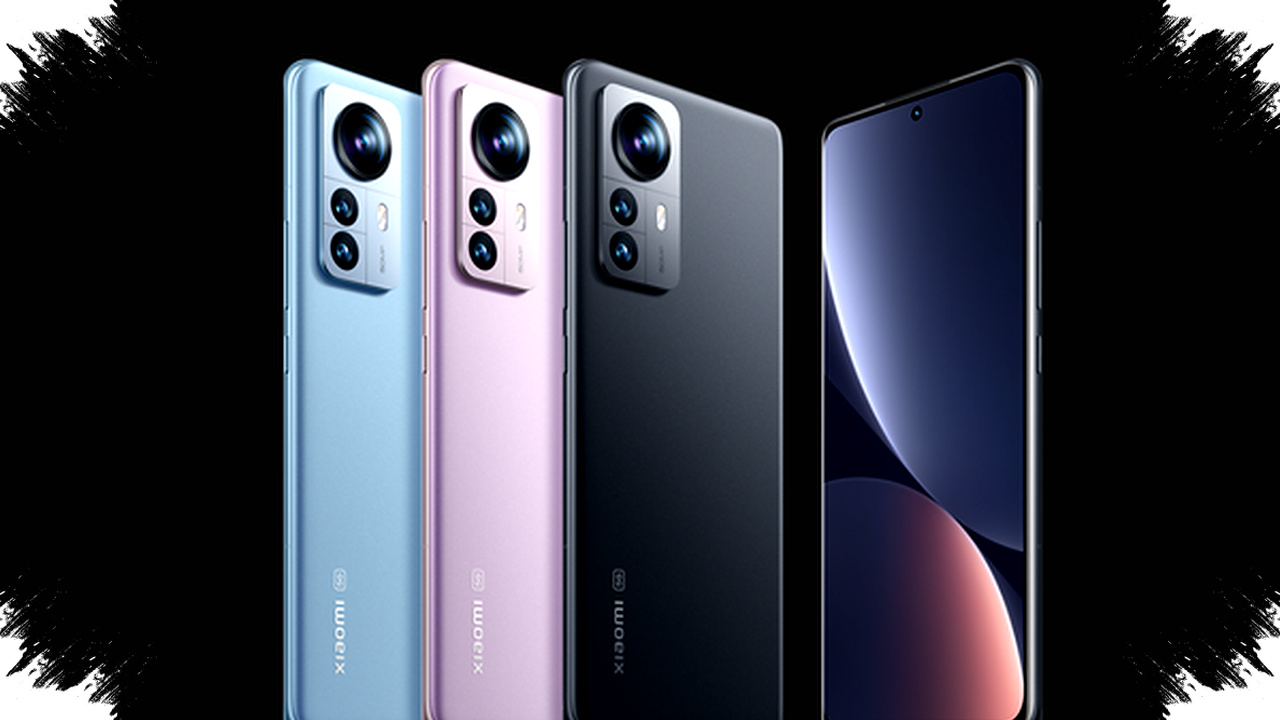
Xiaomi has officially listed several smartphone models that will no longer receive software updates. This status, known as End of Life (EOL), means these devices will stop getting new Android version upgrades, HyperOS interface updates, and security patches. As a result, users of these models should prepare for the limitations that come with discontinued support.
The primary models affected are from the Xiaomi 12 series. This lineup includes Xiaomi 12, Xiaomi 12 Pro, and Xiaomi 12 Lite, all of which were released in 2022. Xiaomi promised four years of software update support for these devices, which is now considered fulfilled as the company plans to end updates in 2026. In addition, the Redmi Note 12 5G has also been placed in the EOL list despite being relatively newer, having shipped with Android 12 and currently running Android 14 with HyperOS 2.0.
List of Xiaomi Smartphones That Will No Longer Receive Software Updates
- Xiaomi 12
- Xiaomi 12 Pro
- Xiaomi 12 Lite
- Redmi Note 12 5G
The decision to end updates for these devices aligns with Xiaomi’s update policy at the time. The firm initially guaranteed three years of OS upgrades and four years of security patches for many models. However, current Xiaomi smartphones have improved support with promises of updates extending up to five years, reflecting industry trends toward longer device lifecycles.
Latest Software Situation for Xiaomi 12 Series and Redmi Note 12 5G
Despite the EOL designation, Xiaomi 12 and Xiaomi 12 Pro still received the recent HyperOS 3.0 update based on Android 15. Meanwhile, the Xiaomi 12 Lite will only get the HyperOS 1.0 upgrade based on Android 14, marking its last major update. As for Redmi Note 12 5G, it is currently running Android 14 layered with HyperOS 2.0 but will not receive further system updates.
Implications of Ending Software Updates for Xiaomi Phones
Phones that reach the EOL phase will continue to operate for everyday tasks such as calling, texting, browsing social media, or playing games. However, the lack of security patches increases vulnerability to exploits and malware. Over time, this can jeopardize sensitive activities like mobile banking or using digital wallets, as these apps may restrict usage on devices lacking the latest security standards.
Users of Xiaomi devices that are no longer supported are therefore encouraged to consider upgrading their phones. If an immediate replacement is not possible, they should exercise caution when using apps that store personal or financial data and seek alternative security measures. The termination of updates essentially signals the end of the device’s optimal lifespan and security suitability.
Why Software Updates Matter for Smartphones
Regular software updates are crucial for maintaining device security, fixing bugs, and improving performance. They enable compatibility with the latest applications and services, as well as enhance user experience. For Android devices, updates include major system upgrades and incremental patches that protect against new cyber threats.
Xiaomi’s strategy of supporting devices for a predefined period balances resource allocation and user satisfaction. However, consumers should stay informed about update policies when purchasing smartphones to ensure longer-term support and better value for investment.
Noteworthy Trends in Xiaomi’s Update Policy
Xiaomi has shifted towards offering longer-term software maintenance with newer devices receiving up to five years of updates. This marks a significant improvement from previous standards, which focused mostly on three years of OS updates. The trend aligns with competitors’ practices and responds to growing consumer expectations for extended device longevity.
Nevertheless, the four-year support period for the Xiaomi 12 series remains reasonable considering the rapid advancement of Android features and security needs. Users of discontinued models should expect diminishing update availability as technology evolves.
Additional Considerations for Xiaomi Users
Some imported Xiaomi phones, particularly gray market units from China, have encountered booting problems after upgrading to HyperOS 3. This highlights the risks users may face when installing updates from unofficial sources or unsupported firmware versions. Sticking to official updates and manufacturer announcements reduces chances of malfunction or bricking devices.
Consumers planning to purchase a Xiaomi device should verify update support commitments and opt for models with longer update lifespans. This ensures better security, improved functionality, and prolonged usability before reaching the End of Life stage.
In conclusion, Xiaomi’s announcement of the End of Life status for several of its earlier models, especially those in the Xiaomi 12 series and Redmi Note 12 5G, serves as an important reminder for users about software update lifecycle. While these devices remain functional for general use, the absence of new software and security updates increases risks and limits access to the latest features. Staying informed and planning for upgrades are necessary steps for maintaining smartphone security in the evolving digital landscape.