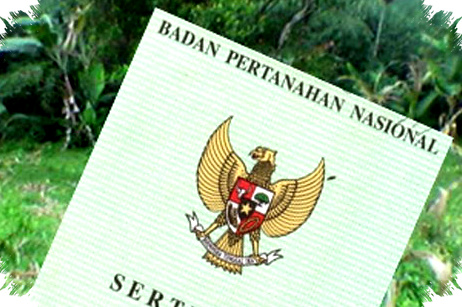
Understanding the costs involved in splitting land certificates and verifying the authenticity of land ownership documents is essential for landowners, buyers, and sellers alike. These processes ensure legal clarity and smooth property transactions while guarding against fraud. This article breaks down the estimated expenses for partitioning land certificates and provides a practical guide to checking the authenticity of freehold land certificates online.
Estimating the Cost of Splitting Land Certificates
Partitioning a land certificate, often required during inheritance, property sales, or asset division among family members, involves administrative procedures managed by the National Land Agency (BPN). The cost is not fixed and depends on several factors such as land size, number of parcels created, and geographic location.


Typically, the expense includes the following components:
- Administrative Fees to BPN: This fee covers the official services for processing the certificate split. It varies by region and complexity.
- Measurement and Mapping Costs: Surveyors may charge for measuring and mapping the subdivided plots.
- Legal and Notary Fees: If appointing legal consultants or notaries for the transaction, these fees should be anticipated.
- Taxes and Levies: Additional taxes applicable on land transfers or new registrations must be budgeted.
On average, the conversion of official fees based on local currency to approximately $50–$150 USD is expected, though this can increase substantially depending on parcel size and regional policies. It is advised to consult directly with the local BPN office or authorized agents to obtain precise and up-to-date cost estimates.
Step-by-Step Procedure for Land Certificate Partition
Completing a certificate split follows these basic stages:
- Submit an application to the National Land Agency.
- Conduct land measurement and survey.
- Wait for approval and issuance of new certificates.
- Pay related administrative and registration fees.
- Collect the newly issued certificates representing subdivided parcels.
Adhering closely to this process helps ensure legal compliance and prevents future disputes.
How to Check the Authenticity of SHM Online
The Freehold Land Certificate (Sertifikat Hak Milik or SHM) is a critical legal document confirming ownership rights. To avoid fraudulent land transactions, verifying the SHM’s legitimacy is paramount. Thanks to digital advancements, owners and prospective buyers can now conduct authenticity checks through official online platforms.
Official Verification Channels
The Ministry of Agrarian and Spatial Planning/National Land Agency (ATR/BPN) provides accessible online services to verify SHM status. These platforms allow users to:
- Confirm the certificate number and owner details.
- Check land status and encumbrances.
- Verify if the certificate is registered and valid.
Performing these checks helps mitigate the risk of purchasing land with fraudulent or disputed titles.
Simple Steps for Online SHM Verification
- Visit the official ATR/BPN online verification portal.
- Input the certificate number and other required land details.
- Review the returned data on ownership and certificate validity.
- Cross-check any discrepancies with local land offices if necessary.
This straightforward process enhances transparency and trust in property transactions by making essential information readily available.
The Importance of Due Diligence in Land Transactions
Both splitting land certificates and authenticating SHM documents play vital roles in safeguarding property rights. Investing in proper verification and understanding incurred costs can prevent costly legal conflicts and secure peaceful ownership.
Property owners are encouraged to proactively manage their certificates and utilize official digital tools for verification. This approach aligns with the growing trend toward modernization and transparency in real estate management, fostering a safer market environment for all parties involved.